
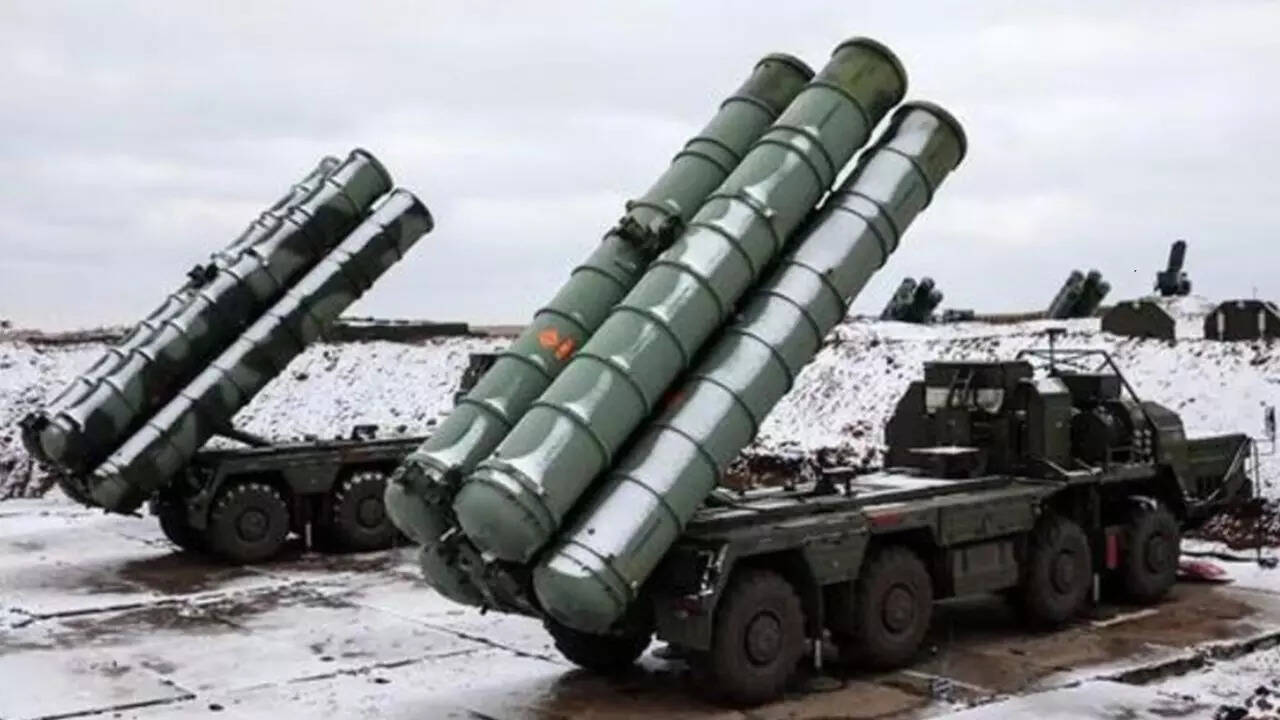

Led by Defence Secretary Rajesh Kumar Singh, the DPB approved the IAF proposal, which will now go to the DAC, chaired by Defence Minister Rajnath Singh, for the Acceptance of Necessity (AoN). Once AoN is granted, a cost negotiation committee will finalize pricing, after which the Cabinet Committee on Security (CCS) and the finance ministry will give the final green signal.
India currently operates three S-400 systems, with two more expected to be inducted this year. The S-400 system has demonstrated its operational value during past exercises, including Operation Sindoor, where it effectively neutralised adversary airborne threats and electronic intelligence assets.
Pantsir S-1 Acquisition to Complement S-400
The IAF and Indian Army have also proposed the purchase of 13 Russian Pantsir S-1 self-propelled missile systems. These are designed to counter medium-range surface-to-air missiles, short-range rockets, kamikaze drones, and loitering ammunition. Ten systems will be procured by the IAF to protect the S-400 batteries, while the army will operate three units to safeguard against threats along India’s borders.
The procurement strategy for Pantsir involves a combination of outright purchase under a fast-track route and eventual domestic production by private Indian firms to meet urgent operational needs.
Regional Threats and Defence Preparedness
Recent regional conflicts, including the Iran-US war and ongoing tensions in West Asia, have underscored the importance of advanced air defence systems. Proliferation of long-range Chinese missiles and the supply of low-cost kamikaze drones to countries like Pakistan, Iran, and Azerbaijan have created a pressing need for layered defence capabilities.
India’s 11,000-km coastline, coupled with threats from its western and northern borders, makes high-performance air defence systems vital for national security. The S-400 and Pantsir systems together will provide a multi-layered shield capable of intercepting ballistic missiles, drones, and airborne threats at varying ranges.
Domestic Industry Involvement
While the S-400 systems will be acquired outright, maintenance, overhaul, and repair work will be entrusted to Indian private sector players. For the Pantsir systems, local manufacturing under private sector partnerships is planned, highlighting India’s push for self-reliance in defence technology.
Looking Ahead
With these acquisitions, India aims to reinforce its deterrence posture and ensure strategic stability in a region increasingly dominated by missile and drone warfare.