
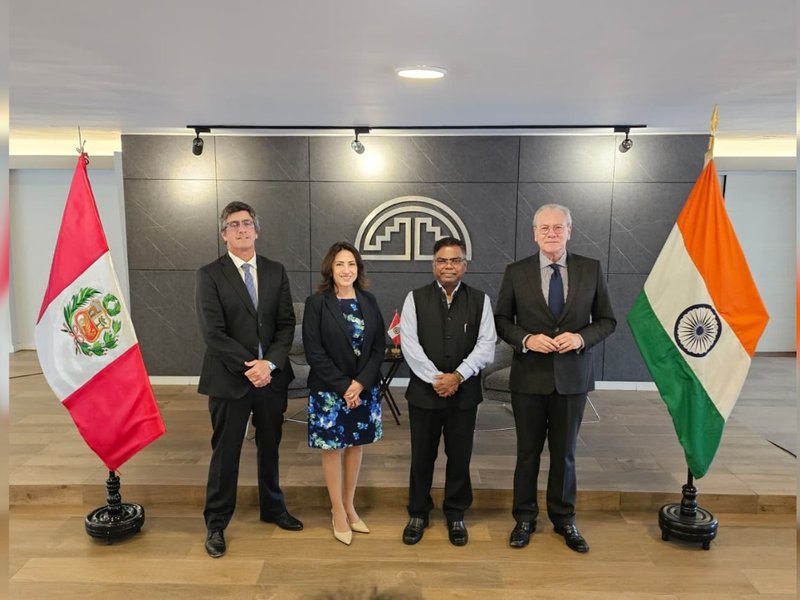

The 9th round of India–Peru Trade Agreement negotiations was held in Lima from November 3–5, 2025. Delegates covered a wide spectrum of chapters including Trade in Goods and Services, Rules of Origin, Technical Barriers to Trade, Customs Procedures, Dispute Settlement and provisions on Critical Minerals.
Peru’s Minister of Foreign Trade and Tourism, H.E. Teresa Stella Mera Gómez, joined senior officials at the closing ceremony. India’s delegation was led by Joint Secretary and Chief Negotiator Shri Vimal Anand, with Ambassador Vishvas Vidu Sapkal representing India on the ground in Lima. Both sides reported constructive discussions and agreed to intersessional meetings to resolve remaining issues ahead of a proposed next round in New Delhi in January 2026.
Chile talks build momentum for CEPA
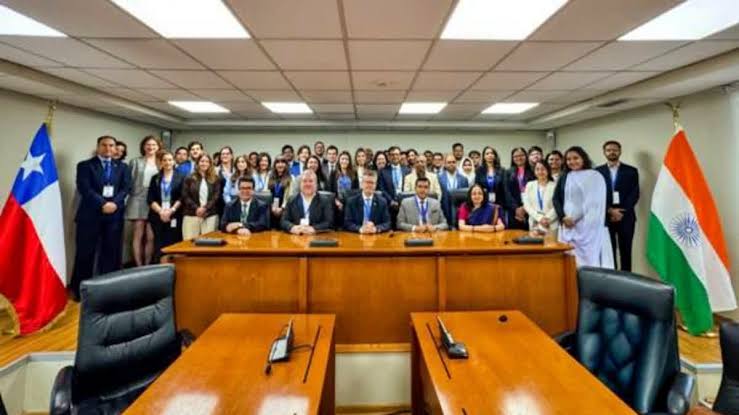
Earlier, the 3rd round of India–Chile CEPA negotiations took place in Santiago from October 27–30, 2025. Negotiators advanced talks on Trade in Goods and Services, Investment Promotion, Rules of Origin, Intellectual Property Rights and sanitary and phytosanitary (SPS) measures.
Officials said both India and Chile reaffirmed their commitment to a time-bound conclusion of CEPA talks, aimed at improving market access, strengthening supply-chain resilience and enhancing bilateral investment flows.
Why critical minerals matter
Critical minerals emerged as a recurring theme in both negotiation tracks. With rising global demand for minerals used in batteries, electronics and clean energy technologies, India seeks secure and diversified supply chains. Peru and Chile both mineral-rich economies are natural partners for cooperation in extraction, processing and value-added supply chains.
Delegations discussed investment safeguards, responsible mining practices, and mechanisms to encourage downstream industry linkages that can benefit manufacturers in India and Latin American partners alike.
Sectoral opportunities pharmaceuticals, textiles, food processing
Beyond minerals, negotiators highlighted complementary strengths across sectors. India pointed to opportunities in pharmaceuticals, speciality chemicals, textiles and food processing, while Peru and Chile underscored agricultural exports, fisheries and mining services as potential growth areas for bilateral trade and investment.
Officials said improved rules of origin, streamlined customs procedures and clearer technical standards would help MSMEs on both sides access new markets more effectively.
Next steps and diplomatic signal
Both negotiation teams agreed on follow-up intersessional meetings to narrow outstanding gaps. The Peru talks foresee a next round in New Delhi in January 2026; India–Chile negotiators aim to maintain momentum toward a mutually acceptable CEPA timeline.
Diplomats described the outcomes as a clear signal of India’s strategic push to diversify trade partnerships beyond traditional markets and to strengthen ties with Latin America through comprehensive, modern trade frameworks.
Implications for businesses and policy
For Indian exporters and investors, deeper engagement with Peru and Chile could open supply chains for raw materials and expand access for value-added Indian goods. Policymakers said progress on dispute settlement, customs facilitation and standards alignment would reduce friction and provide predictability for cross-border commerce.
Observers noted that successful agreements could also spur trilateral cooperation for example in critical minerals value chains and climate-resilient technologies benefiting broader Indo-Pacific and global supply networks.