
Launch of the Reference Material
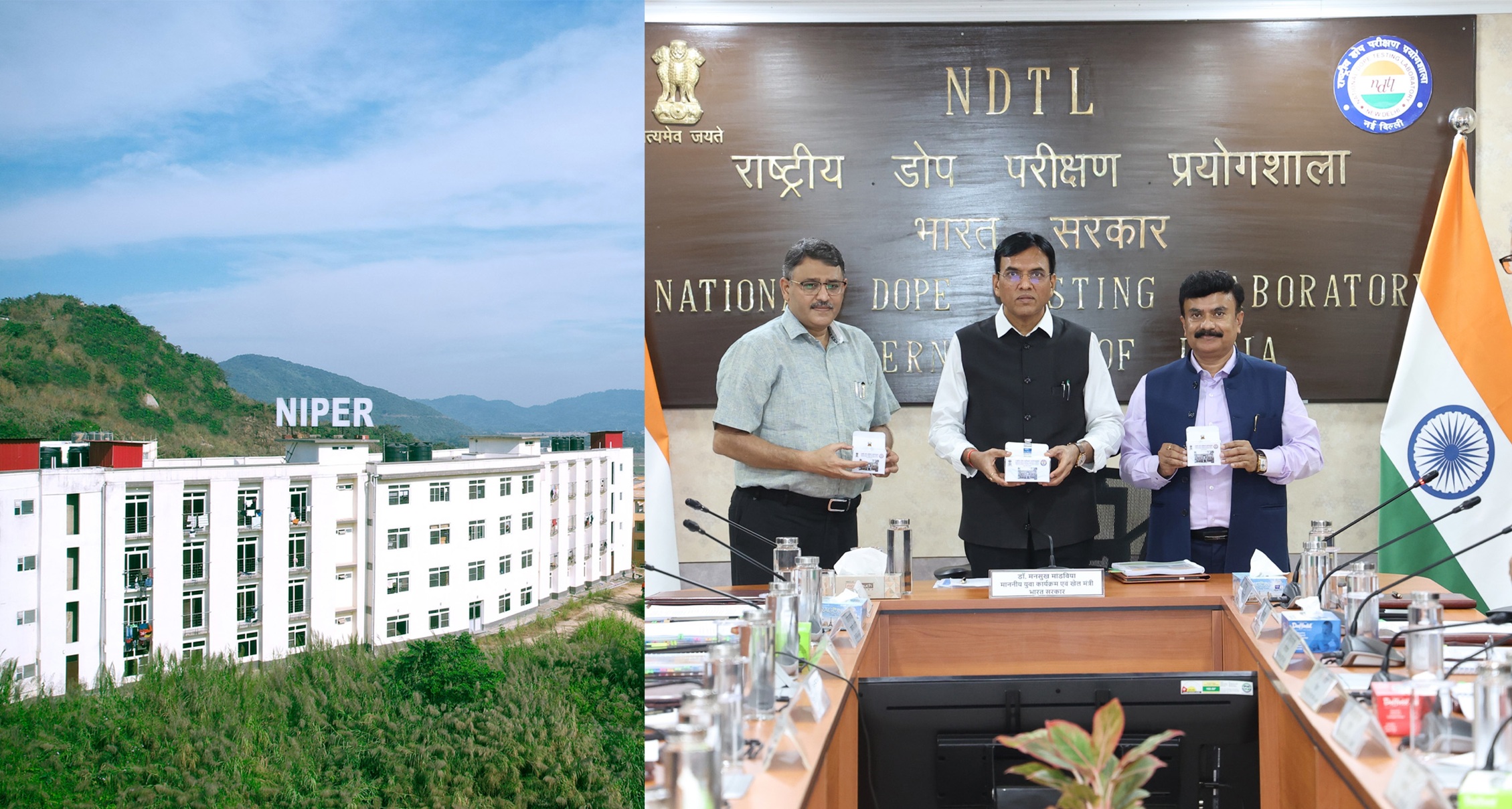
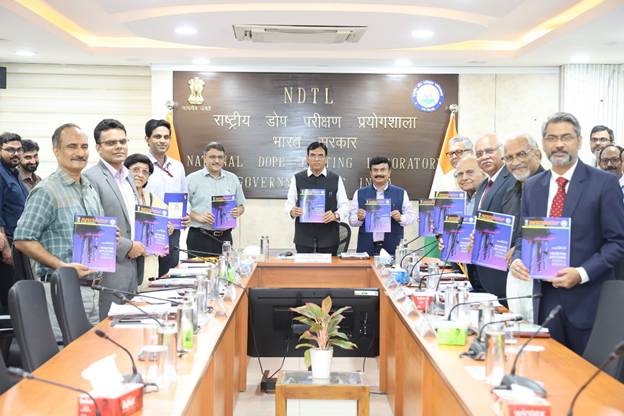
The new RM was formally launched in New Delhi by Union Minister for Youth Affairs & Sports and Labour & Employment, Dr. Mansukh Mandaviya, during the 22nd Governing Body Meeting of NDTL. Senior officials from the Ministry of Youth Affairs and Sports, the Department of Pharmaceuticals, and representatives of NIPER Guwahati and NDTL were present at the event.
Reference Materials are scientifically characterized and purified drug substances or metabolites, used globally for analytical testing. In anti-doping, they are essential to detect over 450 prohibited substances listed by the World Anti-Doping Agency (WADA).

Currently, only four to five institutions worldwide manufacture such highly specialized materials, making them both scarce and costly. Since 2020, NIPER Guwahati has synthesized 12 of the 22 targeted reference materials in collaboration with NDTL. The latest addition — Methandienone LTM — is not available commercially anywhere in the world.
Long-term metabolites are considered the most effective markers for detecting doping because they remain in urine for extended periods. This enables laboratories to catch athletes who may have stopped using banned substances months before testing, thus closing loopholes in anti-doping detection.
Protecting Clean Athletes
Methandienone is an anabolic steroid that has been misused by athletes to enhance performance. The newly developed Methandienone LTM will allow testing laboratories to identify its misuse more effectively, ensuring that clean athletes are protected. This development also acts as a deterrent for those considering the use of banned substances.
Officials confirmed that the reference material may be shared with all 30 WADA-accredited laboratories worldwide. By doing so, India is contributing directly to strengthening global anti-doping frameworks and promoting transparency in sports.
Global Recognition
This advancement positions India as a significant contributor to the global anti-doping community. By developing rare and critical reference materials, India not only addresses domestic needs but also helps reduce dependence on expensive international suppliers.
The initiative highlights India’s growing capabilities in pharmaceutical research and testing. It also aligns with the government’s vision of self-reliance in scientific innovation, while actively supporting international sports integrity efforts.