

High-Level Engagements in Moscow
During his visit, Shri Ajay Bhadoo met Mr. Andrei Slepnev, Minister in charge of Trade at the EEC. The discussions focused on the next steps for formally launching the negotiation process, including organizational and structural aspects of the future FTA.
The signing of the ToR was welcomed as an important achievement by both sides, setting the stage for what is expected to be a comprehensive and mutually beneficial trade pact.
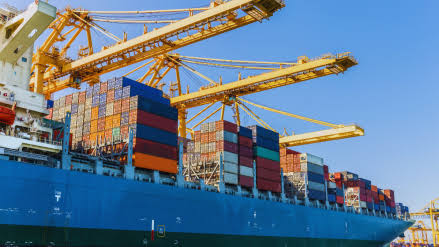

Bilateral trade between India and the EAEU has witnessed steady growth. In 2024, the trade turnover reached USD 69 billion, an increase of 7 percent compared to 2023. The numbers highlight the growing importance of Eurasia as a trade partner for India.
With a combined GDP of USD 6.5 trillion, the EAEU represents a vast market. The proposed FTA is expected to give Indian exporters enhanced access to this market while encouraging greater investment flows in both directions.
Opportunities for Indian MSMEs
According to India’s Commerce Ministry, the FTA will offer significant benefits to Micro, Small and Medium Enterprises (MSMEs). By reducing tariffs and streamlining regulations, smaller firms will find it easier to expand exports to Eurasian markets.
The deal is also expected to help Indian businesses diversify into new sectors, strengthen their competitiveness against non-market economies, and reduce overdependence on traditional export destinations.
Framework for Negotiations
The ToR signed in Moscow provides the guiding framework for formal negotiations. It aims to unlock untapped trade potential, boost bilateral investment, and establish a long-term institutional mechanism for cooperation between India and the EAEU.
Both sides reaffirmed their commitment to concluding the FTA at the earliest possible date. Officials emphasized that the agreement would be designed to promote inclusive growth and ensure sustainable economic partnerships.
Strengthening India–Eurasia Ties
The proposed FTA is seen as part of India’s broader strategy to strengthen its economic diplomacy and expand its footprint in emerging global markets. Beyond trade, the agreement is expected to deepen cooperation in areas such as technology, energy, pharmaceuticals, and infrastructure.
For the EAEU, the deal would provide access to India’s fast-growing consumer market, creating new opportunities for businesses across Eurasia. Analysts note that such partnerships will help both regions balance global trade dynamics while fostering regional stability.