 India’s Strong Position in Global Energy Trade
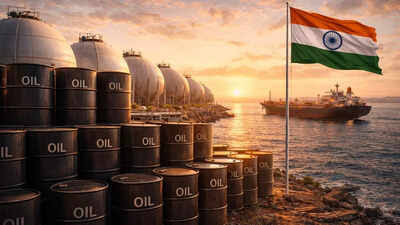
India today stands as the world’s third-largest importer of crude oil, the fourth-largest refiner, and the fifth-largest exporter of petroleum products. This strategic position in global energy trade has strengthened the country’s resilience against international supply shocks.
According to the Ministry of Petroleum and Natural Gas, inventories of crude oil and key petroleum products including petrol, diesel, and aviation turbine fuel (ATF) are sufficient to manage temporary disruptions arising from geopolitical tensions in the Middle East.
Diversified Crude Procurement Strategy
One of the most significant pillars of India’s energy security strategy has been diversification. Over the past few years, India has systematically expanded its crude oil sourcing network beyond traditional suppliers. This move has reduced overdependence on any single region.
Importantly, Indian energy companies now access supplies that do not transit through the Strait of Hormuz—a critical maritime chokepoint often vulnerable during regional conflicts. By securing cargoes via alternative routes and suppliers, India has created a buffer against potential disruptions in the Gulf region.
This diversified procurement strategy has ensured both availability and affordability of energy for domestic consumers, despite global price volatility. The government reiterated that safeguarding consumer interests remains its top priority.
24×7 Control Room Monitoring
To further strengthen oversight, the Ministry has set up a 24×7 Control Room to continuously monitor stock levels and supply positions of petroleum products across the country. This round-the-clock monitoring mechanism enables real-time assessment and quick response to any emerging challenge.
Officials indicated that the current stock position is “reasonably comfortable.” Should the situation escalate, the government is prepared to implement phased measures to mitigate risks and maintain uninterrupted supply.
Consumer Protection at the Core
The government’s approach combines supply security with price stability. By maintaining adequate reserves and broadening sourcing channels, policymakers aim to shield Indian consumers from sudden supply shocks or steep price fluctuations.
India’s expanding refining capacity also provides added flexibility. As one of the world’s largest refining hubs, the country is well-positioned not only to meet domestic demand but also to continue fulfilling export commitments, thereby reinforcing its credibility in global energy markets.
Cautious Optimism Amid Global Uncertainty
While geopolitical tensions in the Middle East continue to evolve, the government has expressed cautious optimism. Continuous monitoring, diversified sourcing, and adequate stockpiling form the backbone of India’s energy preparedness framework.
Energy experts note that India’s strategic planning over recent years has enhanced resilience against global disruptions. The current situation underscores the importance of long-term diversification policies and infrastructure investments.
As the global energy landscape remains uncertain, India’s message is clear: the country is alert, prepared, and committed to ensuring uninterrupted fuel supplies for its citizens and industries.