 New Skill Centre and Technology Incubator Launched
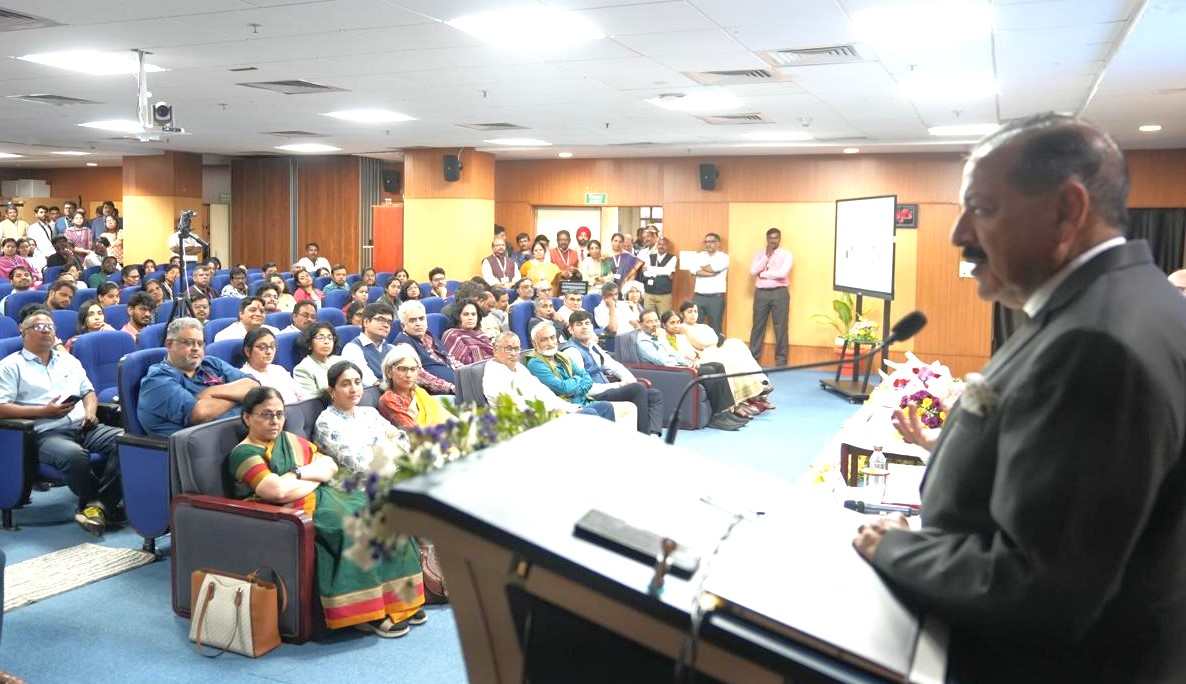
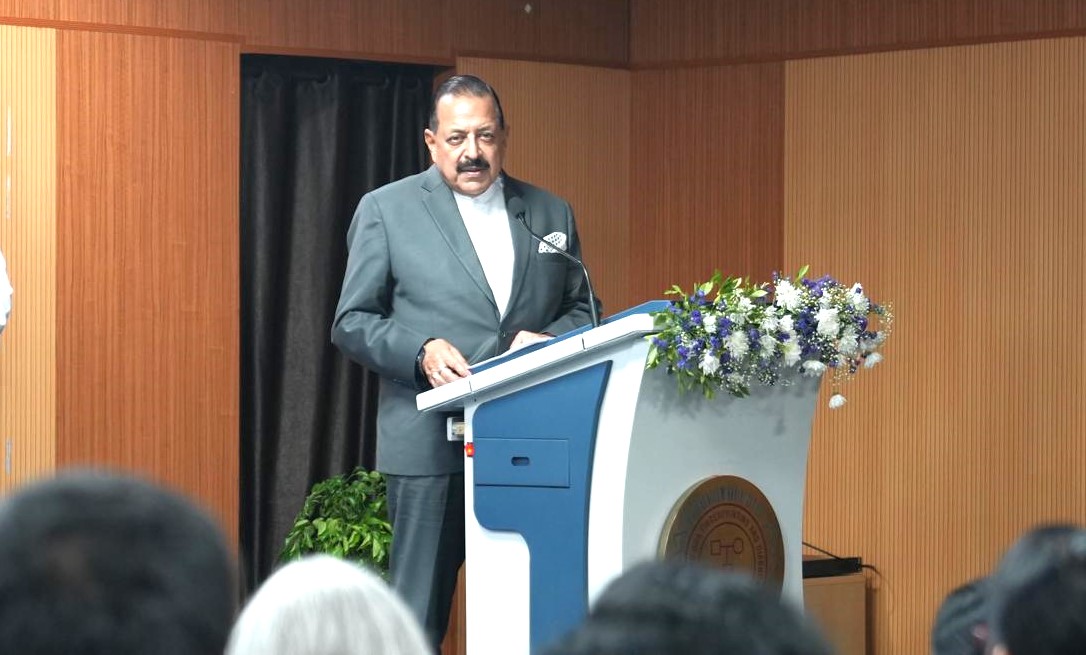
During the visit, Dr Jitendra Singh laid the foundation stone of the National Skill Development Centre, SAMARTH, and inaugurated the iDeA-NA BRIC-CDFD Technology Incubator. These initiatives aim to strengthen skill development, innovation and entrepreneurship in biotechnology and genomics.
The Minister said institutions such as CDFD are crucial in bridging the gap between laboratory research and real-world clinical outcomes, enabling scientific discoveries to translate into accessible healthcare solutions.
From Infectious Diseases to Personalised Medicine
Dr Jitendra Singh noted that for decades India’s healthcare priorities were dominated by infectious diseases, but the landscape is rapidly evolving. Advances in molecular diagnostics, genome sequencing and precision medicine are reshaping how diseases are diagnosed and treated.
He emphasised that personalised medicine represents a paradigm shift, where patients with similar conditions may require different therapies based on their genetic profiles, lifestyle factors and disease progression.
Rare Diseases Policy Marks Turning Point
Highlighting government initiatives, the Minister said the introduction of India’s first National Policy for Rare Diseases in 2021 marked a major shift in public health strategy. The policy reflected the Modi government’s openness to scientific inputs and long-term planning.
He stressed that early detection alone is insufficient and must be accompanied by sustained, affordable treatment options to reduce the burden on families affected by rare genetic disorders.
Preventive Healthcare and Biotechnology Prioritised
Dr Jitendra Singh said biotechnology and preventive healthcare have received unprecedented priority under Prime Minister Narendra Modi’s leadership. He recalled the announcement of the Bio-E3 Policy from the Red Fort, describing it as a catalyst for innovation and research.
The policy has sparked widespread interest among scientists, startups and young innovators, contributing to India’s rapidly expanding bio-economy.
Integrated Healthcare Model Gains Momentum
The Minister also highlighted the government’s integrated healthcare approach, which includes the institutionalisation of traditional systems through the Ministry of Ayush. Yoga, now globally recognised, has emerged as a preventive health tool with proven benefits.
Evidence-based integration of wellness practices with modern medicine, he said, has shown positive outcomes in managing lifestyle and metabolic disorders.
India’s Growing Bio-Economy
India’s biotechnology sector has witnessed exponential growth, with a sharp rise in the number of biotech startups and increased contribution to the national economy. Dr Jitendra Singh said the formation of the Biotechnology Research and Innovation Council (BRIC) has strengthened coordination among institutions.
This coordinated approach has led to high-impact research, stronger industry collaboration and accelerated innovation in healthcare technologies.
Health Investment is a National Imperative
Concluding his address, the Minister said that with nearly 70 percent of India’s population below the age of 40, investing in early diagnosis and prevention is critical for national development. He expressed satisfaction with the work being carried out at CDFD.
Such institutions, he said, are playing a vital role in building a healthier, stronger and future-ready India while reinforcing the country’s leadership in global health security.