
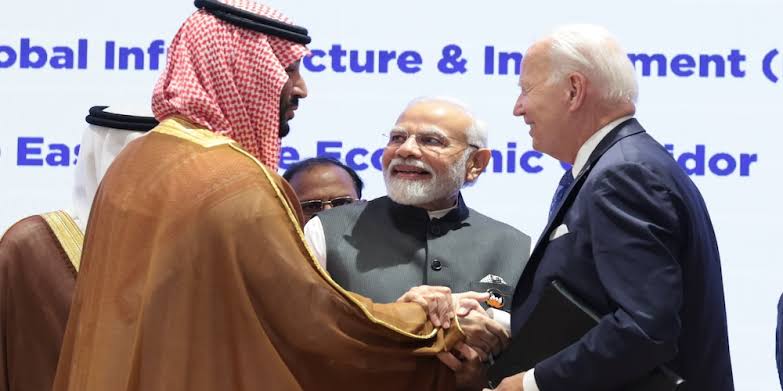
In a stirring address at the High-Level Roundtable on the India-Middle East-Europe Economic Corridor (IMEC), Union Minister of Commerce and Industry Shri Piyush Goyal painted a compelling picture of India’s growing role in global connectivity. Speaking in New Delhi, he emphasized that IMEC is not just a trade route but a bold and visionary initiative with the power to reshape how the world connects — economically, culturally, and sustainably.
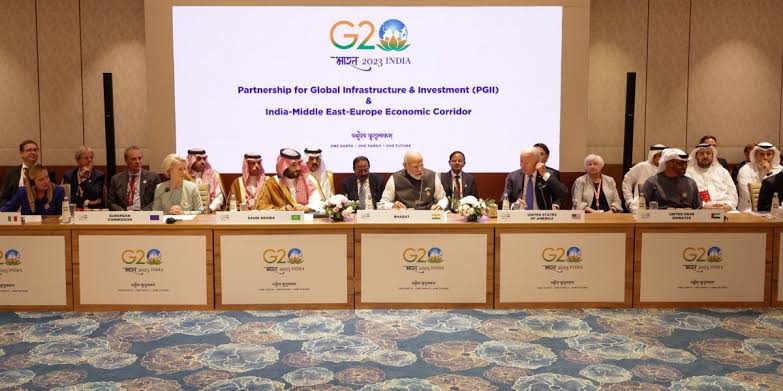

Beyond the economic figures, Shri Goyal’s message carried a deeper resonance — one of unity and shared prosperity. “We will not only be linking trade; we will be linking civilizations and cultures,” he remarked. The IMEC is poised to become a bridge not only between continents but between people, fostering a spirit of collaboration rooted in inclusivity and mutual respect.
He also stressed the environmental and digital potential of the corridor, which will integrate roadways, railways, energy pipelines, undersea cables, and clean energy infrastructure. This isn’t just about moving goods; it’s about transmitting clean power, building sustainable systems, and promoting innovation. India is already in active discussions with nations like Singapore, Saudi Arabia, and the UAE on clean energy transmission and other components of the corridor.
Shri Goyal offered a comprehensive vision for IMEC’s future, presenting five crucial pillars to ensure its success. He urged that the corridor be built on a strong Public-Private Partnership model, where governments create enabling frameworks and the private sector leads with innovation and agility. This collaboration, he said, would ensure smarter planning and more sustainable implementation.
He called for regulatory alignment among participating nations — streamlined customs, interoperable systems, and harmonized standards that ease the movement of goods and services. India’s experience with digital payments like UPI, he said, could be extended to financial transactions along the corridor to reduce friction and enhance efficiency.
Recognizing the scale and ambition of the project, he also proposed innovative financing tools such as green bonds and “IMEC Bonds” to fund the corridor in a future-ready manner. He stressed the importance of involving industry bodies and trade associations for practical insights and ground-level inputs, as well as think tanks and academic institutions to bring fresh ideas, research, and long-term policy planning into the fold.
Through his address, Shri Goyal reaffirmed India’s unwavering commitment to acting as a trusted, dependable partner in this monumental project. Under the spirit of Vasudhaiva Kutumbakam — the world is one family — India envisions IMEC as a symbol of hope and cooperation in an increasingly interconnected world. In this vision, the corridor is not just an economic undertaking but a bridge to a better, more inclusive future for all.