
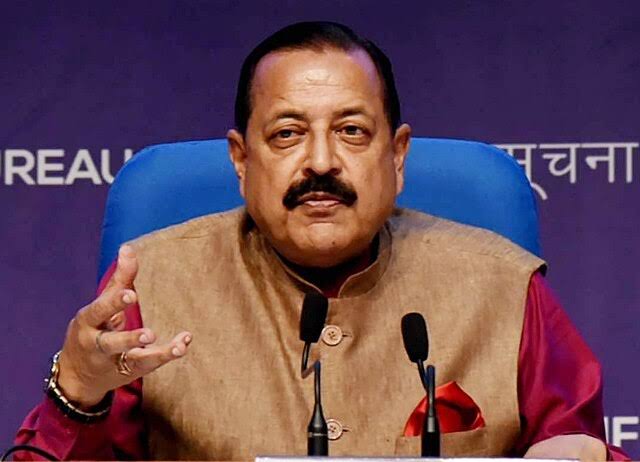
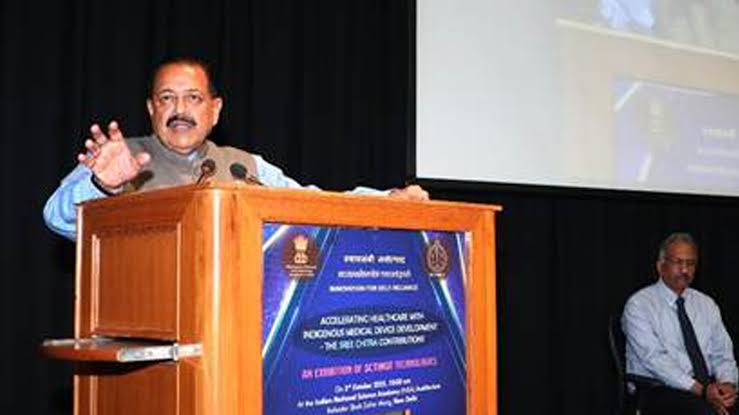

Acknowledging the emotional and logistical challenges faced by cancer patients and their families, Dr Singh said the government is working to streamline hospital admission procedures. At the same time, oncology infrastructure is being strengthened at district and regional levels to reduce excessive referrals to tertiary hospitals in metropolitan cities.
Since 2014, as many as 11 Tata Memorial Centre hospitals have been established across different regions of the country. These institutions are part of a National Cancer Care Grid that now connects more than 300 hospitals, ensuring standardized treatment protocols and continuity of care closer to patients’ residences.
Major capacity expansions are also underway, including the development of advanced facilities such as the Platinum Block at Navi Mumbai. These initiatives aim to meet growing demand while maintaining high clinical standards.
Rising Cancer Incidence and the Importance of Early Detection
Addressing concerns over the rising number of cancer cases, Dr Singh said the trend is not unique to India but reflects a global pattern. Increased life expectancy, environmental exposure, lifestyle changes and the early onset of non-communicable diseases have all contributed to higher incidence rates.
Importantly, he noted that cancer is no longer a disease restricted to old age. “Early diagnosis has transformed many cancers from fatal to curable,” the Minister said, stressing the need for awareness, screening and timely intervention.
Research, Innovation and Reducing Treatment Side Effects
The Minister informed Parliament that extensive cancer-related research is being carried out through institutions such as the Board of Radiation and Isotope Technology (BRIT), Tata Memorial Centre and several teaching hospitals. The focus extends beyond treatment alone to improving patient quality of life.
Scientists are working on radioprotective agents and precision-targeted technologies to reduce the side effects of chemotherapy and radiotherapy. These innovations are expected to make cancer treatment safer, more effective and better tolerated by patients.
Affordability at the Core of Cancer Policy
Affordability remains central to the government’s cancer care strategy. Dr Singh highlighted that nearly 60 per cent of patients at the Tata Memorial Centre receive treatment either free of cost or at a nominal charge. This is made possible through public funding and schemes such as Ayushman Bharat.
Even for paying patients, treatment costs at public institutions are significantly lower than those at private corporate hospitals. The government is also ensuring the timely availability of essential cancer medicines through public hospitals and promoting indigenous manufacturing to reduce dependence on costly imports.
Indigenous HPV Vaccine and Preventive Care
In a major boost to preventive oncology, Dr Singh pointed to India’s first indigenously developed HPV vaccine, led by the Department of Biotechnology. The vaccine plays a crucial role in preventing cervical cancer, one of the most common cancers affecting young Indian women.
The development marks a significant milestone in India’s efforts to combine scientific innovation with public health priorities, making preventive care more affordable and widely available.
Global Collaboration and Nuclear Medicine Advances
On the international front, the Minister highlighted Tata Memorial Centre’s collaboration with the International Atomic Energy Agency under the “Rays of Hope” initiative. Through this partnership, India is helping train healthcare professionals from low- and middle-income countries in advanced cancer care.
Tata Memorial also functions as a deemed university, integrating patient care, teaching and cutting-edge research. It offers super-specialty training in oncology, paediatric oncology and nuclear medicine across several states, including Assam.
Responding to questions on advanced theranostics such as Lutetium-177 PSMA-617 for prostate cancer, Dr Singh said India has developed 24 indigenous radioisotopes over the past decade. These are being used for both diagnosis and therapy, including for prostate cancer and childhood blood cancers.
These indigenous innovations ensure that cutting-edge nuclear medicine remains affordable, scalable and accessible even in logistically challenging rural and remote areas.