 Rare-Earth Deposits Across India
As of January 2026, AMD has identified 136 deposits of beach sand minerals containing 13.15 million tonnes of monazite, a mineral rich in thorium and rare earths. These deposits, spread across Tamil Nadu, Kerala, Andhra Pradesh, Odisha, Maharashtra, Gujarat, Jharkhand, and West Bengal, hold approximately 7.23 million tonnes of in-situ rare earth oxide resources.
Additionally, three deposits in Rajasthan and Gujarat contain 1.29 million tonnes of rare earth oxide resources in hard rock formations. India is among a handful of countries globally with the capacity, technology, and skilled workforce to process rare earths, though extraction remains complex due to low-grade ores and radioactive associations.
Challenges in Extraction and Processing
Monazite, the primary rare-earth bearing ore, is classified as a prescribed substance because of its uranium and thorium content. This places mining and refining under strict government control. Indian resources are predominantly light rare earth elements, making extraction long and expensive. The absence of mid-stream and downstream industries has further limited commercial processing.
Policy Reforms and Auctions
To address these challenges, the Mines and Minerals (Development and Regulation) Act, 1957 was amended in 2023. The amendment empowered the Centre to auction blocks for 24 critical and strategic minerals, including rare earths. A new concession called the Exploration Licence was also introduced.
Since then, the Ministry of Mines has auctioned 46 critical mineral blocks in six tranches, including rare earth elements, and seven exploration licences, two of which cover rare earth deposits. These auctions mark a significant step in securing India’s mineral future.
National Critical Mineral Mission
On January 29, 2025, the Union Cabinet approved the National Critical Mineral Mission (NCMM) to ensure sustainable supply of critical minerals. The mission covers the entire value chain—from exploration and mining to beneficiation, processing, and recycling from end-of-life products. Regulatory reforms have also been introduced to fast-track environmental and forest clearances, including compensatory afforestation on degraded land and exemption from public hearings for critical mineral projects.
Boosting Rare-Earth Magnet Manufacturing
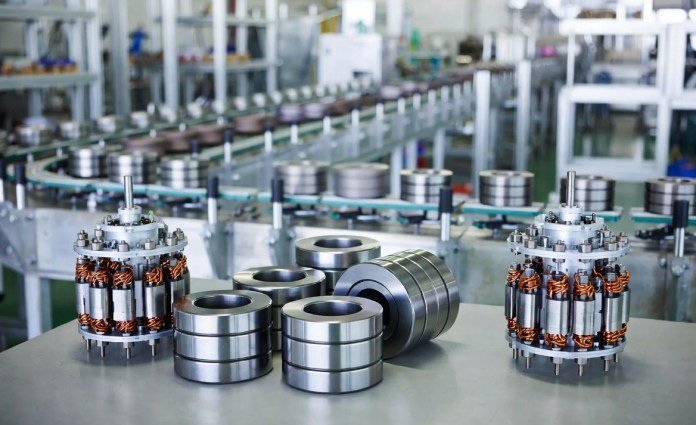
In November 2025, the Cabinet approved a ₹7,280 crore scheme to promote manufacturing of sintered rare earth permanent magnets (REPM). The scheme aims to establish 6,000 metric tons per annum of integrated REPM manufacturing capacity in India. This initiative is expected to enhance self-reliance and position India as a key player in the global magnet market, vital for electric vehicles, wind turbines, and electronics.
Strategic Importance for India
Rare earths are essential for defence, renewable energy, and high-tech industries. With global supply chains often dominated by a few countries, India’s push to strengthen domestic capabilities is both strategic and economic. By expanding exploration, streamlining regulations, and investing in manufacturing, India is laying the foundation for long-term resilience in critical mineral supply.