
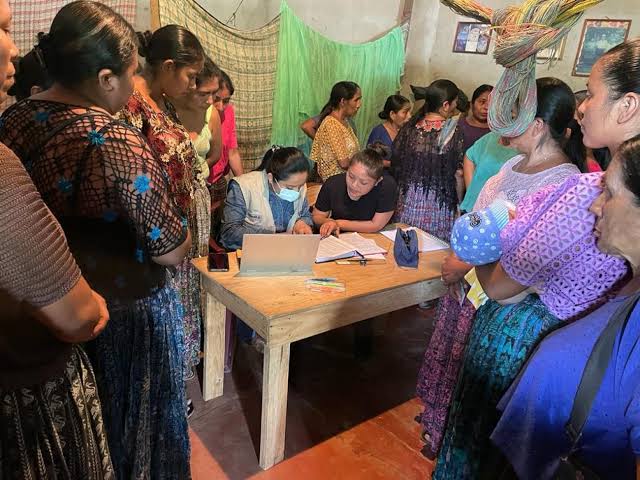
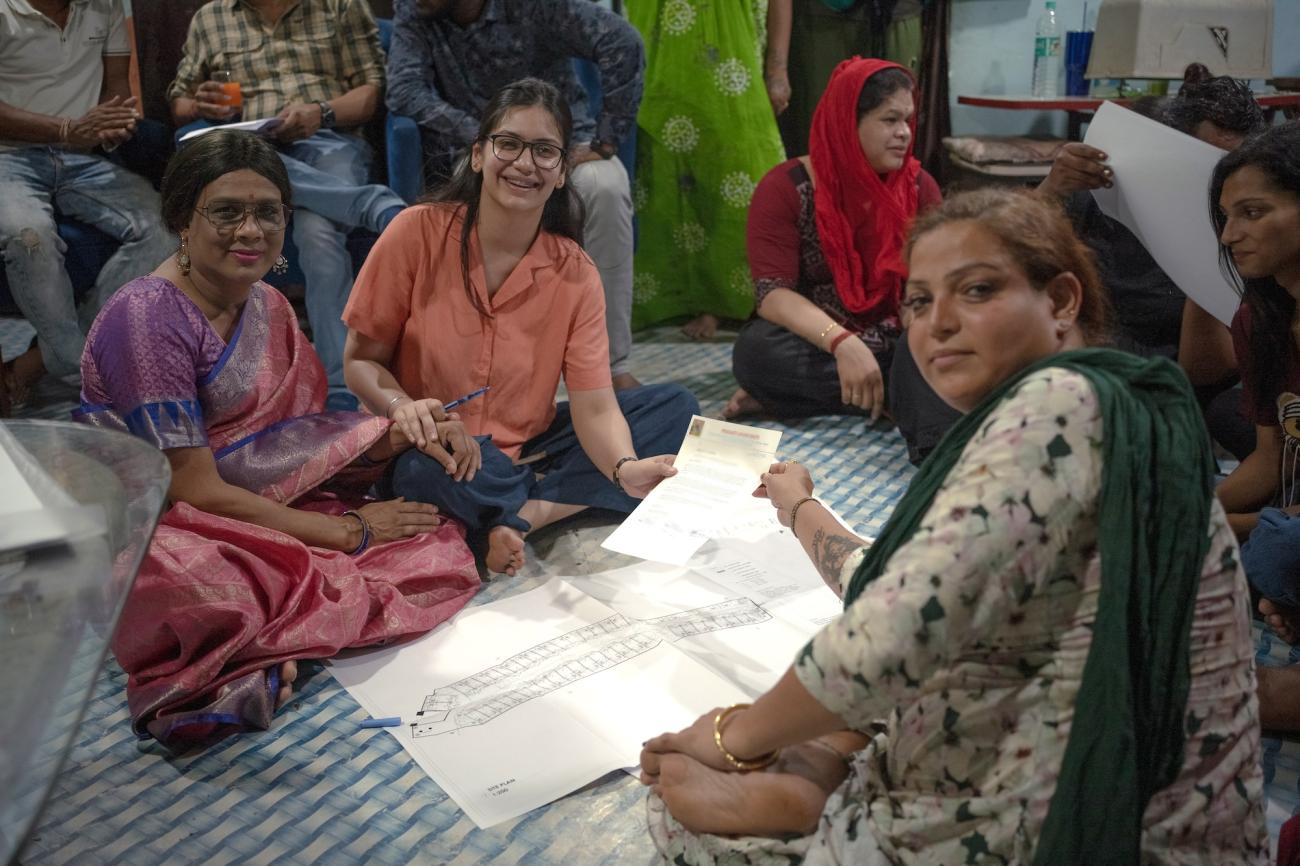

During the bilateral interaction, Smt. Savitri Thakur reaffirmed India’s commitment to deepening its warm and mutually beneficial partnership with Guatemala. The discussions centred on shared priorities such as gender equality, poverty alleviation, indigenous welfare, and inclusive economic growth.
The Minister underlined India’s experience in designing scalable and technology-driven social welfare programmes that have significantly improved access to education, healthcare, nutrition, and financial inclusion, particularly for women and marginalised communities.
Showcasing India’s Flagship Social Welfare Initiatives
Smt. Thakur presented India’s flagship initiatives as examples of effective social protection systems, including Self-Help Groups (SHGs), Direct Benefit Transfer (DBT), the PM POSHAN school meal programme, and India’s digital public infrastructure.
She emphasised that these initiatives have enabled women to participate actively in the economy while ensuring transparency, efficiency, and last-mile delivery of benefits. India also expressed its willingness to share best practices and policy frameworks with Guatemala.
ShakthiSAT and STEM Education for Girls
A key highlight of the discussions was Guatemala’s inclusion in the ShakthiSAT global STEM initiative for girls. The programme aims to inspire young girls worldwide to pursue careers in science, technology, engineering, and mathematics through experiential learning and international collaboration.
Both sides welcomed the initiative as a powerful tool to bridge gender gaps in education and empower future generations of women leaders in technology and innovation.
Shared Commitment at Multilateral Platforms
India and Guatemala reiterated their shared commitment to multilateral cooperation at the United Nations, particularly in advancing the Sustainable Development Goals (SDGs). The two countries agreed on the importance of collective global action to address social inequality and promote inclusive development.
The discussions also explored potential collaboration in indigenous community welfare, social protection mechanisms, and women-centric development programmes tailored to local contexts.
Interaction with Indian Diaspora in New York
In addition to the bilateral meeting, Smt. Savitri Thakur interacted with members of the Indian diaspora in New York. Addressing the gathering, she acknowledged the diaspora’s role as a bridge between India and the world and appreciated their continued engagement with India’s development journey.
The Minister shared details of the Pankhudi Portal, an initiative designed to enable individuals and organisations to support childcare institutions, Anganwadi centres, and child welfare services across India.
Encouraging Diaspora Participation in Nation Building
Smt. Thakur encouraged members of the Indian community abroad to contribute voluntarily and philanthropically towards strengthening early childhood care, nutrition, and education infrastructure in India.
She emphasised that diaspora participation plays a vital role in complementing government efforts and ensuring holistic development outcomes for women and children, particularly in underserved regions.
India’s Global Leadership in Social Development
The Minister highlighted that India’s approach to social development is rooted in empowerment rather than dependency. By combining policy innovation, digital technology, and community participation, India has created inclusive systems that are resilient and adaptable.
She noted that India’s experience offers valuable lessons for developing nations seeking sustainable solutions to complex social challenges.
Strengthening Future Cooperation
The meeting concluded with both sides expressing optimism about expanding bilateral cooperation in social development, women’s empowerment, and knowledge exchange. India reaffirmed its readiness to work closely with Guatemala through bilateral and multilateral platforms.
These engagements reflect India’s growing role as a global partner in advancing inclusive growth, gender equality, and sustainable development while strengthening ties with nations across regions.