
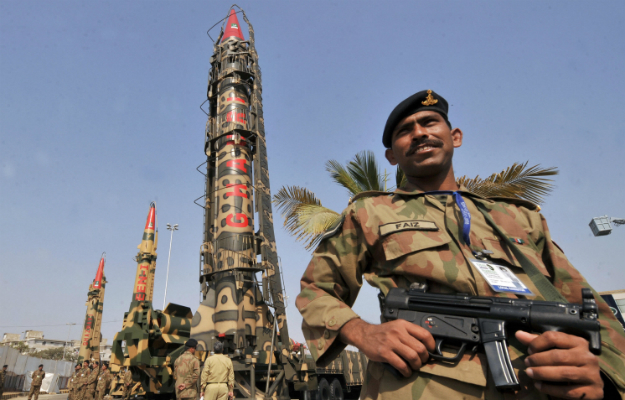

During the weekly MEA briefing, spokesperson Randhir Jaiswal said Pakistan’s nuclear record was marked by decades of “smuggling, secret partnerships, and proliferation networks” a reference to the notorious AQ Khan network that once supplied sensitive nuclear technology to multiple countries. He emphasized that these activities have repeatedly violated global non-proliferation norms.
“Clandestine and illegal nuclear activities are in keeping with Pakistan’s history, centered around decades of smuggling, export control violations, and secret partnerships,” Jaiswal stated. He added that India has consistently alerted the international community to Pakistan’s actions and called for greater global scrutiny.
Trump’s Claim on Secret Nuclear Tests
In a recent interview with CBS News’s 60 Minutes, Donald Trump claimed that while the United States had refrained from conducting nuclear tests for decades, some countries including Pakistan, North Korea, and China continued to carry out underground tests without disclosure. Trump alleged that these nations “test way underground, where people don’t know what’s happening.”
His remarks reignited debate within the global strategic community about transparency and compliance under the Comprehensive Nuclear-Test-Ban Treaty (CTBT), which Pakistan has signed but not ratified.
Pakistan Rejects Allegations
Pakistan quickly dismissed Trump’s statement, labeling it as “baseless and misleading.” Islamabad’s foreign ministry reiterated that Pakistan was not the first nation in the region to conduct nuclear tests and would not be the first to resume them. The statement sought to shift focus toward what it called India’s “aggressive nuclear posture.”
However, experts note that Pakistan’s track record has long been under scrutiny. The AQ Khan network, exposed in the early 2000s, had illicitly transferred nuclear technology and know-how to countries such as North Korea, Iran, and Libya. These revelations continue to shadow Pakistan’s credibility on nuclear non-proliferation.
India Urges Global Accountability
India’s MEA reiterated that it has repeatedly drawn global attention to Pakistan’s actions. “We have taken note of President Trump’s comment about Pakistan’s nuclear testing. These claims only reaffirm the need for strict international monitoring and accountability,” Jaiswal added.
Strategic analysts in New Delhi believe Trump’s statements, though controversial, could revive calls for stronger verification mechanisms under global arms control frameworks. “If such underground testing is indeed taking place, it undermines decades of disarmament efforts,” said a senior foreign policy expert.
India’s Consistent Non-Proliferation Stand
India, which declared itself a nuclear weapons state in 1998, maintains that its nuclear program is strictly defensive and adheres to responsible nuclear conduct. India’s no-first-use policy and voluntary moratorium on nuclear testing have often been cited by the international community as examples of restraint.
The latest exchange underscores the persistent tension between India and Pakistan over nuclear transparency and global security obligations, with the international community watching closely as both nations navigate the sensitive terrain of deterrence and diplomacy.