
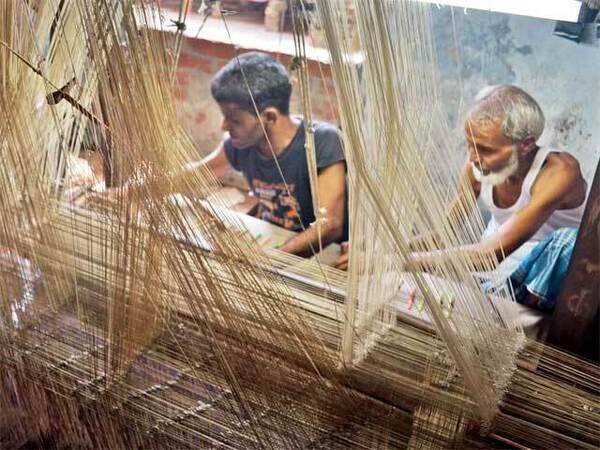
Celebrating India’s Weaving Legacy
Inaugurating the program, Dr. M. Beena, Development Commissioner (Handlooms), highlighted that studying Indian textiles is essentially studying the nation’s cultural history. Each weave represents local traditions and tells a unique story of craftsmanship.
She emphasized the sustainability of handlooms, noting their validation through a Carbon Credit study conducted by IIT Delhi. Calling for a return to roots, she said that adopting handlooms is not about looking back, but about building a greener and more sustainable future.
Immersive Learning in Varanasi
The program is designed for policymakers, textile professionals, and practitioners. It includes classroom sessions, field visits to handloom clusters, and interactions with artisans. Participants will explore techniques, preservation methods, and the role of Indian handlooms in the global textile market.
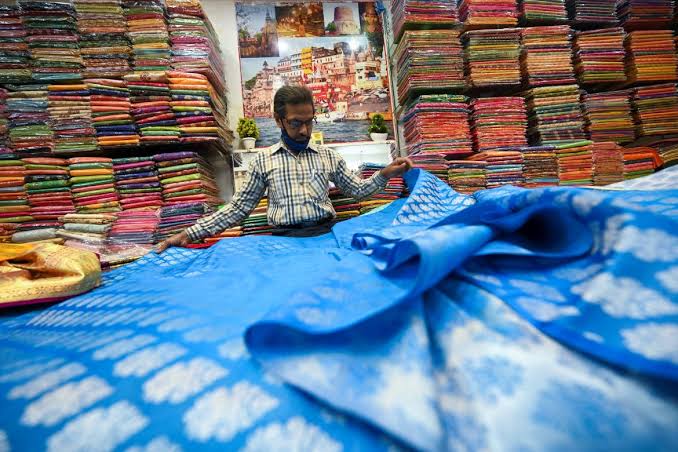
Banaras, one of the oldest living cities and a hub of textile artistry, provides the perfect backdrop. The experience aims to immerse global delegates in the rich traditions of Banarasi weaves and India’s diverse handloom heritage.

Launched in 1964, the ITEC Programme is one of India’s oldest capacity-building initiatives. Over the decades, it has trained more than 200,000 officials from 160+ countries across both civilian and defense sectors. By including heritage textiles in its portfolio, ITEC is expanding its role from governance and technology to cultural and creative industries.
The initiative strengthens India’s soft power and builds bridges through shared learning. It also positions Indian handlooms as not just a cultural treasure, but as a global contributor to sustainable fashion and trade.
IIHT Varanasi: A Hub of Innovation
The Indian Institute of Handloom Technology (IIHT), established in 1956, has been a pioneer in modernizing handloom education. Its role in hosting this international program underscores India’s commitment to combining tradition with modern training. Participants will gain first-hand exposure to weaving techniques, design innovation, and sustainability practices that make Indian textiles unique.
Looking Ahead
The program reflects India’s growing focus on cultural heritage as part of its international cooperation strategy. By engaging global professionals, India not only promotes its textile legacy but also fosters opportunities for future trade and collaborations in the sustainable fashion sector.
As delegates complete their journey in Varanasi, they will carry with them lessons of tradition, innovation, and sustainability—echoing India’s timeless philosophy of weaving culture into every thread.