
India has reaffirmed its global leadership in traditional medicine by hosting a key WHO–IRCH international workshop on safety and regulation of herbal medicines. The event, jointly organised by the Ministry of Ayush and the World Health Organization (WHO), is taking place at the headquarters of PCIM&H (Pharmacopoeia Commission for Indian Medicine and Homoeopathy) in Ghaziabad from August 6 to 8.
Uniting Global Voices for Herbal Medicine Regulation
The three-day workshop gathers top experts from WHO Member States and Observer States to address key challenges in the regulation and efficacy of herbal medicines. It marks a significant step towards global convergence in traditional medicine safety standards.
Vaidya Rajesh Kotecha, Secretary of the Ministry of Ayush, delivered a compelling opening address. He reaffirmed India’s dedication to scientific validation and international regulatory cooperation. “As the lead country for Working Groups 1 and 3, India is committed to building bridges through knowledge,” he said.


Dr. Kim Sungchol, Chairperson of WHO–IRCH and Head of Traditional Medicine at WHO, echoed the importance of joint efforts. “Global coordination is essential to strengthen the safety, quality, and efficacy of herbal medicines,” he stated.
Dr. Kim’s words reflect the growing consensus that traditional medicine can only gain universal acceptance when backed by scientific evidence and robust quality control mechanisms.
India as a Global Leader in Traditional Medicine
India’s leadership in this initiative showcases its growing role in shaping global traditional medicine policies. Ms. Monalisa Das, Joint Secretary in the Ministry of Ayush, praised India’s regulatory and pharmacopoeial institutions for their contribution to global health benchmarks.
Dr. Raghu Arackal, Deputy Director General of the Ministry of Ayush, emphasized the nation’s expertise in developing pharmacopoeial standards and evidence-based practices in Ayurveda, Siddha, Unani, and Homeopathy (ASU&H) systems.
Wide International Participation
The workshop includes in-person and virtual participants from across WHO regions:
- EURO: Poland
- SEARO: Nepal, Bhutan
- WPRO: Brunei, Japan, Indonesia
- AMRO: Cuba
- EMRO: Iran
- Observer States: Sri Lanka, Paraguay
- Virtual Participants: USA, Egypt, Brazil
Such broad participation underlines the global relevance of the discussions and India’s pivotal role in the WHO–IRCH framework.
Hands-On Learning and Knowledge Exchange
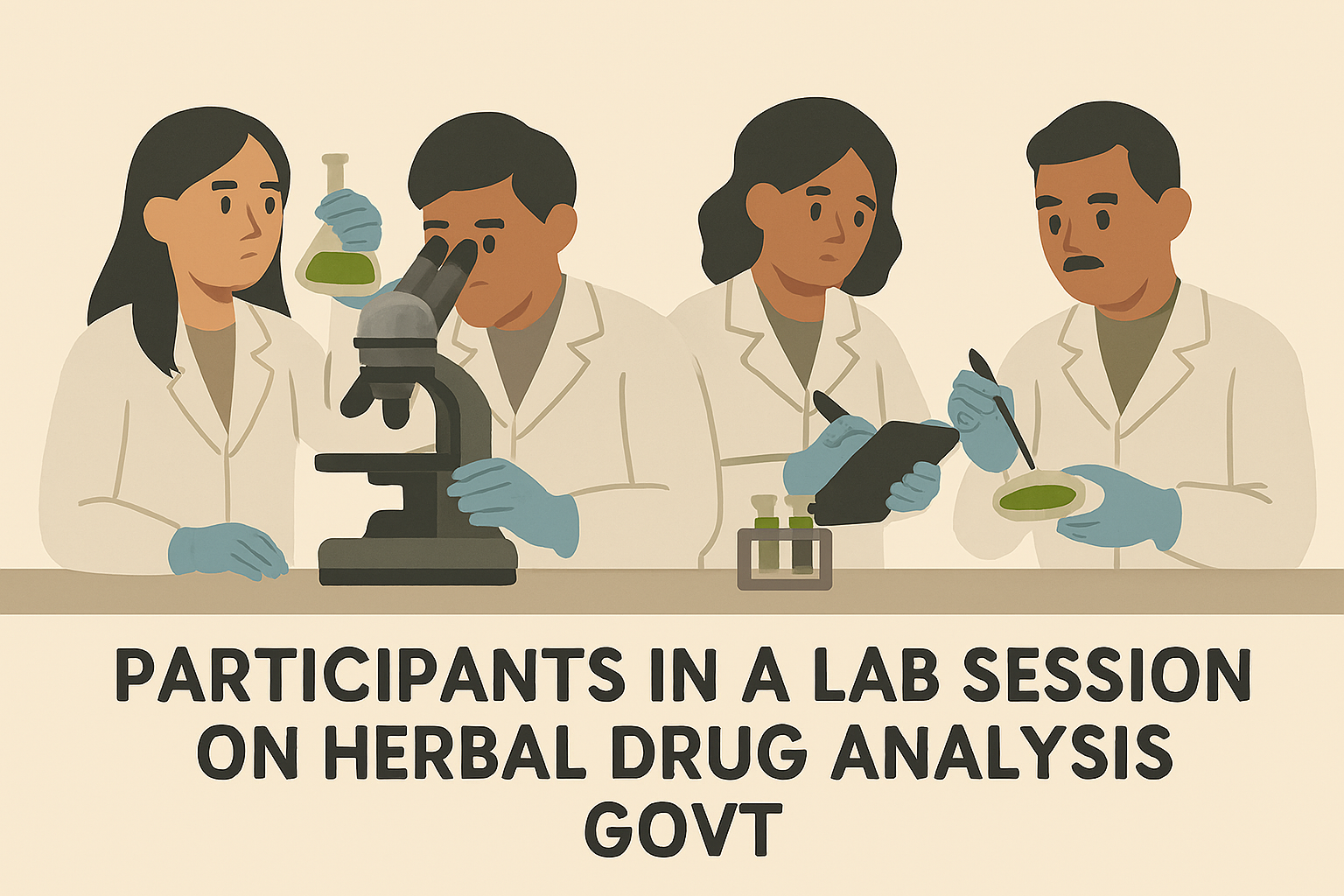
Participants are engaging in technical sessions on herbal drug standardisation using pharmacognostic, chemical, and elemental analysis techniques. These sessions are designed to enhance practical understanding and promote uniformity in herbal medicine practices.


Site visits to renowned Ayush institutions are also part of the agenda. These visits aim to offer international guests real-world insights into India’s clinical, academic, and manufacturing practices in the herbal medicine sector.
Building Trust in Herbal Medicine Through Science
Dr. Raman Mohan Singh, Director of PCIM&H, expressed gratitude to WHO and other partners. He emphasized that collaboration is the key to strengthening the credibility and global acceptance of herbal medicines.
The Ministry of Ayush continues to push for evidence-based integration of traditional medicine into global healthcare systems. Its approach blends ancient wisdom with modern science to promote trust and transparency.
Why This Workshop Matters
This event is more than a technical workshop—it’s a global milestone. As herbal and traditional medicines gain popularity, there’s a pressing need to harmonize regulatory systems and ensure consumer safety.
India’s hosting of the WHO–IRCH workshop sends a clear message: the country is ready to lead the world in creating a safe, effective, and standardized future for herbal medicine.
Looking Ahead
The workshop will conclude on August 8 with key takeaways and recommendations from both Working Groups. These inputs will be used to shape future policies and collaborative projects under the WHO–IRCH initiative.
Through this initiative, India continues to blend tradition with innovation—creating pathways for global health through ancient systems of healing.