
India Hosts Workshop on Veterinary Bio-Waste Management
The day-long workshop brought together senior government officials, State Animal Husbandry Departments, research organisations, global development partners, private sector representatives, and veterinary science students. The consultation aimed to identify gaps in veterinary waste handling and develop a national roadmap aligned with India’s broader One Health preparedness strategy.
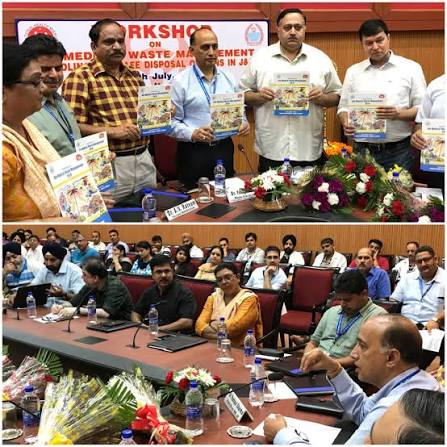

In his inaugural address, Shri Naresh Pal Gangwar, Secretary, DAHD, underscored the need to scale up biogas and bio-manure production at household and community levels. He stressed that livestock waste, when managed scientifically, can contribute significantly to rural energy requirements and climate-resilient agriculture.
He emphasised that India must strengthen livestock waste management systems to reduce disease risks and ensure regulatory compliance. “Scientific biomedical waste practices and scalable, innovative solutions are essential for safeguarding livestock and public health,” he noted.
Bio-Waste Management Linked to Animal Health Security
Additional Secretary (LH) Shri R. S. Sinha highlighted the department’s multi-pronged efforts to improve livestock health systems. He emphasised that efficient bio-waste management plays a critical role in preventing disease outbreaks and boosting the international acceptability of Indian livestock products.
Senior officials including Dr. Praveen Malik (AHC), Dr. Muthukumarasamy B (JS–NLM), and Dr. V. Jaya Chandra Bhanu Reddy (Director–LH) along with representatives from the World Bank and the Pandemic Fund Secretariat, reiterated the need for modern, resilient, and standardised waste systems across India.
Experts Discuss Policy, Infrastructure, and Field-Level Challenges
The workshop featured active participation from State/UT governments, CPCB, NDDB, ICAR institutes, ILRI, veterinary universities, and private sector organisations. Experts discussed existing practices, regulatory gaps, and state-specific challenges in waste management across dairy, poultry, and meat sectors.
The sessions also examined waste management protocols during disease outbreaks and natural disasters, highlighting how climate shocks intensify veterinary waste-related risks.
Circular Economy Approaches Gain Attention
Participants explored circular-economy models such as converting livestock waste into organic fertilisers, bio-slurry and renewable energy. Several speakers stressed that these solutions not only address environmental challenges but also create economic opportunities for rural households and cooperatives.
Key Outcomes and National Action Plan Ahead
The consultation concluded with broad agreement on the need for a comprehensive National Action Plan and updated guidelines for veterinary bio-waste management. Strengthening infrastructure, building field-level capacity, promoting best practices, and ensuring inter-sectoral coordination were identified as immediate priorities.
Participants committed to continued collaboration under the Pandemic Fund Project to develop resilient systems that support animal health security and sustainable livestock production.