
Strategic context and investment ambition
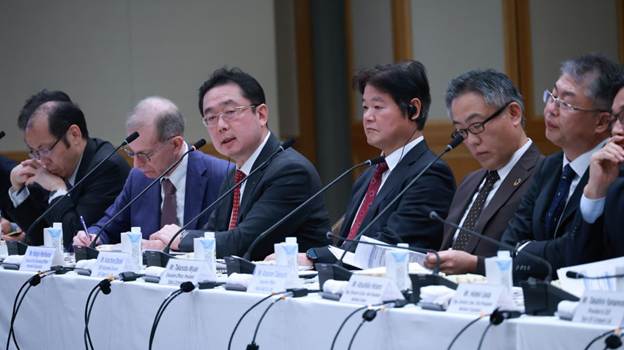
Speaking at the industry meet, Minister Puri recalled the momentum generated by Prime Minister Narendra Modi’s August visit to Japan and the India–Japan Joint Vision for the Next Decade. Building on prior commitments, he noted that both countries have already targeted JPY 5 trillion in investments for 2022–2026 and are now talking of an ambitious JPY 10 trillion private investment goal to deepen economic and technological ties.
Puri highlighted India’s growth story — a large market, rising energy needs and rapid infrastructure expansion — as a unique platform for Japanese investment and technology. He described India’s policy reforms, including 100% FDI allowance in energy sectors and transparent bidding processes, as measures that create predictability for long-term investors.
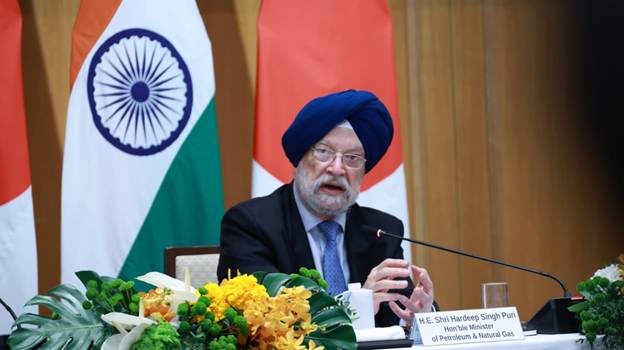
The minister outlined priority sectors for cooperation: exploration and production, liquefied natural gas (LNG), expansion of city gas distribution, hydrogen value chains, shipping and next-generation fuels. He argued that pairing Japan’s technological strengths with India’s scale can fast-track green and resilient energy systems across the Indo-Pacific.
“Japan brings cutting-edge industrial systems and green technology; India brings scale, a reformist policy regime and a skilled workforce,” Puri said. He invited Japanese companies to explore joint ventures, manufacturing tie-ups under the Make in India initiative, and technology transfers for clean energy solutions.
Macroeconomic scale and sector metrics
The minister pointed to the economic weight of India’s energy sector: six major oil and gas PSUs recorded revenues of about USD 315 billion in 2024–25, equivalent to nearly 8% of India’s GDP. He also stressed India’s projected role in global energy demand — set to account for nearly 30% of incremental demand over the next two decades — making the country a strategic partner for long-term energy supply and investment planning.
India is actively expanding natural gas infrastructure, with an estimated investment envelope of roughly USD 72 billion, and is simultaneously developing hydrogen policy frameworks. These moves open multiple entry points for Japanese firms seeking to export technology, equipment and services for clean energy deployment.
Technology, skills and supply-chain resilience
Minister Puri underscored Japan’s strength in high-quality infrastructure and environmental technologies, which can help India develop resilient supply chains and decarbonise hard-to-abate sectors. He suggested collaboration on advanced gas technologies, low-carbon fuels, ammonia and green hydrogen production, as well as maritime fuel efficiency and LNG shipping solutions.
He also highlighted human capital development — training, skill partnerships and vocational programmes — as a crucial element for turning investment into sustainable industrial capacity and employment.
Policy signals and investor facilitation
To reassure investors, Puri pointed to reforms that have opened India’s markets: 100% FDI, transparent bidding, and continuous licensing windows. He reiterated the government’s commitment to facilitate investments and create an enabling environment for joint projects across the energy value chain.
The minister closed by inviting Japanese industry to engage actively in India’s evolving energy opportunities, promising government support to unlock partnerships that are mutually beneficial and aligned with climate objectives.