Government Approves Unified Export Promotion Mission
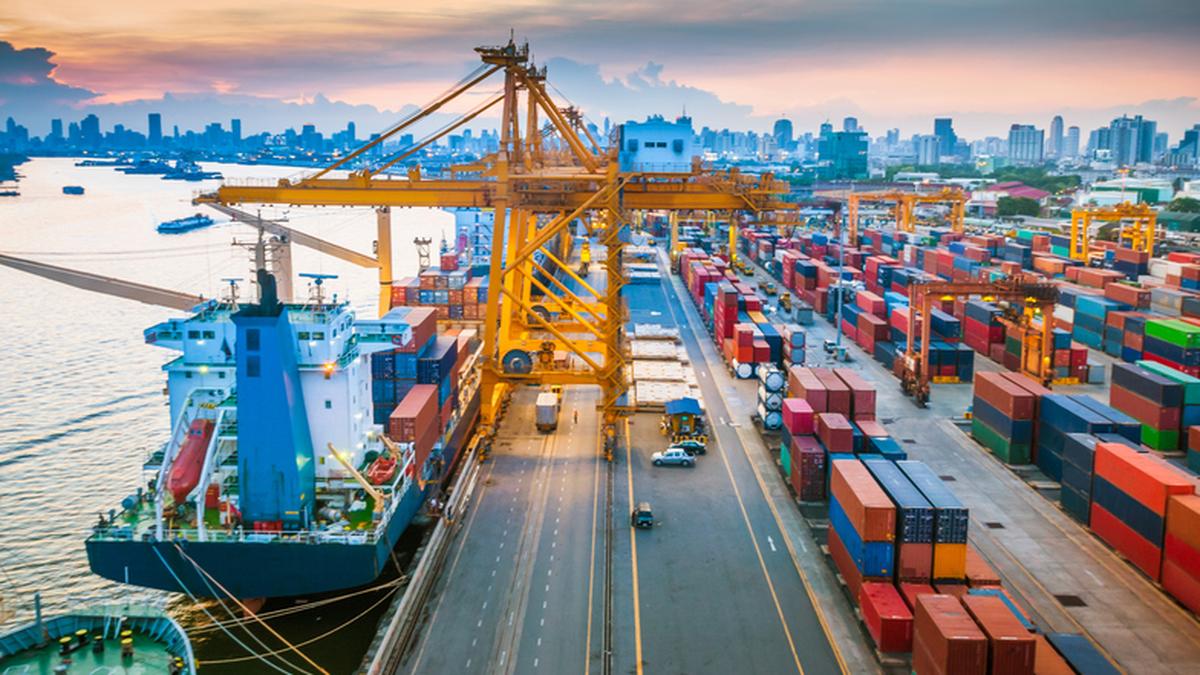
In a major push to strengthen India’s export competitiveness, the Union Government has approved the Export Promotion Mission (EPM) with a total outlay of ₹25,060 crore. The Mission, announced in the Union Budget 2025–26, consolidates multiple export-support schemes into a single, technology-driven and outcome-based framework. It aims to enhance market readiness, expand access to trade finance and boost the global competitiveness of MSMEs, first-time exporters and labour-intensive industries.
The initiative marks a shift towards an integrated model of export support, replacing scattered schemes with a unified architecture managed through the Directorate General of Foreign Trade (DGFT). The Mission covers the period from FY 2025-26 to FY 2030-31, focusing on transparency, faster processing and inclusive outreach.
 Why the Mission Matters
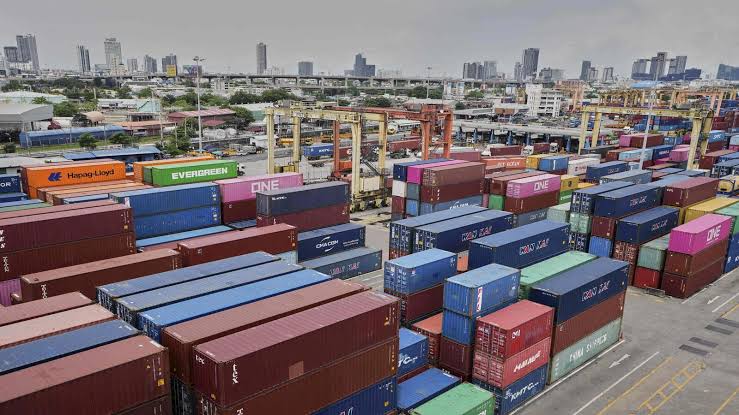
India’s export ecosystem has grown steadily, but exporters continue to face challenges such as limited access to affordable credit, stringent global standards, logistics disadvantages and fragmented support systems. The EPM addresses these bottlenecks by creating a coordinated institutional mechanism that links financial and non-financial interventions under one umbrella.
Recent fluctuations in global demand and tariff escalation in several sectors have further reinforced the need for a stronger, digitally enabled support framework. The new Mission aims to bridge these gaps through targeted financing, compliance support and enhanced market connectivity.
Structure and Governance Framework
The Mission involves coordination among the Department of Commerce, Ministry of MSME, Ministry of Finance, Export Promotion Councils, Commodity Boards, banks, state governments and industry associations. DGFT will operate a dedicated digital portal integrating application, approval and fund disbursal with existing trade and customs systems to ensure speed and transparency.
Regular monitoring, data-driven assessment and inter-ministerial collaboration form the backbone of the governance model, ensuring that interventions remain adaptive to global trade conditions.
Two Sub-Schemes to Drive Export Competitiveness
Niryat Protsahan: Financial Support Mechanism
This component focuses on enhancing trade finance access, especially for MSMEs. Key features include interest subvention on export credit, export factoring, deep-tier financing, collateral-free credit access, credit cards for small e-commerce exporters and risk-coverage for exploring new international markets.
Niryat Disha: Market-Readiness and Compliance
Niryat Disha strengthens non-financial enablers by supporting export quality certification, branding, packaging, participation in international fairs, warehousing, logistics support and inland transport reimbursement for remote or low-export-intensity districts.
Digital-First Implementation
The Mission’s digital platform is designed to deliver paperless, transparent and integrated workflow management. It aligns with DGFT’s existing trade systems and offers exporters real-time updates, faster approvals and simplified compliance. Its outcome-linked structure ensures that funding is closely tied to measurable results in trade performance and readiness.
Focus on Priority Sectors and Regions
EPM prioritises sectors affected by global tariff escalation, including textiles, leather, marine products, gems and jewellery and engineering goods. It also targets MSMEs and first-time exporters who often face challenges in navigating global markets.
Under Niryat Disha, special attention is directed towards non-traditional export districts through logistics facilitation, branding assistance, district-level capacity building and international market exposure.
Credit Guarantee Scheme Expanded for Exporters
Complementing the Mission, the government has expanded the Credit Guarantee Scheme for Exporters (CGSE), adding ₹20,000 crore in credit support. Managed by the National Credit Guarantee Trustee Company Limited, the scheme provides 100% government-backed coverage to lending institutions, enabling collateral-free credit and additional working capital of up to 20% of sanctioned export limits. The scheme is valid until 31 March 2026 and aims to help exporters explore new markets and sustain operations amid global uncertainties.
RBI’s Relief Measures Strengthen Liquidity
The Reserve Bank of India has introduced several measures to ease liquidity pressures faced by exporters. These include a moratorium on loan repayments between September and December 2025, extension of export credit tenure to 450 days, regulatory forbearance on asset classification and flexibility in working-capital calculations.
Additionally, FEMA regulations have been relaxed, extending export realisation timelines from nine to 15 months and allowing longer shipment periods for advance payment-based exports.
Expected Impact on India’s Export Growth
The Mission is expected to significantly improve access to trade finance, strengthen district-level export participation, enhance compliance capability and increase global visibility of Indian products. By integrating policy support, financial incentives, digital governance and regulatory flexibility, EPM aligns with India’s long-term goal of becoming a resilient and trusted global trade partner.
The government expects the mission to boost employment across manufacturing, logistics and allied sectors while supporting the broader vision of Atmanirbhar Bharat and Viksit Bharat @ 2047.