 Two-Decade Trend: Commercial Opportunity Grows
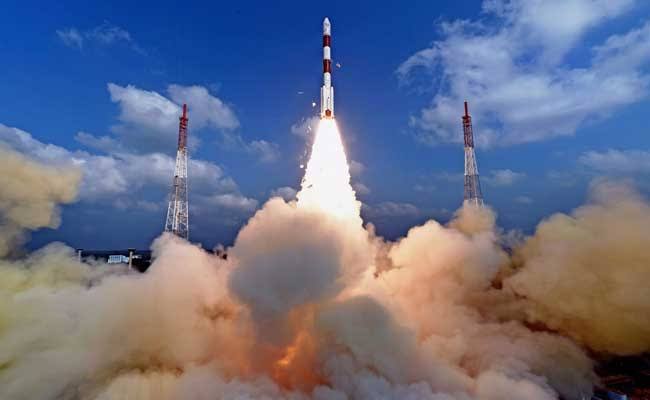
The data highlights a striking shift in India’s launch profile: foreign satellite launches now form the bulk of manifests. The jump after 2014 mirrors ISRO’s improved commercial offerings, global demand for small-satellite rideshares, and competitive pricing that attracted international customers.
Experts say the trend reflects both technological maturity in India’s launch vehicles and market dynamics that favour cost-effective, reliable rideshare services. As small satellites and constellations proliferate globally, ride-share launches have become a cornerstone of the commercial space market.
NSIL: Revenue, Cost and a Competitive Market
The government also shared consolidated commercial figures for M/s New Space India Limited (NSIL), the commercial arm of ISRO incorporated in 2019. NSIL’s revenues from launch services from FY 2019–20 through FY 2024–25 total approximately ₹2,572 crore. The reported expenditure to generate this revenue stands at roughly ₹1,985 crore.
While the revenue numbers indicate a growing commercial footprint, authorities told Parliament that the launch-service market is highly competitive with multiple global players. NSIL continues efforts to sustain and expand market share amid pricing pressures, newer entrants, and evolving customer requirements.
Policy, Capacity and Future Prospects
Government sources note that policy measures and investments in launch infrastructure will shape India’s ability to capture future commercial opportunities. Continued upgrades to launch vehicles, increased cadence, and international partnerships are cited as pathways to maintain competitiveness.
Analysts underscore the importance of balancing domestic mission priorities with commercial commitments. Higher launch cadence for commercial customers can strengthen NSIL’s top line but requires coordinated scheduling with ISRO’s scientific and strategic missions.
What the Numbers Mean for India’s Space Industry
The near fourfold increase in foreign payloads between the two periods underlines India’s growing reputation in the global launch market. For domestic stakeholders industry, start-ups and research institutions greater commercial activity can translate into lower costs, faster access to space, and a more vibrant upstream ecosystem.
However, sustaining this momentum will depend on competitive pricing, reliability, technological upgrades, and international collaboration. The government’s published figures provide a benchmark for tracking that progress.