
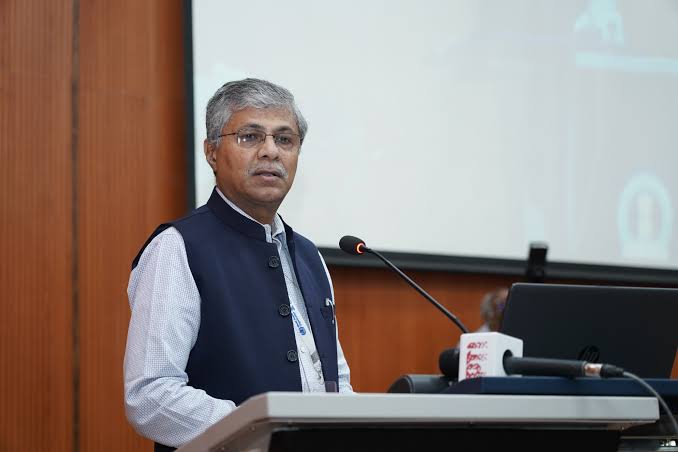
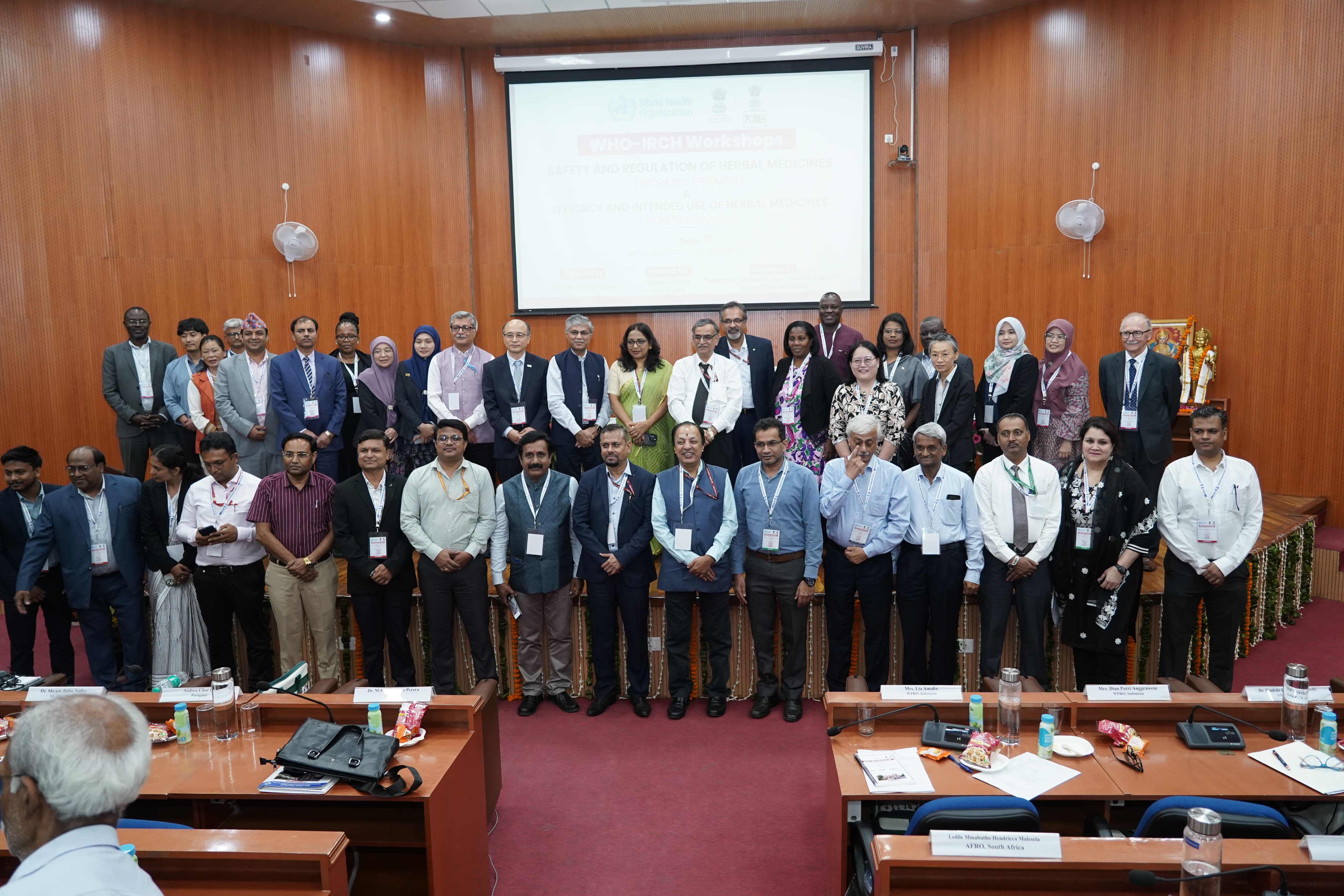

Dr. Raghu Arackal presented the Workshop Report on Efficacy and Intended Use of Herbal Medicines (Working Group-3), showcasing India’s evolving evidence-based regulatory framework for traditional medicine. His presentation emphasised the importance of scientifically validated data, global cooperation, and policy alignment to ensure consumer safety and product efficacy in herbal medicine markets.
Dr. Raman Mohan Singh, Director of the Pharmacopoeia Commission for Indian Medicine and Homoeopathy (PCIM&H), presented another key report on “Safety and Regulation of Herbal Medicines (Working Group-1).” He also delivered a comprehensive presentation titled “Safety and Regulation of Herbal Medicines – Indian Perspective,” underscoring India’s progress in standardising safety protocols and pharmacovigilance systems.
Workshops as Foundation for Global Dialogue
The workshops that informed these discussions were jointly organised by the World Health Organization and the Ministry of Ayush, Government of India, with support from PCIM&H. They were conducted from August 6–8, 2025, in Ghaziabad, serving as crucial preparatory sessions for the WHO–IRCH meeting. These workshops brought together experts to deliberate on issues such as herbal medicine safety, efficacy, and the development of international benchmarks.
Through these initiatives, India contributed significantly to the global understanding of herbal medicine regulation, positioning itself as a thought leader in integrating traditional knowledge with modern scientific validation.
Focus on Quality, Standardisation, and Sustainability
Adding further depth to India’s participation, Dr. Mahesh Dadhich, CEO of the National Medicinal Plants Board (NMPB), co-presented a session on “Quality Control, Standardization and Sustainability of Herbal Medicines” alongside Dr. Singh. Their session focused on promoting sustainable sourcing of medicinal plants, quality control of herbal raw materials, and international collaboration for capacity-building in herbal drug standardisation.
Dr. Dadhich also highlighted India’s efforts toward the sustainable cultivation of medicinal plants, aligning with global biodiversity goals. His interventions stressed that the success of herbal medicine regulation depends not only on safety and efficacy but also on environmental responsibility and ethical resource use.
Strengthening Global Collaboration
India’s active engagement at the WHO–IRCH meeting reflects its ongoing commitment to promoting global harmonisation in herbal medicine standards. The Ministry of Ayush continues to work with international partners to develop globally accepted protocols that balance traditional wisdom with scientific rigor.
These collaborations are essential in ensuring that herbal medicines—used by millions worldwide—meet consistent global standards of safety and efficacy. India’s leadership also aligns with WHO’s broader mission of integrating traditional medicine systems into global healthcare in a safe, regulated, and evidence-driven manner.
By championing such initiatives, India reinforces its role as a bridge between ancient healing traditions and modern regulatory frameworks, contributing to a more inclusive and sustainable healthcare ecosystem.