
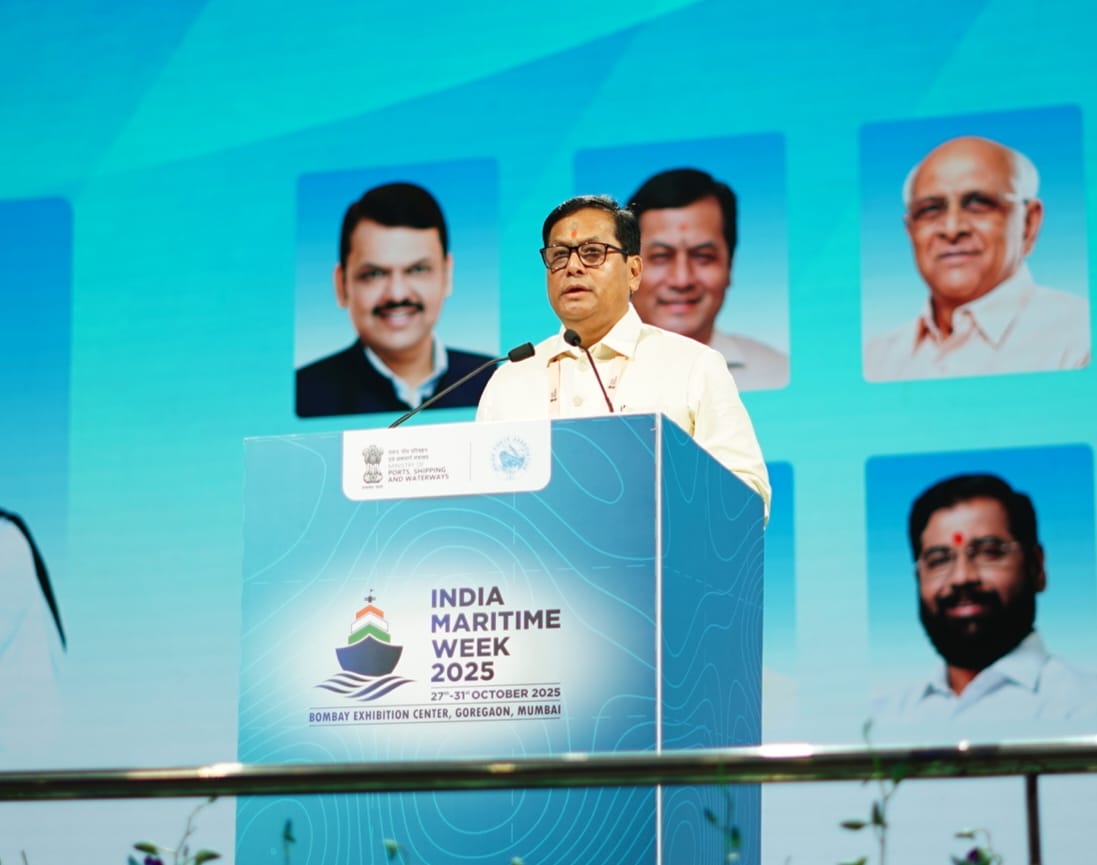
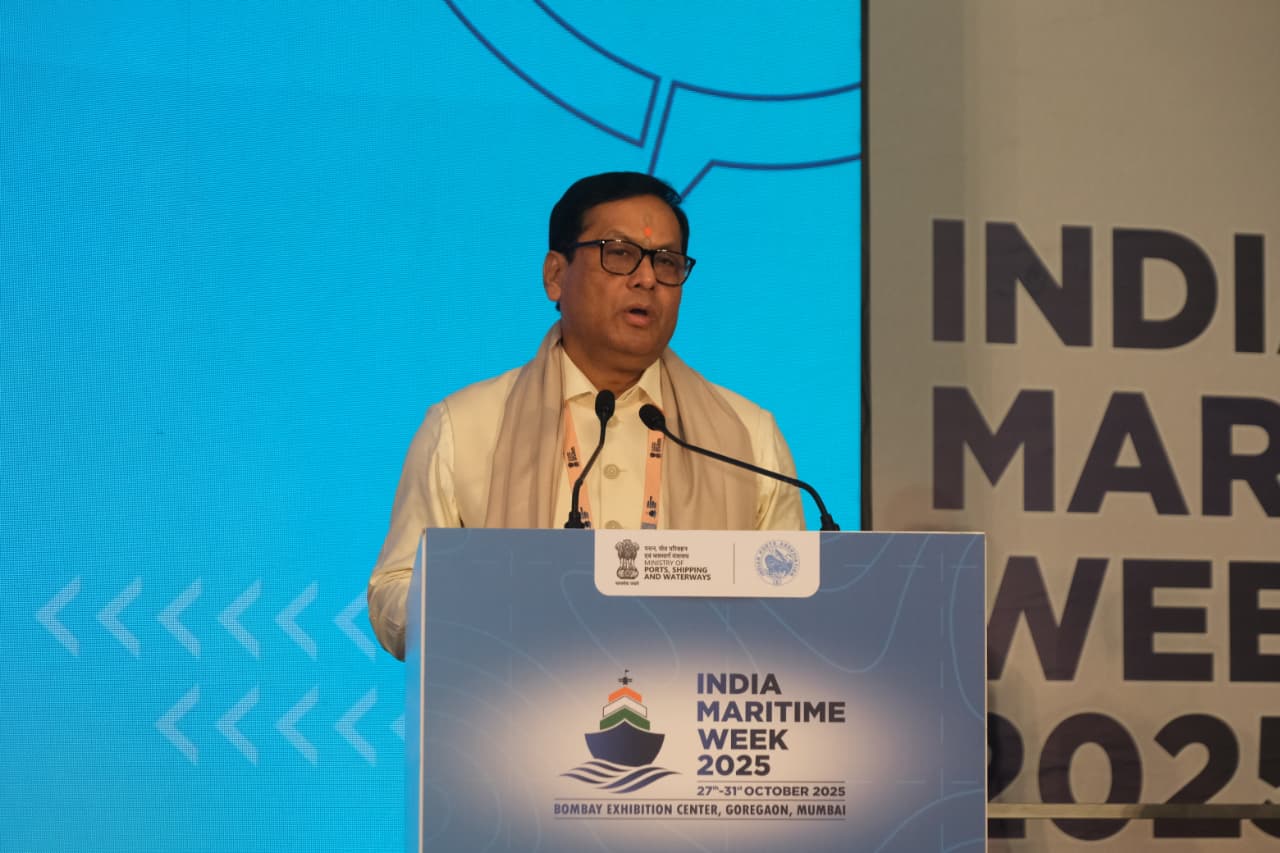

Union Minister for Ports, Shipping and Waterways Sarbananda Sonowal outlined India’s Net Zero maritime targets, setting an ambitious goal of reducing carbon emissions per ton of cargo by 30% by 2030 and 70% by 2047. He framed ports as central to the nation’s climate response and highlighted flagship initiatives such as Sagarmala, Maritime India Vision 2030 and Harit Sagar Guidelines as pillars of decarbonisation.
Green & Digital Shipping Corridors and Shore Power
IMW 2025 saw formal launch of Green and Digital Shipping Corridors with Singapore and Rotterdam to accelerate low-carbon trade routes and investment in green port infrastructure. Complementing the corridors, India unveiled its first national shore-power standard, enabling ships to plug into port electricity and cut bunker emissions while docked expected to reduce portside pollution significantly.
Green Hydrogen and E-Fuel Hubs at Ports
Under the National Green Hydrogen Mission, ports including VOC, Paradip and Deendayal have been designated as green hydrogen hubs. The government announced over 12 million tonnes of prospective green hydrogen-based e-fuel capacity, positioning ports as production, bunkering and export nodes for clean fuels and new maritime jobs.
International Partnerships: Norway, Sweden, Singapore, Netherlands
Country sessions with Norway and Sweden emphasised collaboration on green shipping, shipbuilding and maritime technology. Sweden showcased AI-driven automation and smart port systems; Norway and other partners highlighted opportunities in electric vessels, LNG transition and technology transfer—fortifying India’s maritime diplomacy.
Defence Shipbuilding PPP: Mazagon Dock & Swan Defence
A milestone PPP agreement between Mazagon Dock Shipbuilders Ltd. and Swan Defence & Heavy Industries Ltd. was announced to construct Landing Platform Docks for the Indian Navy. This marks one of the first major public–private ventures in defence shipbuilding, aligning with Atmanirbhar Bharat goals by blending public-sector experience with private investment and speed of execution.
Ports, Inland Waterways and Cruise Economy
Technical sessions stressed ports as engines of industrial transformation and regional connectivity. The Inland Waterways Authority of India (IWAI) outlined plans to scale national waterways to lower logistics costs and promote greener transport. Sessions on the cruise economy called for streamlined regulations and port-city upgrades; operators like Cordelia Cruises signalled plans to expand operations and add new home ports.
Security, Safety and Supply-Chain Resilience
“Guardians of the Sea” discussions brought maritime safety and cyber risk to the fore, including harmonised safety standards and autonomous vessel governance. Sessions on global supply chains advocated digital integration across ports to boost resilience and reduce friction in trade.
As IMW 2025 concluded its second day, stakeholders underscored four common pillars digitalisation, decarbonisation, skills and regulatory simplification as essential to India’s maritime transition. The conclave will culminate with Prime Minister Narendra Modi addressing the Global Maritime Leaders Conclave.