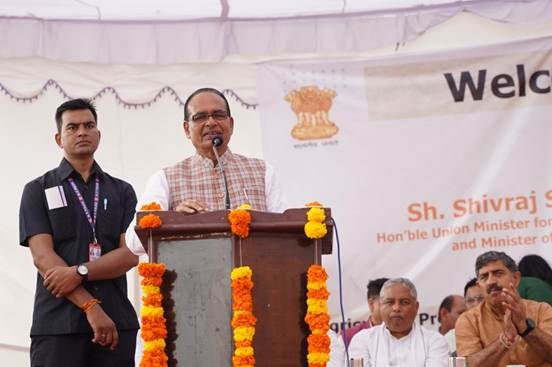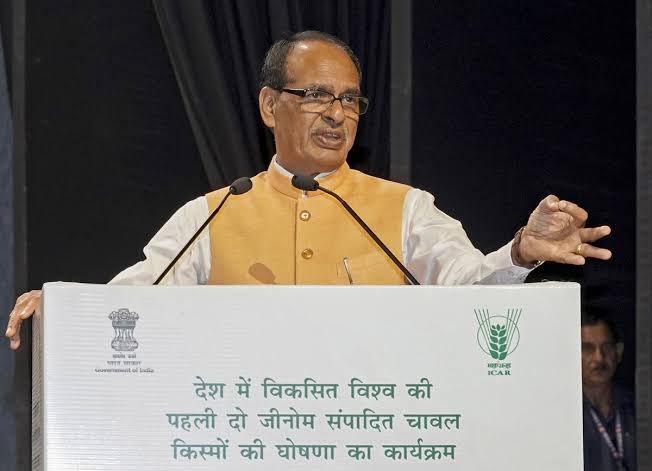
In a moment of pride for the nation, Union Agriculture and Farmers Welfare Minister Shri Shivraj Singh Chouhan announced the successful development of two genome-edited rice varieties, a landmark achievement that places India at the forefront of agricultural innovation. This scientific breakthrough not only sets a global precedent—making India the first country to do so—but also reflects a compassionate and forward-thinking approach to ensuring food security, climate resilience, and farmer welfare.
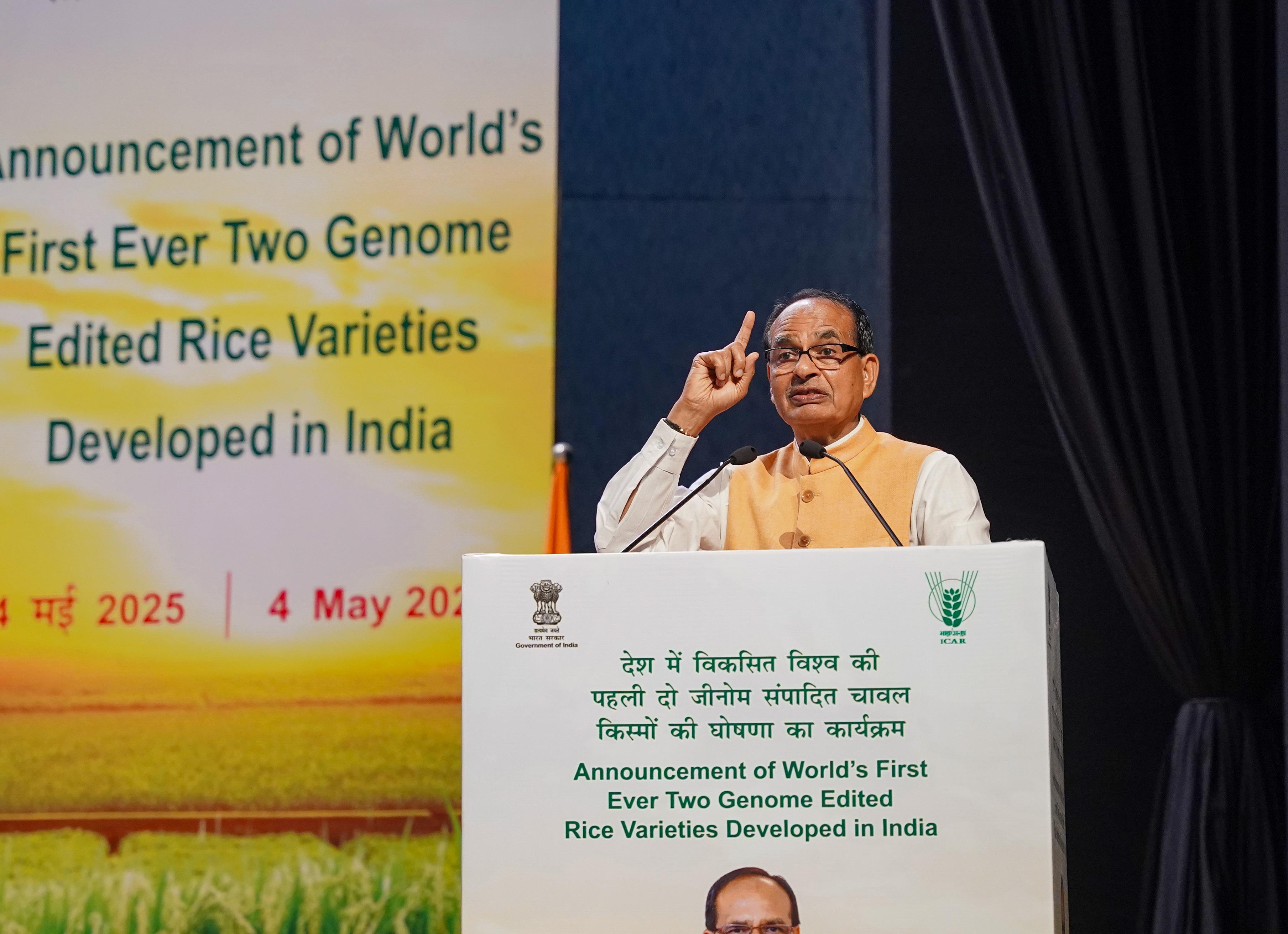
Speaking at an event held in New Delhi, Shri Chouhan lauded the efforts of Indian Council of Agricultural Research (ICAR) scientists, crediting their dedication and the visionary leadership of Prime Minister Narendra Modi for this historic accomplishment. He recalled the Prime Minister’s call during the Azadi Ka Amrit Mahotsav for farmers to embrace modern technologies to overcome agricultural challenges. The development of these rice varieties stands as a glowing testament to that vision.
These new varieties—DRR Rice 100 (Kamla) and Pusa DST Rice 1—have the potential to transform Indian agriculture. They promise higher yields, better tolerance to drought and salinity, reduced water usage, and significantly lower greenhouse gas emissions. This means not just improved income for farmers, but also a healthier environment for future generations. Developed through CRISPR-Cas-based genome-editing techniques, these crops offer scientific precision without introducing foreign DNA—thus aligning with both biosafety norms and public acceptance.
The significance of these varieties extends beyond the lab and into the lives of everyday farmers. With a projected 19% increase in yield and a 20% cut in emissions, they also offer water savings of up to 7,500 million cubic meters—an extraordinary benefit for a country frequently facing water stress. Moreover, these innovations are tailored for specific states across India, ensuring their reach and effectiveness in varied regional conditions.
Shri Chouhan introduced a strategic vision called the “Minus 5 and Plus 10” formula—reducing the area of rice cultivation by 5 million hectares while increasing production by 10 million tons. This thoughtful approach aims to free up agricultural land for cultivating other essential crops like pulses and oilseeds, striking a balance between productivity and sustainability.
There was heartfelt recognition of the scientists behind this achievement. Their dedication and commitment were honored at the event, underscoring the human effort behind technological progress. In their work lies the promise of a better future for countless Indian farmers, who often battle uncertain weather, fluctuating markets, and limited resources.
The Minister urged young farmers to adopt these advanced techniques and stressed the importance of collaboration between researchers and cultivators. He expressed hope that agricultural research would increasingly be rooted in the actual needs of farmers, and that such innovations would continue to reach the ground level where they can make the most impact.
This is more than just a scientific announcement—it is a beacon of hope for a self-reliant and sustainable India. At a time when global food systems are under stress, India’s achievement signals a compassionate and confident stride toward a future where both the earth and its people are nurtured.