 Youth Engagement Takes Centre Stage
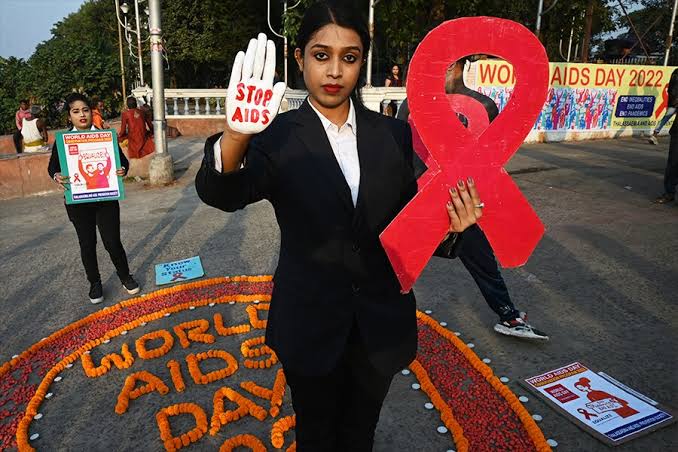
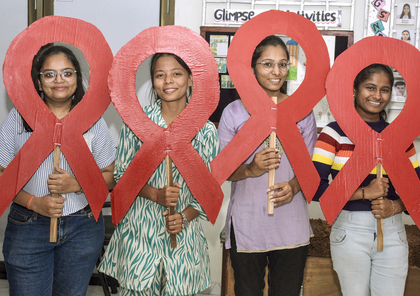
A key feature of this year’s commemoration is youth participation. A special flash performance by young volunteers will spotlight the importance of awareness, safe practices, and responsible behaviour among adolescents and young adults one of the programme’s high-priority groups. The initiative highlights NACO’s focus on making HIV prevention more accessible and relatable to the younger generation.
The event will also inaugurate a thematic exhibition displaying India’s technological and community-led progress. Digital innovations, intervention platforms, monitoring tools, and beneficiary experiences will be showcased to highlight modern approaches driving the country’s HIV response.
New Campaign Targets Youth, Transmission Prevention & Stigma
One of the most anticipated elements of the event is the launch of a national multimedia campaign centred around three pillars: Youth and Awareness, Elimination of Vertical Transmission, and Stigma and Discrimination. The campaign aims to expand public understanding of HIV, support early testing, and encourage treatment adherence.
Additionally, the Health Minister will unveil major national resources, including the 7th edition of Sankalak, the India HIV Estimates 2025 report, a research compendium, and an IT-enabled virtual intervention landing page designed to streamline digital outreach.
India’s Strong Progress Under NACP-V
India continues to show significant improvement in reducing the HIV burden. According to government data, HIV testing expanded from 4.13 crore tests in 2020–21 to 6.62 crore in 2024–25, reflecting stronger early detection efforts. Access to antiretroviral therapy (ART) also increased from 14.94 lakh to 18.60 lakh people during the same period.
Viral load testing crucial for monitoring treatment outcomes almost doubled, rising from 8.90 lakh tests to 15.98 lakh tests over four years. These achievements place India among the global leaders in HIV control efforts.
Between 2010 and 2024, India recorded:
- 48.7% reduction in new HIV infections
- 81.4% decline in AIDS-related deaths
- 74.6% reduction in mother-to-child transmission
These outcomes exceed global averages and reflect strong governance, evidence-based interventions, and active community engagement. NACO’s collaborative model with civil society organisations and community networks has been instrumental in achieving these milestones.