
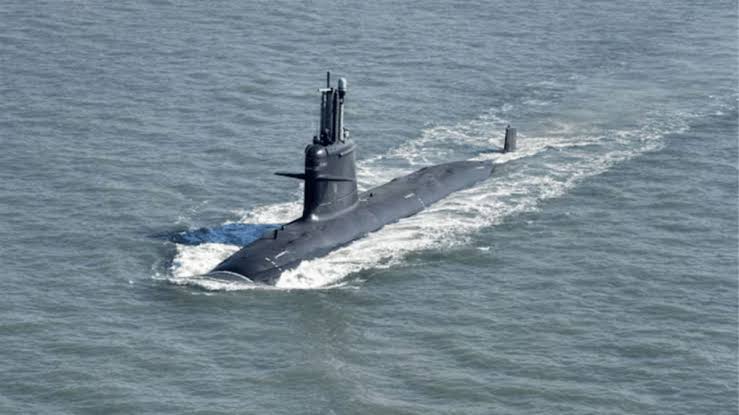
India Eyes P75I Deal This Fiscal; MDL Trims Submarine Cost Significantly
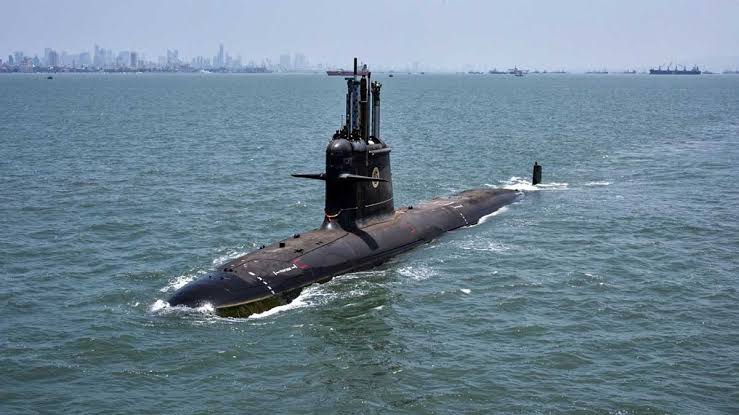
The P75I programme, conceived to modernise and expand the Indian Navy’s undersea capability, has been through nearly three decades of planning, evaluation and bidding. The Request for Proposal (RFP) sets firm delivery and localisation targets: the first boat must be delivered within seven years of contract signing with 45% indigenous content, followed by one submarine per year until the programme achieves 60% localisation.

When P75I received a fresh Acceptance of Necessity (AoN) in 2018, project estimates were broadly benchmarked around ₹43,000 crore. The MDL–TKMS consortium’s initial bid surprised observers by exceeding ₹1.2 lakh crore, with GST and other levies inflating the headline figure. Sources now indicate that MDL has substantially pared back those demands in negotiation rounds.
Despite the reductions, multiple defence insiders caution that the likely contract value may settle near ₹90,000 crore roughly double the 2019 earmark making it one of the most expensive conventional submarine deals globally. The higher cost reflects inflationary pressures, design upgrades, new-build engineering, and the substantial technology transfer and localisation commitments embedded in the contract.
Delivery Timeline and Technical Risks
Even if a contract is inked this fiscal, the RFP timetable means the earliest possible arrival of the first submarine would be 2032 — provided design finalisation, trials and sea-acceptance proceed without delays. Sources note that technical consultations, design verification and integration of complex systems (including future Air-Independent Propulsion, if adopted) could extend timelines.
MDL’s new management, credited with pushing for a lower price, nevertheless faces skepticism about meeting the ambitious seven-year delivery target. The Navy has emphasised the need for robust project oversight to mitigate risks and protect the induction schedule.
Strategic Partnership Model and Vendor Dynamics
P75I is being executed under the Strategic Partnership (SP) model, intended to break the near-monopoly of state-owned shipyards by enabling private Indian firms to co-develop and build advanced platforms. In practice, the private sector’s footprint remained limited: Larsen & Toubro (L&T) was the only major private firm to qualify, and its Navantia tie-up was ultimately disqualified over AIP integration issues.
TKMS initially engaged with L&T but later aligned with MDL amid concerns of a single-vendor environment. The switch, and the disqualification of L&T–Navantia on technical grounds, left MDL–TKMS as the frontrunner.a development that influenced both negotiation leverage and price discovery.
Design: New Platform, Reduced Acoustic Signature
TKMS has proposed an all-new design for the P75I boats rather than adapting its proven Type 212/214 class. The fresh design will use angular hull lines a departure from conventional rounded profiles to lower sonar signature and improve stealth, according to earlier statements from TKMS leadership. While promising on paper, a new-design build adds engineering and trial complexity compared with tried-and-tested designs.
What Comes Next
With contract talks reportedly in the final negotiation stage, the next steps will focus on final price, payment tranches, transfer-of-technology clauses and precise localisation milestones. Parliamentary oversight and procurement clearances will also shape timelines. Observers say balancing cost containment, timely delivery and meaningful indigenous content will be pivotal to P75I’s success.