
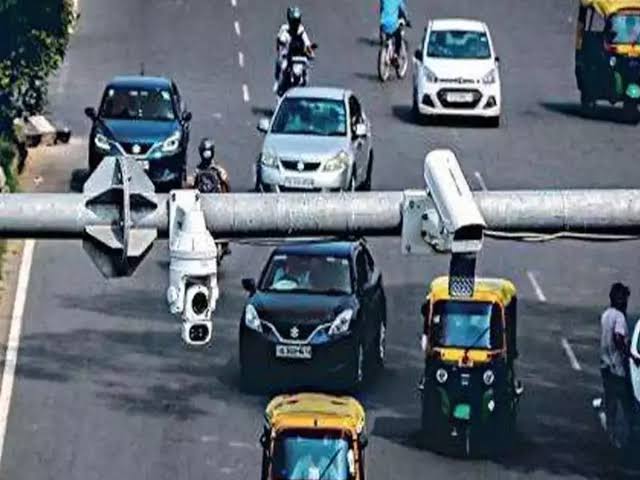
In a meaningful step towards strengthening road safety and promoting fairness in traffic enforcement, the Government of India has officially notified rules for the use of radar equipment in measuring vehicle speeds. These regulations, framed under the Legal Metrology (General) Rules, 2011, are set to come into effect from July 1, 2025, providing a much-needed framework for ensuring that speed detection devices used across the country are accurate, trustworthy, and legally certified.
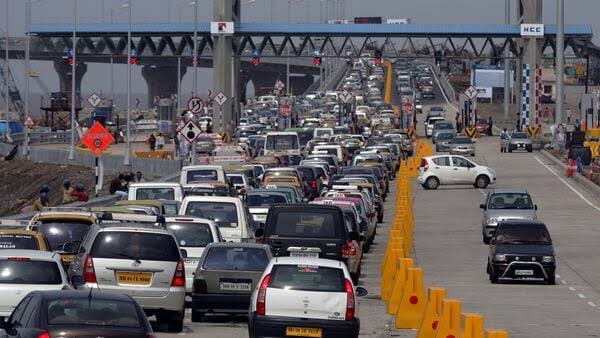

These changes didn’t come overnight. The rules were developed with careful planning and extensive consultation. A dedicated committee worked on the drafting process, drawing from global standards like OIML R 91. Input was sought from various stakeholders, including state legal metrology departments, regional laboratories, manufacturers, and even consumer organizations. This inclusive approach reflects a commitment to both technical excellence and public accountability.
The benefits of this move span across sectors. For industries that manufacture speed detection devices, the rules offer clarity and a standardized framework. It will allow them to innovate with confidence and compete in both domestic and international markets. For law enforcement agencies, having certified, calibrated instruments means more reliable data and evidence-based enforcement, helping build trust with the communities they serve. Officers can now operate with greater accuracy and assurance, reducing disputes and fostering a more respectful relationship between authorities and citizens.
On a larger scale, this initiative supports the country’s broader vision of data-driven governance and technological modernization. By reducing road accidents, ensuring smoother traffic flow, and lowering infrastructure damage, the new standards contribute to a safer, more efficient, and economically sound transportation system. Radar devices, which work using precise Doppler technology, will now function within strict technical guidelines—ensuring reliability under various environmental conditions and protection from tampering.
Ultimately, these new rules reflect a thoughtful, forward-looking approach to governance—one that puts people’s safety first while encouraging innovation and responsibility. As India continues to evolve its infrastructure and regulatory systems, such measures are a reassuring sign that progress and compassion can indeed go hand in hand.