
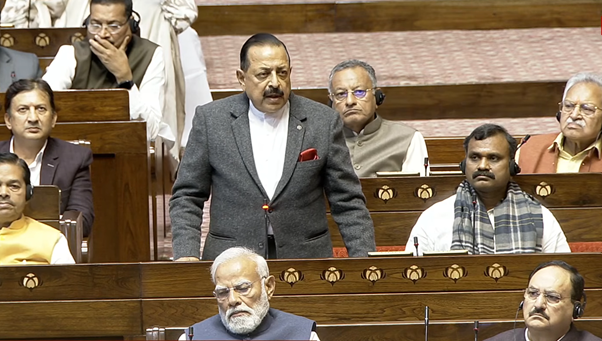
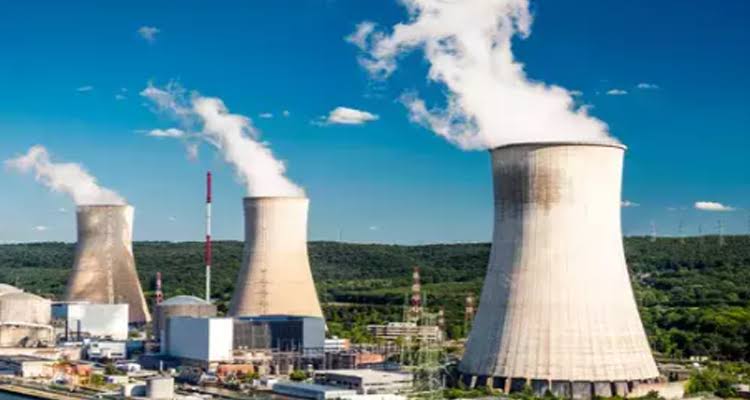

The Minister said India’s installed nuclear capacity has risen from 4,780 MW in 2014 to 8,780 MW at present. The government now aims to scale this up to 22,380 MW by 2031–32.
Beyond that, projections indicate 47 GW by 2037, 67 GW by 2042, and 100 GW by 2047. The expansion is being supported by policy reforms, enabling provisions for private sector participation, and duty exemptions on nuclear plant equipment imports extended until 2035.
Dr. Singh emphasised that the long-term targets demonstrate India’s commitment to nuclear energy as a core pillar of its clean energy transition strategy.
Kudankulam Units on Schedule
Addressing concerns regarding the Kudankulam Nuclear Power Plant in Tamil Nadu, the Minister confirmed that Units 3 and 4 are targeted for completion by 2026–27. Units 5 and 6 are scheduled to be operational by 2030.
He stated that there is no reason to apprehend delays or cost escalations due to recent geopolitical developments, including changes in international relations. India’s nuclear programme, he said, is being implemented with a structured and disciplined framework.
Tracing the project’s timeline, he noted that Kudankulam was conceived in 1988, construction began in 2002, and the first unit became operational in December 2014. The subsequent operationalisation of additional units reflects improved implementation efficiency over the past decade.
Jaitapur Talks Progressing
On the proposed Jaitapur Nuclear Power Project in Maharashtra, Dr. Singh informed the House that discussions are progressing for six 1600 MW reactors. While the technical framework agreement is in place, certain commercial aspects are still under discussion.
The negotiations are being pursued in coordination with relevant ministries, keeping national interest at the forefront, he said.
Energy Security and Uranium Supply
Responding to concerns about uranium imports in a volatile global environment, the Minister said India has strengthened its energy security over the last decade. Nuclear capacity has more than doubled since 2014, reflecting enhanced domestic capabilities.
He clarified that India is not solely dependent on external uranium sources and is steadily building indigenous potential to support its expansion plans.
Power Allocation and Gadgil Formula
Dr. Singh reiterated that power distribution from nuclear plants follows the established Gadgil formula. Under this arrangement, 50% of electricity generated is retained by the host state, 35% is allocated to neighbouring states, and 15% goes to the central grid.
This mechanism ensures balanced regional allocation and addresses concerns about equitable distribution of nuclear-generated power.
Safety and Community Outreach
Reaffirming safety as the top priority, the Minister dismissed allegations regarding centralised storage of spent fuel at Kudankulam, stating that each reactor manages its own specific fuel cycle.
He also highlighted Corporate Social Responsibility initiatives undertaken by the Nuclear Power Corporation of India Limited in areas surrounding nuclear facilities. In the current financial year, ₹168 crore has been spent on CSR projects nationwide, focusing on healthcare, education, infrastructure and skill development.
Dr. Singh concluded that India’s nuclear expansion is being executed with clear timelines, policy backing and strong regulatory oversight.