
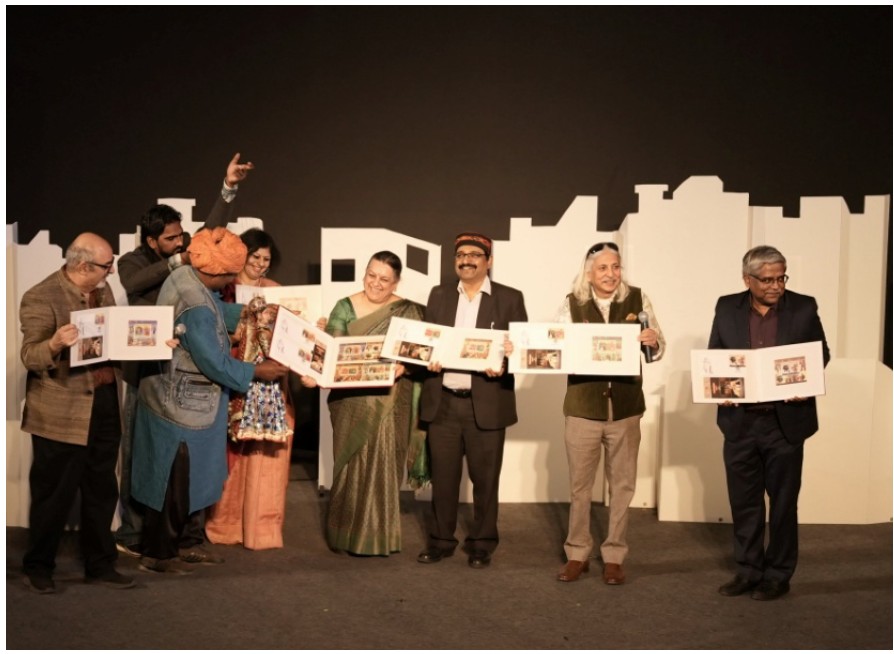
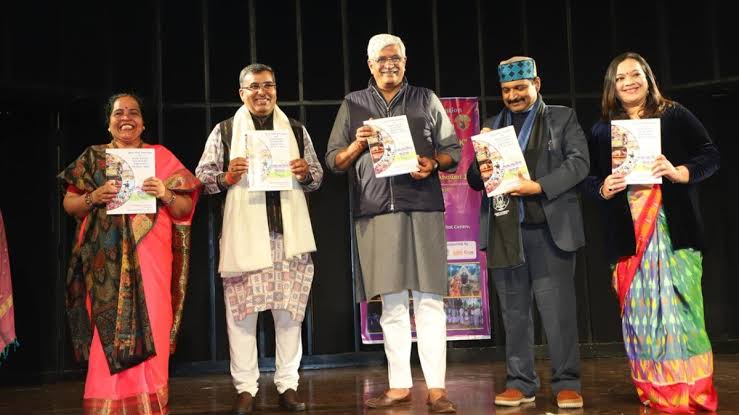

The commemorative stamps were formally released by Ms. Vandita Kaul, Secretary (Posts), in the presence of artists, cultural experts and members of the creative community. Addressing the gathering, she described postage stamps as “miniature ambassadors of our nation’s heritage,” capable of preserving and promoting India’s cultural memory.
She emphasized that puppetry has long served as a powerful medium of storytelling, conveying epics, folklore and moral teachings across generations. Through this philatelic tribute, India Post aims to encourage renewed appreciation for traditional art forms that continue to shape India’s cultural identity.
Eight Traditions, Eight Stories
The “Puppets of India” series showcases eight distinct regional puppetry forms, each reflecting unique craftsmanship, costume design and performance styles. These include Kathputli from Rajasthan, Yakshagana Sutrada Gombeyatta from Karnataka, Daanger Putul and Benir Putul from West Bengal, Kathi Kundhei and Ravanachhaya from Odisha, Pavakathakali from Kerala, and Tolu Bommalatta from Andhra Pradesh.
Each stamp captures the characteristic aesthetics of its respective tradition, from the intricate string puppets of Rajasthan to the dramatic shadow puppets of Odisha and Andhra Pradesh. Together, they represent the diversity and artistic ingenuity embedded in India’s regional cultures.
Puppetry in India is broadly classified into four main forms string, glove, rod and shadow puppets. These art forms blend narration, music, movement and visual design to bring mythological and social stories to life.
Craftsmanship Passed Through Generations
Indian puppetry is sustained through family-based traditions, where knowledge and skills are passed down from elders to children. Young members of puppeteer families often learn by observing performances, assisting backstage and gradually mastering the craft.
These living traditions have historically served as tools of education, entertainment and social awareness. In villages and towns, puppeteers have narrated episodes from the Ramayana, Mahabharata and regional folklore, while also addressing contemporary social themes.
By commemorating these art forms, the Department of Posts acknowledges the dedication of puppeteers who have safeguarded this intangible cultural heritage despite modern challenges.
Design and Availability
The stamp set has been designed by Shri Sankha Samanta. The artistic references and textual inputs were provided by cultural institutions including Sangeet Natak Akademi, Indira Gandhi National Centre for the Arts (IGNCA), Daricha Foundation, and Shri Dadi Pudumjee, founder of The Ishara Puppet Theatre Trust.
The issue includes a miniature sheet, First Day Cover, brochure, sheetlets and a special cancellation. Each stamp carries a denomination of 500 paise, forming a complete set of eight stamps.
A Cultural Message Beyond Borders
Commemorative stamps often serve as cultural messengers, traveling across regions and countries. By spotlighting India’s puppetry traditions, the Department of Posts has transformed these miniature canvases into vehicles of heritage preservation.
As India continues to modernize, initiatives like the “Puppets of India” stamp series underline the importance of safeguarding traditional knowledge systems. The release stands as both a tribute to master puppeteers and a reminder of the timeless stories that bind generations together.