
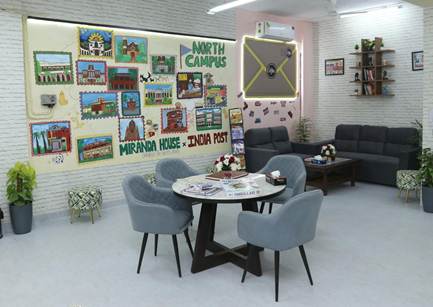
The transformation at Delhi University follows the earlier modernisation of the IIT Hauz Khas Post Office and is part of a larger plan to revamp 46 campus post offices by January 2026. Organisers say the initiative seeks to blend civic utility with campus life and to showcase India Post as a contemporary public service for young citizens.
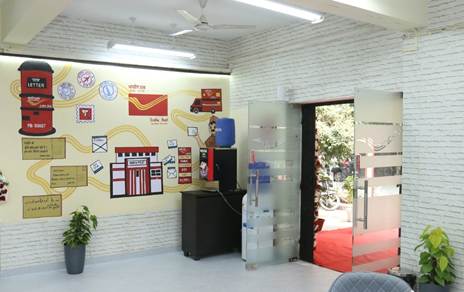

Students played a central role in shaping the Post Office’s new identity. Artists from the Miranda House Adversity Fine Arts Society contributed graffiti, interior themes and promotional artwork that give the space a distinctly youth-driven look. The student collaboration aims to foster ownership and ensure the facility resonates culturally and visually with campus visitors.
Officials highlighted that student participation also serves as a model for public-private-academic cooperation, where creative inputs from campus bodies are integrated with government service design to increase footfall and use of postal services by younger users.
Modern amenities for students
The revamped facility offers several practical upgrades tailored to student needs: Free Wi-Fi for quick digital access, dedicated student service counters to reduce queues, professional parcel packing services, and discounted Speed Post for documents such as admissions papers, application forms and certificates. These services are designed to make postal transactions faster and more convenient for students who frequently send and receive documents and parcels.
India Post also introduced signposting and digital displays to guide users through services, along with user-friendly counters for small consignments and campus merchandise fulfilment — a feature that could support student entrepreneurs and campus clubs seeking reliable logistics.
Scaling the campus Post Office programme
The Delhi University project is the second of 46 campus post offices slated for revamp. The broader push is intended to create a nationwide network of campus hubs that can support academic life, student commerce and last-mile logistics. Officials say the programme will emphasise local partnerships with university administrations, student organizations and technical institutes to customise services to each campus’ needs.
Member (Personnel), Postal Service Board, Department of Posts, thanked Delhi University authorities for their collaboration and singled out the Registrar, Dean (Administration), and Miranda House leadership for their role in realising the campus redesign. The partnership model is designed to ensure replicability across different higher-education institutions.
Why campus post offices matter
Postal networks continue to be India’s most extensive physical infrastructure. By redesigning campus post offices, India Post aims to increase relevance among younger users, support student commerce and provide affordable logistics for campus-based enterprises. The initiative also aligns with national priorities of Digital India and Skill India, providing a tangible interface between government services and youth communities.
Officials said the revamped outlets will also act as nodes for awareness campaigns, student outreach and occasional pop-up events to encourage greater use of postal products and digital services, including e-post, e-commerce logistics and financial products where applicable.
Next steps and roll-out
Having completed the IIT Hauz Khas and Delhi University pilots, India Post plans to accelerate roll-out across the identified 46 campuses. Each revamp will be context-sensitive, drawing on student input, institutional partnerships and local service demands. The programme will monitor uptake, service metrics and user feedback to refine the model before wider replication.