Boost to Hydrocarbon Exploration
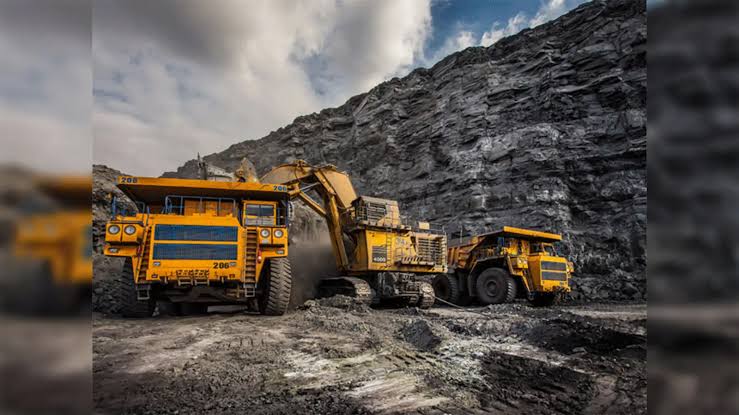
Under the Hydrocarbon Exploration and Licensing Policy (HELP), introduced in 2016, the government has steadily expanded the scope for oil and gas exploration. The Open Acreage Licensing Policy (OALP) has already awarded 172 exploration blocks across nine bidding rounds, covering a massive 3,78,652 square kilometres. The latest, OALP Bid Round X, launched in April 2025, offers 25 more blocks spanning 1,91,986.21 square kilometres.
 LNG Infrastructure and Retail Growth
India’s LNG capacity now stands at 52.7 million metric tonnes per annum (MMTPA) across eight operational terminals. In addition, state-owned oil and gas firms have commissioned 13 LNG retail stations, while private companies operate 16 more. The expansion is intended to diversify energy supply options and promote cleaner fuel alternatives for industries and transport.
Expanding City Gas Distribution
The Petroleum and Natural Gas Regulatory Board (PNGRB) has authorised city gas distribution (CGD) networks in 307 geographical areas, effectively covering almost the entire mainland. As of May 2025, 1.50 crore domestic piped natural gas (PNG) connections have been provided, alongside the commissioning of 8,083 compressed natural gas (CNG) stations.
Green Hydrogen Mission Targets 2030
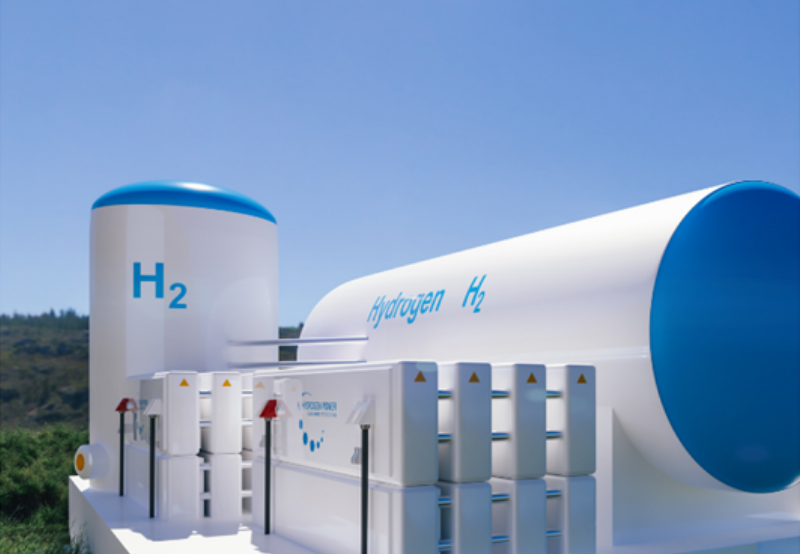
Launched in January 2023, the National Green Hydrogen Mission is central to India’s ambition of becoming a global hub for green hydrogen production, use, and export. The target is to produce 5 million metric tonnes annually by 2030, which would help reduce fossil fuel imports and cut greenhouse gas emissions significantly.
Ethanol Blending Advances Ahead of Schedule
The National Policy on Biofuels 2018, amended in 2022, moved up the goal of achieving 20% ethanol blending in petrol from 2030 to the ethanol supply year (ESY) 2025–26. As of June 2025, public sector oil marketing companies have already achieved an average blending rate of 18.93%, putting the country well on track to meet the target ahead of schedule.
Promoting Compressed Bio Gas
Through the Sustainable Alternative Towards Affordable Transportation (SATAT) initiative, launched in 2018, the government is promoting compressed bio gas (CBG) production from waste and biomass. The programme aims to reduce dependence on fossil fuels, cut pollution, and create rural employment opportunities by linking farmers and entrepreneurs to the bioenergy value chain.
Balancing Energy Security and Sustainability
Speaking in the Rajya Sabha, Minister of State for Petroleum and Natural Gas Shri Suresh Gopi highlighted that the government’s approach balances the need for energy security with commitments to climate action. These initiatives reflect India’s strategy of boosting domestic production while integrating renewable and low-carbon solutions into its energy mix.
Experts say that the combined effect of these measures could transform India’s energy landscape over the next decade, positioning the country as both a major producer and consumer of clean energy.