
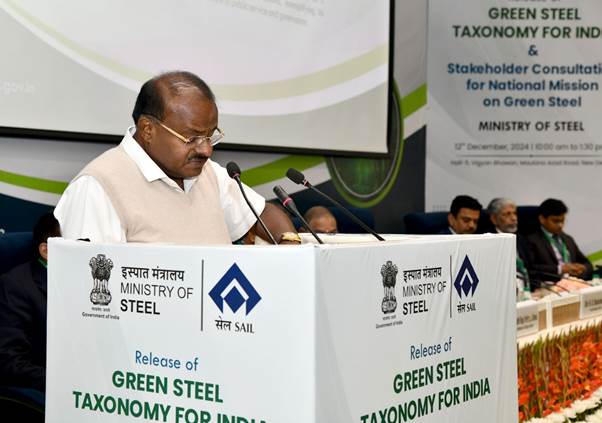
India’s Green Steel Taxonomy: A Big Step Towards Sustainable Steelmaking
Steel is the backbone of modern infrastructure. Yet, it is also one of the largest industrial sources of greenhouse gas emissions. Recognizing this challenge, India has taken a bold step forward with the introduction of the Green Steel Taxonomy.
This initiative aims to define what qualifies as “green steel” and set a framework that will transform the country’s steel industry into a more sustainable, low-carbon sector.
The move is not just a policy shift—it is a vision for the future of India’s industrial growth.
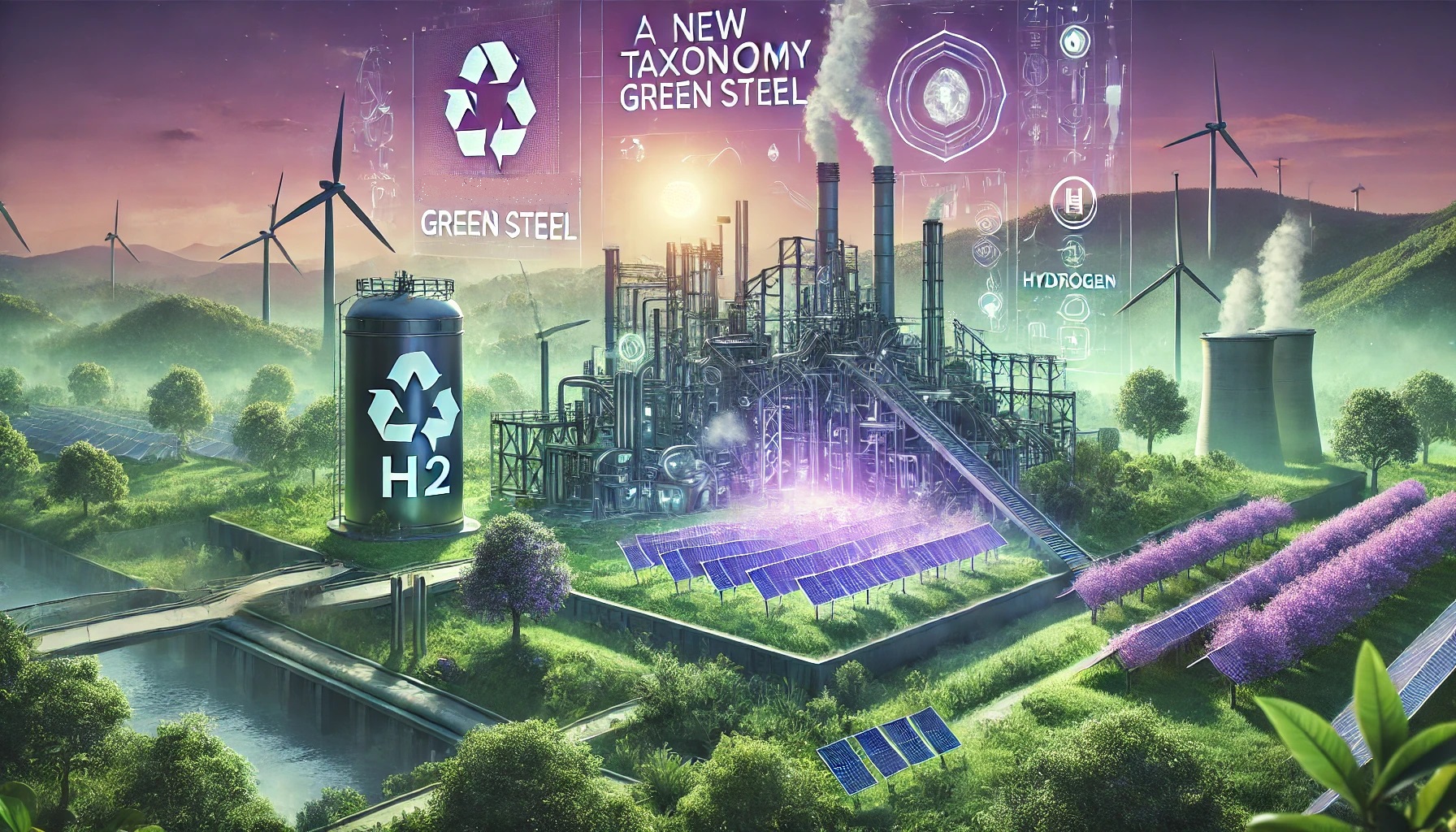

The Green Steel Taxonomy is an official framework that sets the definition and criteria for green steel production in India. It encourages steelmakers to adopt energy-efficient technologies and non-fossil fuel sources such as renewable energy.
The taxonomy was finalized after extensive consultations with industry stakeholders. Experts, policymakers, and industry leaders worked together to ensure that the framework is practical, measurable, and effective in driving real change.
Under this framework, Green Steel Certificates will be awarded to plants that meet specified emission intensity levels.
Why India Needs Green Steel
India is the second-largest producer of steel in the world. But the industry’s carbon footprint is massive, accounting for a significant share of the nation’s industrial emissions.
By adopting the Green Steel Taxonomy, India is aligning with global efforts to decarbonize heavy industries. It also positions Indian steel as a competitive product in international markets that are increasingly demanding eco-friendly materials.
Switching to green steel means reduced emissions, better energy efficiency, and a long-term economic advantage.
How the Certification Works
The National Institute of Secondary Steel Technology (NISST) is the nodal agency for Measurement, Reporting, and Verification (MRV).
NISST will handle:
- Measuring plant emissions
- Verifying compliance with the Green Steel standards
- Issuing Green Steel Certificates
- Providing star ratings to steel plants based on their performance
These certificates will serve as proof that a steel product meets the green taxonomy standards.
Industry Response: 42 Producers Already Applied
Since the announcement, 42 iron and steel producers have applied for Green Steel Certificates.
This early adoption shows the industry’s willingness to adapt and meet sustainable manufacturing goals. It also signals growing recognition that green certification can open up premium market opportunities, both domestically and globally.
Global Context and Market Potential
Globally, there is a rising demand for low-carbon steel. Countries in the EU, the US, and parts of Asia are introducing carbon border adjustment mechanisms. This means that in the near future, exporters may face tariffs if their products are not climate-friendly.
By aligning with these requirements early, Indian producers can avoid trade barriers and even gain a competitive edge.
A certified green steel label will make Indian steel more attractive to global buyers.
Driving Innovation Through Energy Efficiency
The taxonomy doesn’t just focus on renewable energy—it also promotes the adoption of energy-efficient technologies.
This includes:
- Waste heat recovery systems
- Hydrogen-based steelmaking processes
- Advanced electric arc furnaces
- Carbon capture and utilization methods
By encouraging innovation, the framework ensures that sustainability and profitability go hand in hand.
Government Commitment to Green Transition
The Ministry of Steel & Heavy Industries, led by Shri H.D. Kumarswamy, is actively supporting this transition.
The Green Steel Taxonomy is part of a broader national strategy that aligns with India’s Net Zero by 2070 commitment. It also supports the global agenda under the Paris Agreement to reduce industrial emissions.
Challenges Ahead
While the vision is ambitious, the path is not without challenges.
- High initial investment for renewable energy infrastructure
- Technological limitations in large-scale hydrogen use
- Skill development for operating new green technologies
However, the certification process itself can drive gradual transformation, encouraging even small and medium steel plants to start the green journey.
Opportunities for Industry Players
Companies that adopt the Green Steel Taxonomy early will benefit in multiple ways:
- Market access to eco-conscious buyers
- Brand advantage as a sustainability leader
- Potential tax incentives in the future
- Higher export competitiveness
This is not just about compliance—it’s about future-proofing business.
Key Points
- Green Steel Taxonomy defines and sets the standards for eco-friendly steel.
- NISST is the nodal agency for certification and star ratings.
- 42 producers have already applied for certification.
- Focus on renewable energy and energy-efficient technologies.
- Positions India for global trade competitiveness in low-carbon steel markets.
Conclusion: Building the Future with Green Steel
The Green Steel Taxonomy marks the beginning of a new era for India’s steel industry. It is more than just a policy—it’s a commitment to building infrastructure, manufacturing products, and shaping the economy in a way that respects our planet.
With industry alignment, government support, and the right incentives, India is set to lead in the global shift toward green steel production.
As 42 companies take the first step, the journey toward a cleaner, greener, and stronger steel industry has truly begun.