 ‘Restoring balance’ India’s summit theme
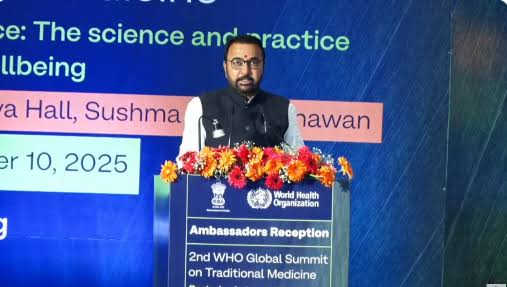
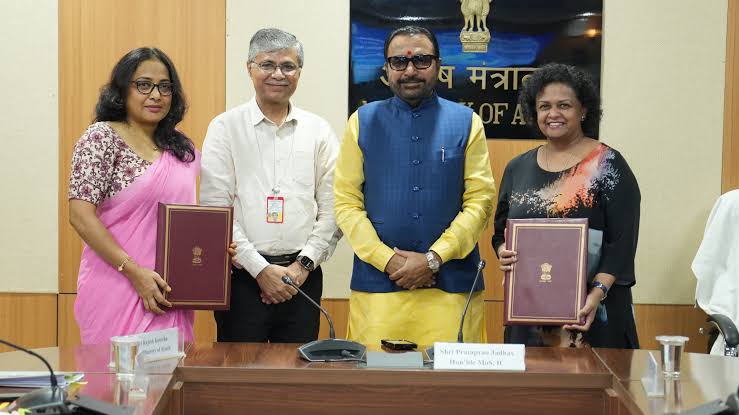
Union Minister of State (IC) for Ayush, Shri Prataprao Jadhav, described the Summit’s theme, “Restoring balance: The science and practice of health and well-being”, as timely and globally relevant. Shri Jadhav recalled the success of the first WHO traditional medicine summit held in Gujarat in 2023 and said the New Delhi gathering will serve as a milestone for mainstreaming traditional systems of medicine for public health and wellbeing.
Focus areas: evidence, digital health, biodiversity and collaboration
Officials said the Summit will prioritise scientific validation, digital health integration, biodiversity protection, and international collaboration. Dr. Poonam Khetrapal, Regional Director Emeritus of WHO South-East Asia Region and Senior Advisor on Traditional Medicine to the WHO Director-General, noted the Summit’s role in shaping a multi-year roadmap for the evidence-based and equitable integration of traditional, complementary, and Indigenous medicines into national health systems.
Speakers emphasised the need to close evidence gaps through research, robust regulation, and innovation. Delegates will discuss scalable models for integrating traditional medicine within primary health systems while ensuring safety and quality standards.
Ashwagandha spotlight and WHO-GTMC collaboration
The Ministry announced a dedicated side event on Ashwagandha titled “Ashwagandha: From Traditional Wisdom to Global Impact” to present contemporary evidence on its adaptogenic, neuroprotective and immunomodulatory properties. The session, organised in collaboration with the WHO Global Traditional Medicine Centre (GTMC), aims to bring together researchers, policymakers and clinicians to advance high-quality, evidence-based Ashwagandha products with robust safety assessments.
Shri Jadhav also highlighted India’s partnership with WHO in establishing the WHO Global Traditional Medicine Centre in Jamnagar, Gujarat a platform that underscores India’s growing role in global traditional medicine research and policy.
High-level participation and diplomatic outreach
The Curtain Raiser included senior officials from the Ministry of Ayush, the Press Information Bureau and other stakeholders. Secretary, Ministry of Ayush Vaidya Rajesh Kotecha, Ms Alarmelmangai D and Ms Monalisa Dash (Joint Secretaries), and Shri Satyajit Paul (Deputy Director General) joined the dais. The minister confirmed that the Prime Minister of India is expected to grace the Summit’s closing ceremony.
The event follows an Ambassadors’ Reception on 9–10 November 2025 where diplomats were briefed on India–WHO collaboration and the Summit’s global significance. Coordinated diplomatic outreach underlines India’s intent to elevate traditional medicine dialogues on the international stage.
Deliverables and expectations
Organisers say the Summit will produce policy recommendations, evidence roadmaps and collaboration frameworks to strengthen regulatory systems, promote sustainable use of medicinal biodiversity, and scale responsible digital health solutions. Experts are expected to propose capacity-building measures and funding pathways to accelerate research and equitable access.
As India prepares to host ministers, researchers and practitioners from across the globe, the Summit aims to translate traditional knowledge into evidence-informed policies that support resilient, inclusive and sustainable health systems.