“As a precautionary measure, we have advised the dependents of officials at the high commission and four assistant high commissions to return to India,” a source familiar with the matter said.
 Rising Security Concerns and Extremist Threats
Sources indicated that the withdrawal of families was prompted by growing concerns over the safety of diplomats’ relatives, particularly due to threats from extremist and radical groups operating in the country. The measure aligns with India’s strictest security protocols for overseas postings.
Bangladesh is now classified under one of India’s most stringent postings, comparable to Pakistan, which is currently designated as a “no children” posting, allowing spouses but not children to accompany officials.
Maintaining Full Mission Operations
Despite the withdrawal of families, India has emphasized that all missions in Bangladesh will continue to operate at full strength. Diplomats are expected to carry out their official duties without interruption, ensuring the continuity of bilateral engagement between the two countries.
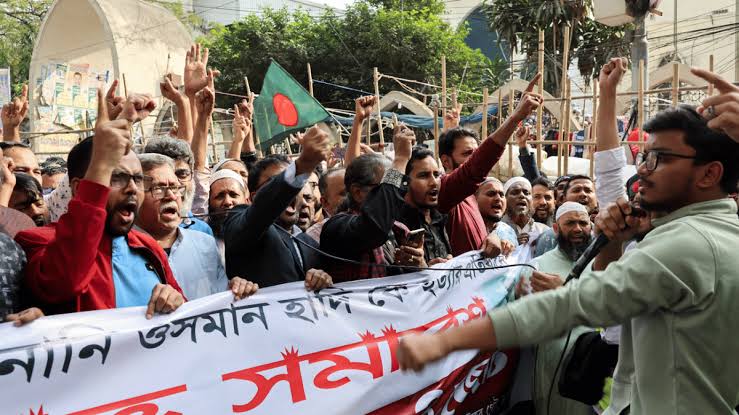
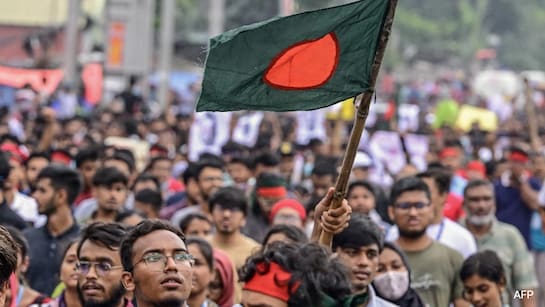
India-Bangladesh relations have been strained since the caretaker administration took office in August 2024. Violent protests outside Indian missions in Dhaka and Chattogram last month underscored the risks to diplomatic personnel.
Political and Diplomatic Context
India has also sought engagement with Bangladesh’s political opposition. External Affairs Minister S. Jaishankar attended the funeral of former premier and BNP chief Khaleda Zia and met with her son, Tarique Rahman, signaling efforts to maintain political dialogue ahead of the February 12 general elections in Bangladesh.
The decision to implement a “non-family” posting underscores India’s prioritization of diplomat safety amid a volatile security environment and a caretaker government seen as less capable of managing extremist threats.