 Why India Declined the Trophy
According to the Board of Control for Cricket in India (BCCI), the team collectively decided not to receive the trophy from Naqvi due to his political position in Pakistan. “We have decided not to take the Asia Cup trophy from the ACC chairman, who happens to be one of the main leaders of Pakistan,” said BCCI official Devajit Saikia. He added that India expected the trophy and medals would be handed over later by the organisers.
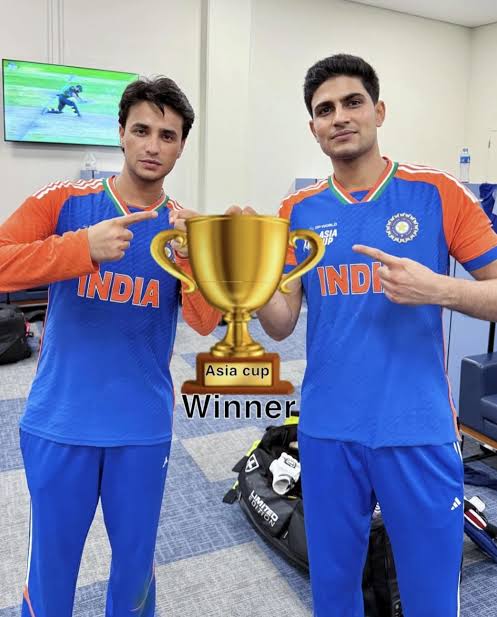
During the post-match ceremony, Naqvi appeared on stage but was avoided by Indian players, who accepted only their individual awards from other dignitaries. The trophy was quietly removed from the podium before the presentation began, leaving the champions without the silverware. Players later celebrated on the field by mimicking a trophy lift.
A Tournament Marred by Politics
This Asia Cup was clouded by political tensions even before the final. India and Pakistan have had strained relations for decades, but matters worsened after the Pahalgam terror attack in April that killed 26 tourists. The attack triggered a brief aerial conflict between the two nations, and India launched “Operation Sindoor” targeting militant sites across the border. Pakistan retaliated with its own strikes before a ceasefire was announced.
Amid this backdrop, many Indian politicians and commentators had urged the national team to boycott the Asia Cup entirely. While the BCCI decided to participate, the players made symbolic gestures of protest. They refused to shake hands with Pakistani players after matches, and Indian captain Suryakumar Yadav dedicated wins to the Indian armed forces and victims of the Pahalgam attack.
On-Field Incidents Add Fuel
Emotions ran high throughout the tournament. Pakistani bowler Haris Rauf gestured provocatively at Indian fans, referencing downed aircraft from past conflicts. Opener Sahibzada Farhan celebrated a half-century by mimicking gunfire in a move seen as insensitive given the recent terror attack. Although he avoided repeating the gesture in the final, tensions remained palpable.
Reactions After the Final
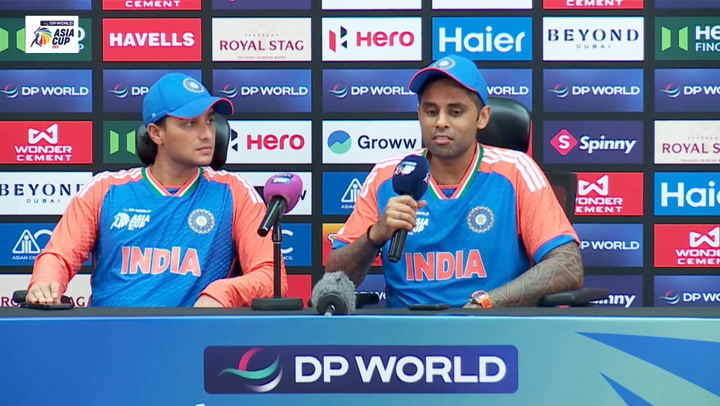
Indian skipper Suryakumar Yadav described the denial of the trophy as unprecedented. “I feel we deserved it. I’ve never seen anything like this before,” he told reporters. He stressed that it was the team’s own decision not to receive the award from Naqvi.
Meanwhile, Naqvi posted on social media criticizing India for “dragging politics into sport” and argued that his role as ACC chief required neutrality. Indian Prime Minister Narendra Modi congratulated the team with a pointed message on X (formerly Twitter), calling the win “#OperationSindoor on the games field.” Naqvi fired back with a reminder of past wars, further intensifying the diplomatic spat.
Cricket Diplomacy Fades Further
Cricket has historically served as a bridge between India and Pakistan. Leaders have used the sport to foster dialogue, most notably in the early 2000s during “cricket diplomacy” exchanges. However, experts now say the Asia Cup episode highlights how sport has become another front in the countries’ fractured relationship.
“Sports and politics are deeply intertwined in the subcontinent. Given the current climate, India’s refusal to take the trophy was not surprising,” said Mathew John Moolakkattu, a researcher on cricket diplomacy. He noted that until India sees credible steps from Pakistan on cross-border militancy, such symbolic gestures of separation will continue.
For now, the Asia Cup ends with India as undisputed winners on the field, but without a trophy in hand—an extraordinary moment that underscored how cricket, once a unifier, has become a stage for political rivalries.