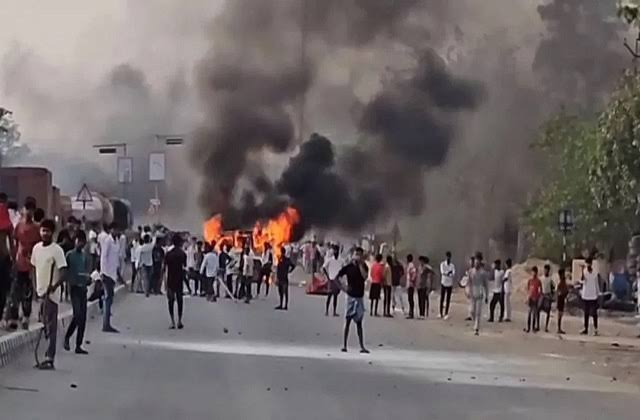
In a strong and pointed statement, India has expressed deep disappointment over comments made by Bangladeshi officials concerning the recent outbreak of communal violence in West Bengal’s Murshidabad district. The Ministry of External Affairs (MEA) urged the neighboring country to reflect on the condition of minorities within its own borders before making allegations or offering unsolicited commentary on India’s internal matters.
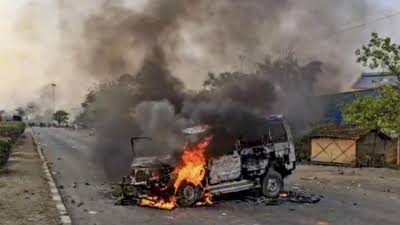 The Murshidabad unrest, which erupted on April 11 amid protests linked to the Waqf (Amendment) Act, left three people dead and many injured. Several families were displaced by the violence, with many seeking shelter in nearby districts such as Malda and Pakur in Jharkhand. The tragedy has not only shaken the local communities but also ignited political and diplomatic exchanges that threaten to overshadow the core humanitarian concerns at hand.
Responding to Bangladesh’s assertion that India must protect its Muslim population, the MEA stated that such remarks were both misleading and an unfortunate attempt to deflect attention from the serious and ongoing issues faced by minorities in Bangladesh. “Instead of indulging in virtue signaling, we urge Bangladesh to focus on ensuring safety and dignity for its own vulnerable communities,” the MEA said.
Bangladesh, for its part, has strongly denied any involvement in the Murshidabad events. Shafiqul Alam, press secretary to the Bangladeshi chief adviser, categorically refuted claims of cross-border influence and emphasized that his country was being wrongfully implicated. His comments, however, were met with skepticism in Indian diplomatic circles.
Amid the tense political atmosphere, the Calcutta High Court has taken steps to safeguard peace and order in the region. It ordered the continued deployment of central forces and emphasized that leaders from all political parties must refrain from making inflammatory speeches. The court will also monitor the rehabilitation process for those affected, underscoring the need for justice and support for the victims.
The pain and fear experienced by the residents of Murshidabad remain at the heart of this tragic episode. While political statements and diplomatic rebukes dominate headlines, the displaced families and those mourning lost loved ones are left hoping for calm, security, and a return to normalcy. It is a sobering reminder that in the middle of political rhetoric and international sparring, it is always the ordinary people who bear the heaviest burden.