 Why the Base Year Was Revised
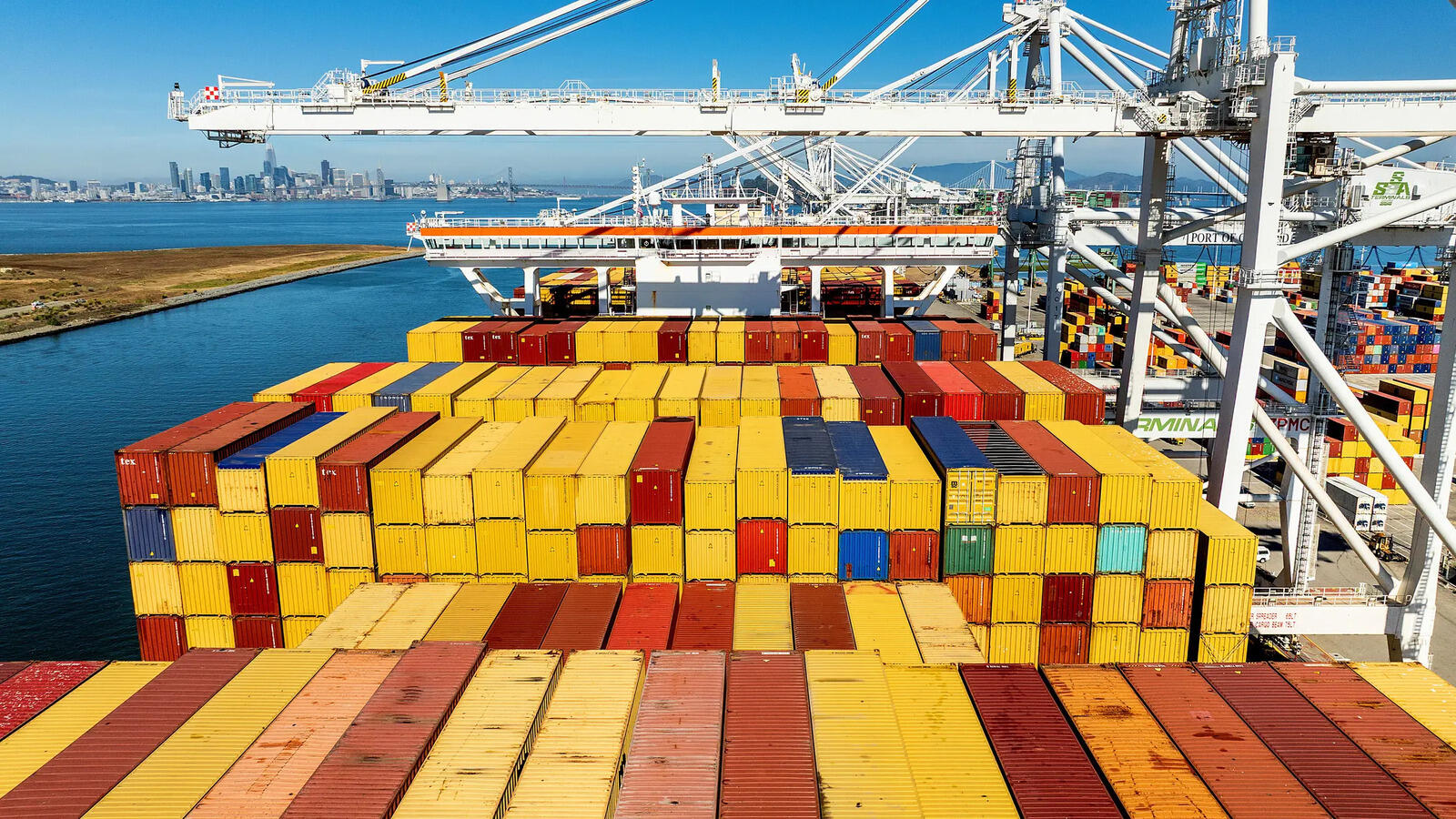
Over the past decade, India’s merchandise trade basket has undergone major structural changes. New commodities have emerged, technological advancements have reshaped global supply chains, and shifts in price structures have altered trade dynamics.
Recognising these transformations, DGCI&S constituted a committee chaired by Prof. Nachiketa Chattopadhyay of the Indian Statistical Institute, Kolkata. The panel reviewed the methodology, coverage, and weighting patterns of the indices and recommended refinements in line with international best practices.
The revised base year of FY 2022–23 (2022–23 = 100) ensures that the indices better represent current export and import trends.
Key Features of the Revised Series
The updated series incorporates a revised commodity basket at the Principal Commodity level, reflecting emerging and declining trade items. Weights have been recalibrated using trade values from the new base year to ensure accurate representation of current value shares.
Methodological improvements include a refined selection process for the common commodity basket and improved treatment of missing unit values. These steps enhance transparency and statistical robustness.
The revised indices cover monthly, quarterly, and annual Export and Import Unit Value Indices, as well as Quantity Indices. They also provide data classified by Principal Commodity, Standard International Trade Classification (SITC), and Broad Economic Categories (BEC). Additionally, bilateral and regional trade indices for India’s top 20 trading partners are included.
Understanding Unit Value and Quantity Indices
The Unit Value Index measures changes in average prices of traded goods compared to the base year. For example, an index value of 120 indicates a 20 per cent rise in average prices over the base year level.
The Quantity Index, on the other hand, reflects changes in trade volumes. It is derived by dividing the Value Index by the Unit Value Index. This helps analysts distinguish whether export growth is driven by higher prices or increased volumes.
Officials caution that unusually high or low Quantity Indices may reflect base effects, particularly when trade volumes fluctuate sharply compared to the base year.
Terms of Trade Explained
The revised framework also calculates Net, Gross, and Income Terms of Trade. Net Terms of Trade represent the ratio of export prices to import prices. An increase indicates improved purchasing power of exports relative to imports, while a decline suggests deterioration.
Gross Terms of Trade compare physical quantities of imports and exports. Income Terms of Trade combine price and quantity changes, providing a broader view of trade performance.
Importance for Policymakers and Institutions
The National Accounts Division under the Ministry of Statistics and Programme Implementation uses these indices as deflators to estimate real exports and imports for GDP calculations. The Reserve Bank of India relies on them for external sector assessment and evaluating price competitiveness.
Various ministries, research institutions, and industry bodies also depend on these indicators to assess international price trends and trade competitiveness. The revised data series is expected to enhance policy precision and economic forecasting.