
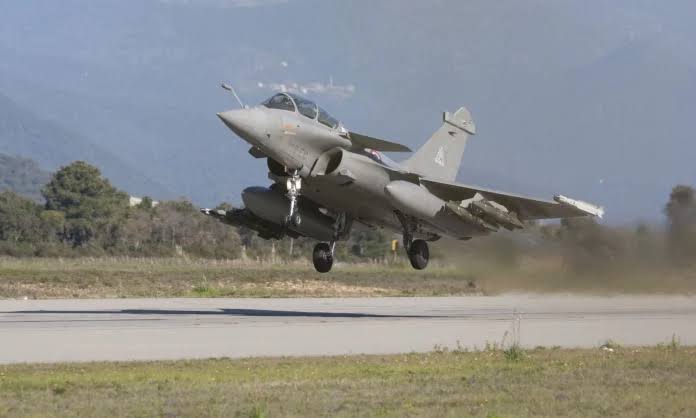
In a move laden with strategic and emotional significance, India has decided to breathe new life into the long-dormant Kailashahar airstrip in Tripura. This development comes in response to unsettling reports that Bangladesh may revive the WWII-era Lalmonirhat air base in partnership with China—a potential shift that has raised deep concern in Indian strategic circles.

The Lalmonirhat airbase, located in Bangladesh’s Rangpur division, is uncomfortably close to India—less than 20 km from the border—and lies just south of the narrow Siliguri Corridor, often referred to as the “chicken’s neck” of India. This corridor is the only land link between mainland India and its northeastern states, making it critically vulnerable to any form of foreign military presence in the vicinity. The prospect of Chinese involvement in this sensitive zone has understandably unsettled New Delhi.
If Beijing steps in to fund the restoration of the Lalmonirhat base, it is widely expected to install military assets—fighter jets, surveillance equipment, and radar systems—as part of the deal. Such a development could alter the balance of regional security and compromise India’s ability to swiftly respond to any crisis in the northeast.
In response, India is pushing ahead with the revival of Kailashahar airport, a site rich with historical memory. Once a hub for the daring Kilo Flight—Bangladesh’s first air combat unit during the 1971 liberation war—the airstrip had faded into obscurity since the 1990s. But it now stands poised for rebirth, not only as a civil airport but also as a strategically viable backup for military use in emergencies.
This isn’t merely a tit-for-tat move. It’s a gentle, yet firm, reminder of India’s long-standing support for Bangladesh, especially during its hour of need in 1971. The emotional and historical ties that bind the two nations run deep. That these bonds are now being tested by shifting political winds in Dhaka has caused unease among Indian officials and citizens alike.
Since the ousting of former Prime Minister Sheikh Hasina in August 2024 following widespread student protests, Bangladesh’s political direction has been uncertain. Nobel Laureate Mohammed Yunus, now leading the interim government, has shown a more ambiguous stance toward India and a surprising openness to China and Pakistan. The warmth that once marked Indo-Bangladesh ties has visibly cooled, and Delhi now finds itself navigating a more complicated diplomatic terrain.
Reviving Kailashahar, therefore, is not just a military strategy—it is a reflection of India’s effort to safeguard its people, its borders, and its historic partnerships. A recent visit by a high-level Airports Authority of India team to the site has confirmed that the groundwork has begun. Civil aviation might remain the airport’s primary function, but its dual-use potential is a reassuring contingency.
Amid the escalating uncertainties, this quiet yet powerful gesture from India is a call for balance in the region—an appeal to history, friendship, and mutual respect in an era where the geopolitics of proximity can rapidly turn tense.