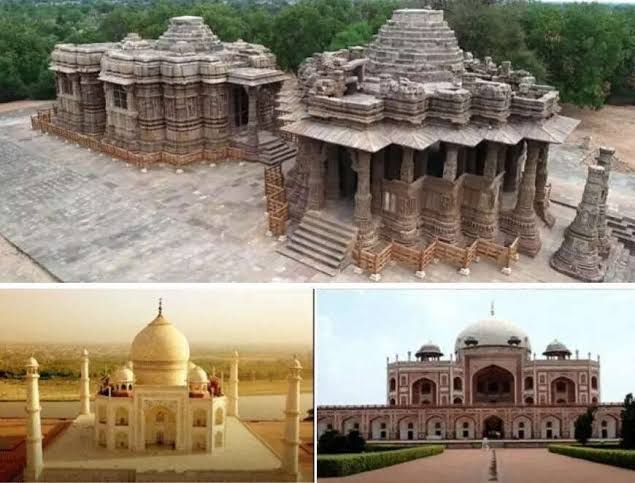
 ASI Monuments Under Continuous Conservation
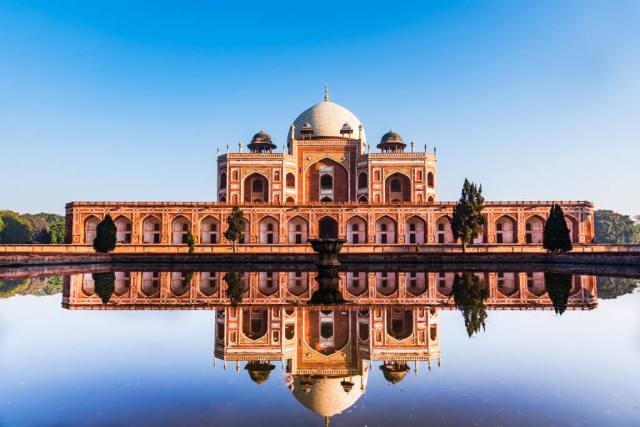
According to the Ministry of Culture, all 3,686 centrally protected monuments under ASI are maintained in a good state of preservation. Conservation work is undertaken based on the specific needs of each monument and is carried out after approval of the Annual Conservation Plan.
The ASI follows scientific conservation practices to ensure structural stability, aesthetic integrity and long-term protection of heritage sites across the country.
Museums and Preservation of Antiquities
The ASI also preserves and showcases artefacts recovered from excavations and protected monuments through 52 archaeological site museums nationwide. These museums display antiquities that provide insights into India’s ancient history, art and culture.
All artefacts are systematically documented in accession registers and digitised databases to ensure proper preservation, security and public accessibility.
National Mission on Monuments and Antiquities
The National Mission on Monuments and Antiquities (NMMA), established in 2007, plays a crucial role in creating national registers of built heritage, archaeological sites and antiquities across India.
As per official data, NMMA has documented 11,406 built heritage sites and over 12.47 lakh antiquities. This data has been made publicly accessible through the NMMA portal, strengthening transparency and academic research.
Digitisation Through JATAN Software
The Ministry of Culture has adopted “JATAN” software to digitise museum collections, including coins, manuscripts, paintings, sculptures, decorative arts and archaeological artefacts.
So far, eight national-level museums and two ASI museums have been digitised under this initiative, in collaboration with C-DAC Pune. These collections are accessible through the unified portal museumsofindia.gov.in, allowing citizens and researchers to explore India’s heritage online.
Promotion of Folk Art and Intangible Heritage
To preserve and promote India’s diverse folk and tribal traditions, the Government has established seven Zonal Cultural Centres (ZCCs) headquartered at Patiala, Nagpur, Udaipur, Prayagraj, Kolkata, Dimapur and Thanjavur.
These centres regularly organise cultural programmes across the country, providing national platforms to folk artists. Artists are paid honorarium along with travel, accommodation and other allowances to support their livelihoods.
Rashtriya Sanskriti Mahotsav Outreach
The Ministry of Culture, through the ZCCs, has organised Rashtriya Sanskriti Mahotsavs (RSMs) to celebrate India’s cultural diversity and reconnect younger generations with traditional art forms.
Since 2015, 14 national-level and four zonal RSMs have been held, with participation of over 12,500 artists. These festivals have emerged as major platforms for showcasing India’s soft power and unity in diversity.
Legal Framework for Heritage Protection
Monuments and sites are declared of national importance under the Ancient Monuments and Archaeological Sites and Remains (AMASR) Act, 1958. Proposals are evaluated by the Technical Evaluation Committee of ASI before public consultation and final notification by the Central Government.
This structured process ensures transparency and scientific assessment in heritage protection.