
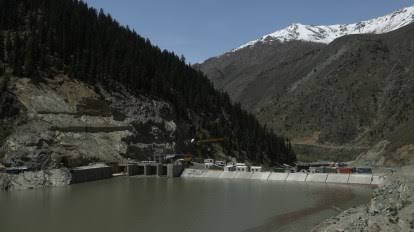
New Delhi: In the wake of India’s decision to place the Indus Waters Treaty (IWT) in abeyance, the government has officially requested the World Bank’s neutral expert to pause proceedings related to the Kishanganga and Ratle hydropower projects. These projects, located in Jammu and Kashmir, have been points of contention between India and Pakistan for years.
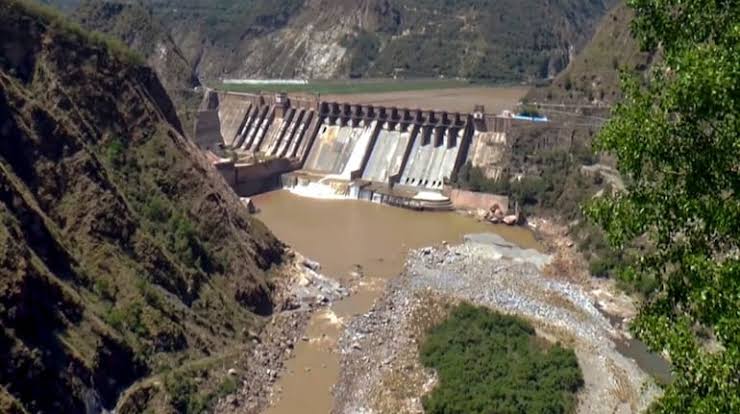

Top government sources revealed that India communicated directly with Michel Lino, the neutral expert appointed by the World Bank. The request seeks a temporary halt to all dispute resolution processes until the broader diplomatic context stabilizes. The Ministry of External Affairs has reiterated that it will not engage with Islamabad on the matter while the treaty remains suspended.
Pakistan Opposes the Move
Reports indicate that Michel Lino has shared India’s request with Pakistan, which has formally opposed the pause. Pakistan has long claimed that both the Kishanganga and Ratle projects violate the IWT’s technical design provisions, particularly regarding water flow and dam height.
Background: The Projects in Question
The Kishanganga project, built on a tributary of the Jhelum River, began operations in 2018 and has a capacity of 330 MW. The Ratle project, located on the Chenab River, is a 850 MW hydropower venture under construction. Both projects are vital to India’s energy goals in the Himalayan region and are funded by domestic agencies.
Pakistan raised objections under Article IX of the treaty, seeking dispute resolution via both neutral expert and court of arbitration mechanisms. This dual-track approach has caused procedural confusion at the World Bank level.
India’s Rationale Behind Treaty Suspension
India placed the treaty in abeyance earlier this year, citing Pakistan’s “consistent misuse” of the mechanism and lack of constructive engagement. Experts suggest this move signals a more assertive water diplomacy stance, especially given ongoing border and security tensions.
“It is neither sustainable nor meaningful to continue technical dialogues when the political context remains volatile,” a senior official stated, requesting anonymity.
Impact on Regional Dynamics
Analysts believe this pause could stall multilateral water governance mechanisms in South Asia. At the same time, it might offer India more strategic space to complete its infrastructure projects in Jammu and Kashmir without immediate international scrutiny.
Way Forward
India is expected to review its position based on future diplomatic developments. The World Bank, as the treaty’s designated facilitator, has not issued a public statement yet but is reportedly assessing procedural implications.
Meanwhile, both projects continue to be monitored by India’s Central Water Commission and Ministry of Jal Shakti for compliance with international norms, regardless of external objections.