
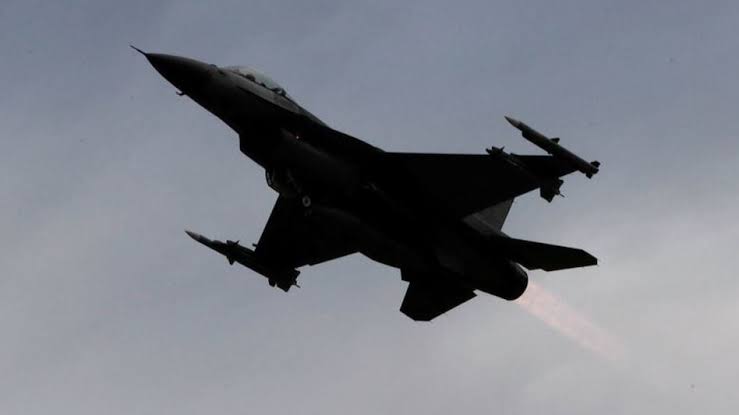
In a major escalation of hostilities between India and Pakistan, an F-16 fighter jet of the Pakistan Air Force was shot down by an Indian surface-to-air missile system, as confirmed by Indian defence sources. The incident took place near the Sargodha air base in Pakistan’s Punjab province, a key military installation. The jet had reportedly taken off with the intent to strike Indian targets, coming amidst a wave of cross-border attacks involving drones and missiles.
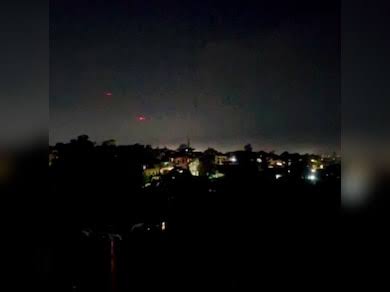

The situation on the ground has grown tense, especially in border areas where blackouts and air raid sirens have been enforced to safeguard civilian lives. Towns such as Chandigarh, Mohali, Pathankot, and parts of Rajasthan are witnessing precautionary measures as Indian forces remain on high alert. Residents in these regions have been advised to stay indoors, and shops have closed early, highlighting the emotional strain that such military escalations inflict on everyday life.
In the early hours of the conflict, India’s advanced defence systems, including the powerful S-400 missile platform and drone-countermeasure networks, were deployed to intercept numerous incoming threats. The Integrated Defence Staff (IDS) confirmed that multiple military installations — including those in Jammu, Pathankot, and Udhampur — were targeted, but all threats were neutralised without loss of life or infrastructure.
The retaliation came as Pakistan launched a coordinated attempt to target at least 15 Indian cities using drones and missiles. India responded by not only thwarting these attacks but also disabling key Pakistani military assets, including an air defence site in Lahore using HARPY drones and precise missile strikes.
Visuals from border areas like Jaisalmer painted a stark picture of the night sky lit by drones and countermeasure trails, as Indian air raid sirens wailed and artillery fire echoed in the distance. The haunting scenes remind many of past conflicts, stirring memories of the 1965 and 1971 wars when Sargodha air base played a central role in Pakistan’s aerial operations.
This recent escalation is the most intense since the 1971 war, reviving fears of prolonged conflict between two nuclear-armed neighbours. It underscores the fragility of peace in the region and the urgent need for responsible diplomacy. The emotional toll on civilians, the constant fear faced by border communities, and the risk of miscalculation are stark reminders of why restraint and dialogue must be the path forward.
While India has effectively neutralised the immediate threat and remains firmly in control of the situation, the international community is closely watching, with calls already emerging for immediate de-escalation. Amid this turmoil, the human desire for peace and safety continues to resonate loudly — a hope that leaders on both sides must not ignore.