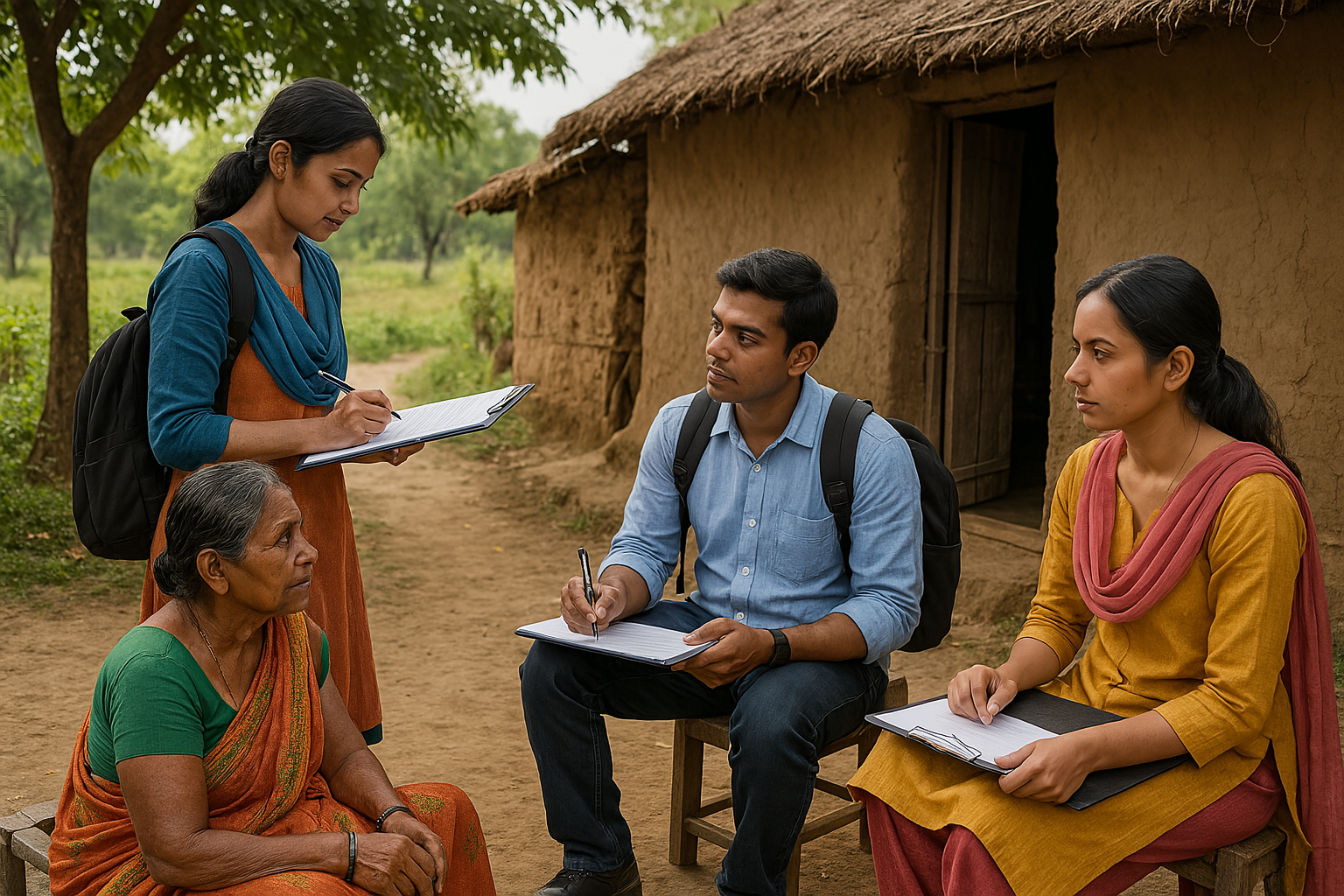
Under the National Cultural Exchange Programme, artists from one zone are invited to participate in cultural activities hosted by ZCCs in other zones. This exchange-based model ensures that traditional art forms, folk performances, and regional customs travel beyond geographical boundaries.
 Wide National Footprint Across Major Events
During 2024–25, Zonal Cultural Centres actively participated in several high-profile national events, including Mahakumbh-2025, Kashi Tamil Sangamam, Rashtriya Ekta Diwas, and the Vande Bharatam programme. These platforms enabled cultural interaction on an unprecedented scale.
Such participation ensured that cultural performances reached diverse audiences, including pilgrims, tourists, students, and local communities. The initiative not only showcased artistic excellence but also encouraged mutual respect and understanding among different cultural traditions.
Significant Financial Support for Cultural Promotion
The Union Government allocated and released ₹11,121.65 lakh to Zonal Cultural Centres during the year to organise these festivals. The funding supported logistics, artist honorariums, stage arrangements, travel, and promotional activities.
This sustained financial backing underlines the Centre’s commitment to preserving and promoting India’s intangible cultural heritage. It also reflects a policy focus on decentralising cultural activities beyond metropolitan centres.
Massive Artist Participation Nationwide
A total of 55,519 artists and performers took part in various cultural activities and festivals organised by the ZCCs during the year. The large participation highlights the programme’s reach and inclusivity.
Among them, 2,323 artists hailed from Odisha, reflecting the state’s active contribution to the national cultural landscape. Performers represented a wide range of disciplines, including folk music, classical dance, tribal art, theatre, and traditional crafts.
Promoting Cultural Understanding and Integration
One of the key objectives of the National Cultural Exchange Programme is to familiarise citizens with art forms from regions other than their own. Audiences attending these festivals get the opportunity to experience diverse languages, costumes, music styles, and performance traditions.
Officials note that such exposure fosters cultural sensitivity and national integration, especially among younger generations. By encouraging cultural dialogue, the programme strengthens emotional bonds across regions.
Government’s Vision for Cultural Unity
The information was shared by Union Minister for Culture and Tourism Shri Gajendra Singh Shekhawat in a written reply to a question in the Lok Sabha. The Minister emphasised that cultural exchange plays a vital role in reinforcing India’s civilisational ethos.
The Ministry of Culture continues to view Zonal Cultural Centres as key instruments for grassroots-level cultural engagement. Their activities are aligned with the broader vision of “Ek Bharat, Shreshtha Bharat,” which seeks to promote unity through shared heritage.