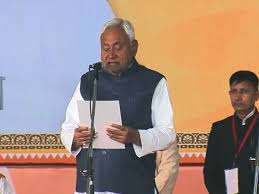
In a significant stride toward promoting sustainability and resource efficiency, Union Minister of Coal and Mines, Shri G. Kishan Reddy, launched a dedicated Non-Ferrous Metal Recycling Website and Stakeholders’ Portal today. The initiative, developed under the National Non-Ferrous Metal Scrap Recycling Framework, reflects the government’s commitment to building a structured and transparent recycling ecosystem in India.
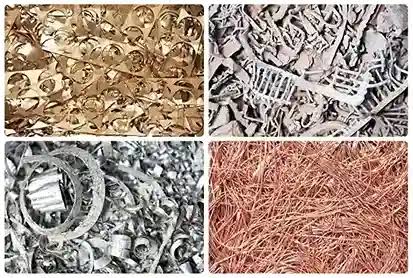
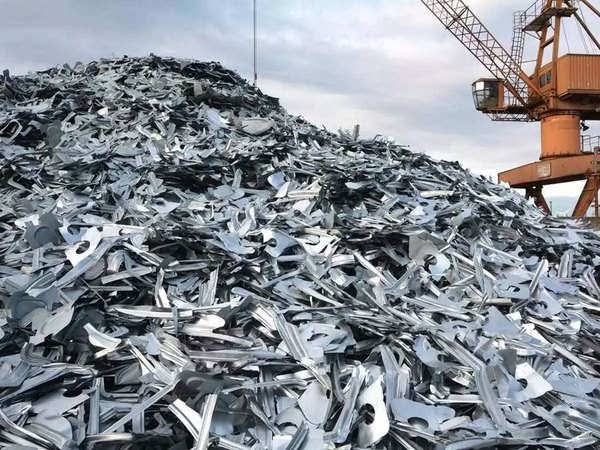
The launch event, held in the presence of Minister of State Shri Satish Chandra Dubey and senior officials from the Ministry of Mines and the Jawaharlal Nehru Aluminium Research Development and Design Centre (JNARDDC), marks an important moment for the non-ferrous metal sector. The newly launched portal—accessible at https://nfmrecycling.jnarddc.gov.in—is poised to serve as a national platform connecting key stakeholders in the recycling of aluminium, copper, lead, zinc, and other critical elements.
With a strong focus on inclusivity and long-term sustainability, this digital platform aims to improve data visibility and foster evidence-based policymaking. It offers real-time insights into the sector’s landscape, enabling recyclers, dismantlers, aggregators, industry bodies, and research institutions to work collaboratively toward a more efficient and environmentally responsible value chain.
Union Minister Reddy, during his address, emphasized India’s ongoing transition toward a circular economy. He noted that this portal would help bridge existing gaps and unlock the full potential of the non-ferrous metal industry. “This is more than a technological intervention—it is a step toward securing a cleaner, greener future for the generations to come,” he said with conviction.
Minister of State Dubey also expressed hope that the portal would increase industry participation by fostering transparency and providing critical data to support better policy decisions.
The portal will act as an information and awareness hub, featuring national statistics, policy developments, infrastructure highlights, and government initiatives. Additionally, it allows for the registration of industry participants and the collection of valuable data on raw material usage, recycling capacity, technology deployment, and employment trends. These insights are expected to guide future actions in research, infrastructure, and skill development.
With features like a national registry, tools for tracking material flows and technology adoption, and mechanisms for performance benchmarking, the portal is positioned to become a cornerstone of India’s recycling ecosystem. It also supports the creation of standards, certification systems, and awareness programs aimed at strengthening the sector holistically.
This thoughtful initiative is a testament to the government’s dedication to sustainable development. It not only aligns with the broader vision of a circular economy but also acknowledges the essential role of every stakeholder in protecting our environment and making resource efficiency a national priority.