
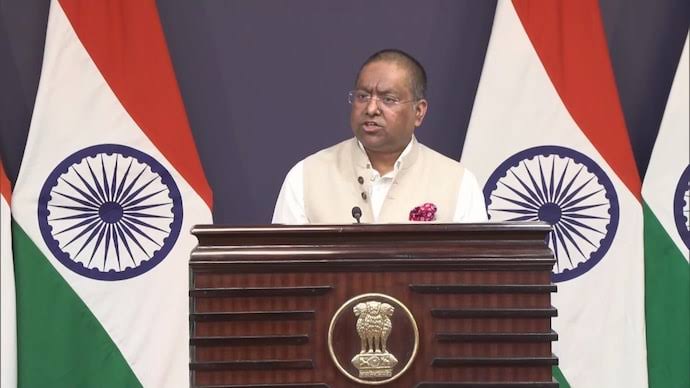
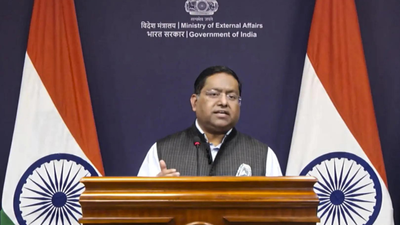

Addressing reporters, Jaiswal pointed to a history of covert activity involving smuggling, export-control breaches and the notorious AQ Khan proliferation network. “Clandestine and illegal nuclear activities are in keeping with Pakistan’s history, that is centred around decades of smuggling, export control violations, secret partnerships, AQ Khan network and further proliferation,” he said.
The MEA statement made clear India has long raised these concerns with the international community and that Trump’s comments only underscore why global vigilance remains necessary.
What Trump said
In a televised interview with CBS News’ 60 Minutes, Donald Trump said several nations, including Pakistan, had been conducting underground nuclear tests while avoiding publicity. He suggested these tests were small and concealed “you just feel a little vibration,” he told the programme and linked them to a need for renewed attention on verification.
Pakistan’s reaction
Islamabad quickly rejected Trump’s assertion. Pakistani officials described the claim as unfounded and defensive, noting Pakistan had neither announced nor admitted to renewed testing. The country emphasised that it is not the first in the region to conduct tests historically, and said such allegations were politically charged.
Why the past matters: AQ Khan and proliferation concerns
Experts and diplomats say Pakistan’s credibility on non-proliferation was severely damaged by the AQ Khan saga in the early 2000s, when a clandestine network transferred nuclear know-how and equipment to states such as Iran, Libya and North Korea. That episode remains a reference point for critics who warn of weak export controls and non-transparent practices.
International implications and verification
If nations are testing underground without transparency, analysts warn it would undermine arms-control regimes and erode trust in mechanisms like the Comprehensive Nuclear-Test-Ban Treaty (CTBT), which Pakistan has signed but not ratified. Calls for stronger verification measures and multilateral pressure are likely to resurfaces in diplomatic circles following the claims.
India’s stance and diplomatic route
India while not a CTBT signatory historically in the same way as some states has repeatedly flagged proliferation concerns and insisted on a rules-based global order. The MEA reiterated that New Delhi has consistently drawn international attention to Pakistan’s record and urged responsible international action when credible evidence emerges.
What to expect next
Diplomatic exchanges are likely to intensify in capitals and multilateral institutions as countries seek clarification. Independent technical verification seismic monitoring and international oversight would be required to determine whether underground tests occurred, experts say.
Fast facts
- Event: MEA responds to Donald Trump’s claim on Nov 2, 2025.
- Core issue: Alleged secret underground nuclear tests by Pakistan.
- Context: AQ Khan network and documented proliferation incidents.
- Next steps: Calls for verification and international scrutiny likely.