 42 Million Thyroid Patients Demand Policy Attention
Citing estimates that nearly 42 million Indians live with thyroid disorders, Dr. Jitendra Singh said the scale of the problem warrants a coordinated national response. He noted that hypothyroidism alone affects around 11 percent of India’s adult population, with a large proportion remaining undiagnosed due to lack of awareness and routine screening.
The Minister drew special attention to thyroid disorders during pregnancy, warning that undetected hypothyroidism can lead to congenital thyroid conditions and irreversible neurodevelopmental damage in children. Early diagnosis, he said, is essential to protect future generations and preserve India’s human capital.
Doctors as Nation Builders
Calling medical professionals “true nation builders,” Dr. Singh said every timely diagnosis and effective intervention directly contributes to India’s development journey. He urged endocrinologists and public health experts to intensify awareness campaigns and push for early screening strategies, particularly among women and young adults.
He observed that while diseases such as diabetes and obesity receive substantial public attention, thyroid disorders often remain under-recognised despite their high prevalence. Addressing this imbalance, he said, requires multidisciplinary collaboration across medical science, life sciences, and public health systems.
Decade of Reforms Strengthen India’s Biopharma Ecosystem
Placing the discussion in the context of the Modi government’s reforms over the past decade, Dr. Jitendra Singh said India is steadily emerging as a global hub for affordable therapeutics and diagnostics. He highlighted efforts to break institutional silos and foster collaboration between research institutions, industry, startups, and academia.
Innovation, he stressed, must move beyond laboratory breakthroughs to market-ready solutions. Early industry participation in research enhances sustainability and ensures that scientific advances translate into accessible healthcare solutions.
Biopharma Shakti Mission and Indigenous Breakthroughs
Referring to recent Union Budget announcements, the Minister spoke about the Biopharma Shakti Mission, backed by substantial financial support to strengthen indigenous drug and medical device development. He cited major achievements such as India’s first indigenously developed antibiotic for resistant infections, successful gene therapy trials for haemophilia, and the rollout of the DNA vaccine during the COVID-19 pandemic.
These milestones, he said, demonstrate India’s growing capacity to deliver cost-effective and globally competitive healthcare solutions, particularly in the fight against non-communicable diseases.
Research Ecosystem on a Stronger Footing
Dr. Singh also highlighted the establishment of the Anusandhan National Research Foundation (ANRF) and the ₹1-lakh-crore Research Development and Innovation framework aimed at strengthening India’s scientific ecosystem. He noted a sharp rise in patent filings, high-impact research publications, and startup activity as indicators of a transformed research landscape.
With growing participation from private and philanthropic sectors, he said India is better positioned than ever to address complex health challenges while advancing self-reliance.
Thyroid Health as a Development Priority
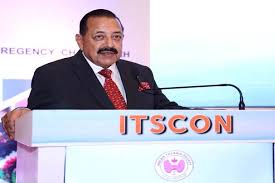
Concluding his address, Dr. Jitendra Singh expressed confidence that with collective resolve, scientific integration, and forward-looking collaboration, India can effectively manage the growing burden of thyroid disorders. Integrating thyroid health into national development discourse, he said, is critical to safeguarding productivity and ensuring sustainable growth.
The conference in Chandigarh brought together leading endocrinologists, nuclear medicine specialists, surgeons, and researchers from across the country, reinforcing the call for coordinated national action.