Summit aims and agenda
The Summit organised in collaboration with the World Health Organization (WHO) and the Ministry of Ayush will focus on scientific validation, innovation, digital health, biodiversity protection and strategies to integrate traditional medicine into national health systems. Delegates will participate in ministerial dialogues, scientific panels, exhibitions and knowledge-sharing sessions designed to shape future policy and research priorities.
 Curtain-raiser highlights India’s leadership
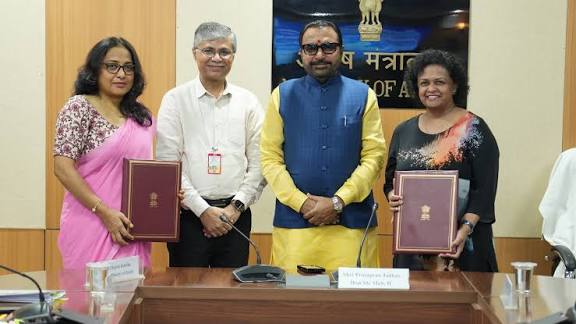
The Ministry of Ayush held a Curtain Raiser on December 8, 2025, chaired by Shri Prataprao Jadhav, Union Minister of State (IC) for Ayush. In his address, Shri Jadhav underscored India’s expanding leadership in traditional medicine and the country’s role in strengthening scientific credibility and global cooperation.
Research institutions and clinical progress
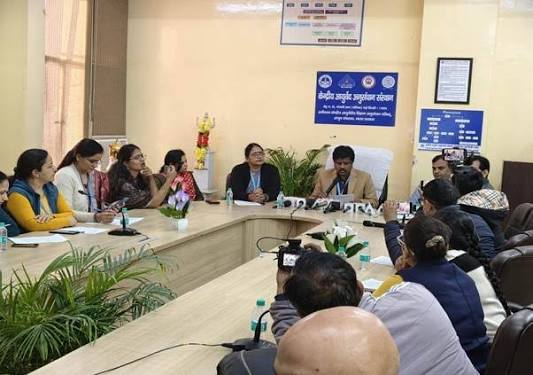
In the national capital region, the Central Ayurveda Research Institute (CARI), Delhi part of the Central Council for Research in Ayurvedic Sciences (CCRAS) was highlighted as a key pillar of Ayurvedic research and clinical advancement. Dr. Hemanta Panigrahi, CARI’s Institute-in-Charge, briefed attendees on integrated research programmes spanning clinical, fundamental and policy research that address lifestyle and non-communicable diseases. These efforts, he noted, align with national priorities for evidence-driven traditional healthcare.
Why the Summit matters
The 2nd WHO Global Summit on Traditional Medicine will provide a neutral, high-level platform to bridge traditional knowledge and modern science. Participants are expected to discuss standards for clinical evidence, methodologies for multi-disciplinary research, digital tools for data sharing and strategies to protect biodiversity and traditional knowledge while promoting access and equity in healthcare delivery.
Expected outcomes and global cooperation
Organisers aim to produce actionable recommendations that strengthen the integration of validated traditional medicine practices within public health systems. The Summit is likely to catalyse new international research partnerships, capacity-building initiatives and pilot projects that apply traditional medicine insights to current public health challenges, including prevention and management of non-communicable diseases.
What India brings to the table
India’s contribution includes decades of clinical experience in Ayurveda, a growing body of peer-reviewed research, institutional capacity through CCRAS and allied organisations, and national programmes aimed at improving quality, safety and regulatory frameworks for traditional medicinal products. The Summit will showcase India’s research institutes, training programmes and digital initiatives that support evidence generation and wider adoption.
Participation, exhibition and public engagement
Alongside ministerial meetings and expert panels, the Summit will feature exhibitions by research councils and institutions, providing a forum for showcasing clinical trials, digital tools and integrative healthcare models. Stakeholders from academia, industry, civil society and member states will have opportunities to form collaborations and launch joint initiatives.