India’s Oil Strategy
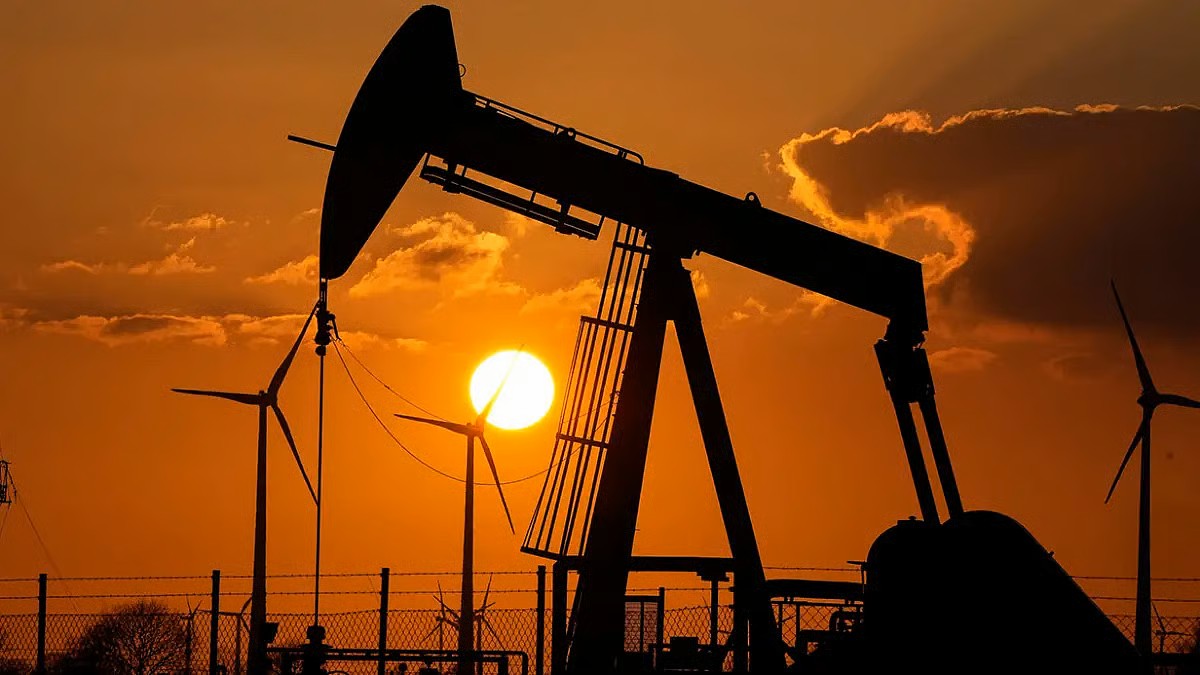
India, the world’s third-largest oil importer, has emerged as the biggest buyer of Russian seaborne crude since the Ukraine war disrupted global energy markets. Discounted Russian barrels have allowed New Delhi to cushion its import bill and control domestic fuel prices. Officials have consistently maintained that as long as Russian oil remains financially viable, India will continue its purchases.
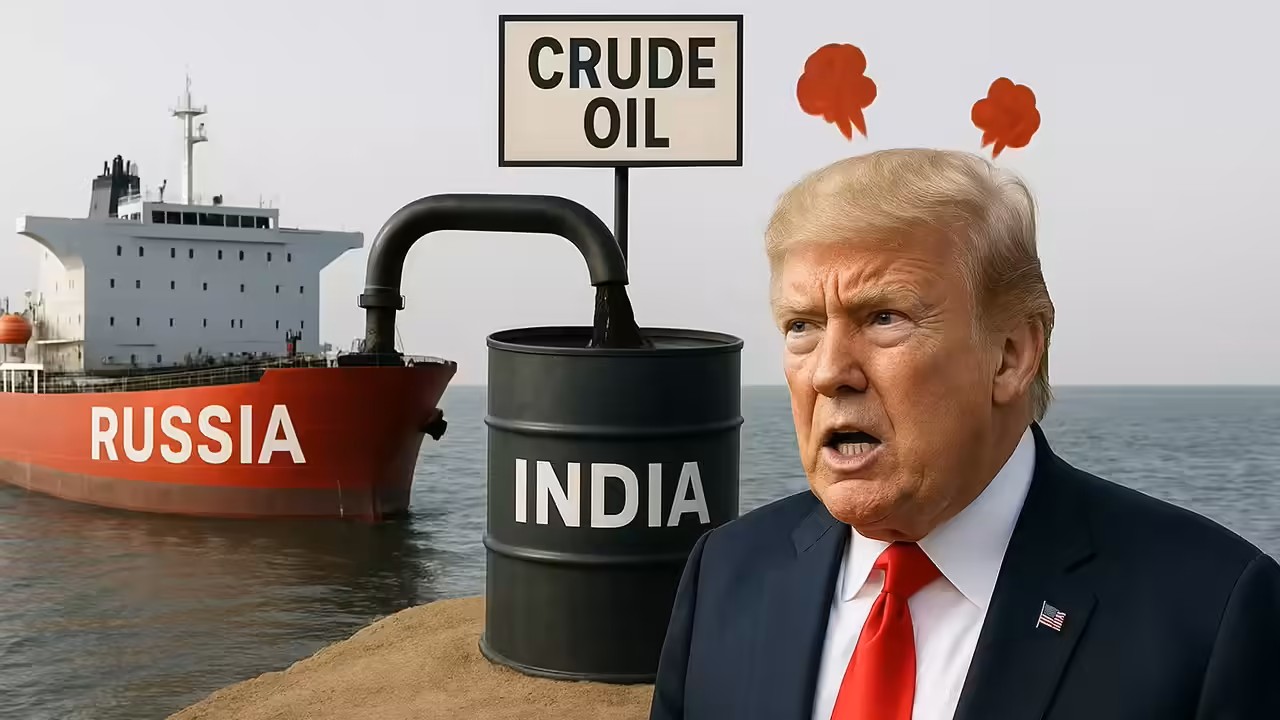
The stance comes despite repeated warnings from Washington. The Trump administration has linked India’s imports to its broader geopolitical rivalry with Moscow and Beijing, urging New Delhi to halt trade with Russia.
 US Tariff Escalation
The White House recently doubled tariffs on Indian exports to 50 percent, one of the steepest duties imposed on any trading partner. According to Commerce Secretary Howard Lutnick, the move was aimed at compelling India to scale back its energy cooperation with Russia. Over 55 percent of India’s exports to the US are likely to be affected.
Analysts, including Citigroup Inc., estimate that the tariff escalation could shave 0.6 to 0.8 percentage points off India’s GDP growth this year. The Finance Minister confirmed that the government is preparing a relief package to assist exporters hit by the tariff hike. “We can’t leave our exporters high and dry,” she said, hinting at upcoming measures to reduce the burden.
Geopolitical Tensions
Adding to the friction, President Donald Trump accused India of acting as a “laundromat” for Kremlin energy trade — remarks Sitharaman described as “astonishing” in diplomatic circles. She stressed that such language undermines constructive dialogue and will be addressed through proper diplomatic channels.
Meanwhile, Prime Minister Narendra Modi recently held talks with Russian President Vladimir Putin and Chinese President Xi Jinping at the Shanghai Cooperation Organisation (SCO) summit in Tianjin. The discussions focused on energy cooperation, trade expansion, and security ties, signaling closer engagement among the three nations.
India-China Trade Angle
On the issue of economic ties with China, Sitharaman acknowledged that while challenges remain, New Delhi and Beijing must work towards resolving market access restrictions and non-tariff barriers. “A long-term trading partnership will take time but requires sincere engagement,” she said, adding that India could consider easing some investment curbs if reciprocity is ensured.
Experts believe that New Delhi is attempting to balance strategic autonomy by safeguarding its economic interests while keeping diplomatic doors open with major powers.
Balancing Economics and Diplomacy
Despite tariff setbacks, India’s energy policy reflects its longstanding principle of non-alignment and strategic autonomy. The country has consistently argued that energy security is a sovereign matter, and affordable crude is essential to its economic resilience.
As global power dynamics shift, India’s ability to withstand external pressure while protecting national interests will be closely watched by allies and competitors alike. For now, the Finance Minister’s words make it clear: Russian oil will continue to flow into India.