


The generation expansion planning exercise undertaken by the CEA factors in multiple parameters, including capital costs, fuel costs, operations and maintenance expenses, plant life, and operational characteristics of different technologies. The study assesses coal, hydro, solar, wind, nuclear, and energy storage options to determine the most efficient combination of resources for India’s future power system.
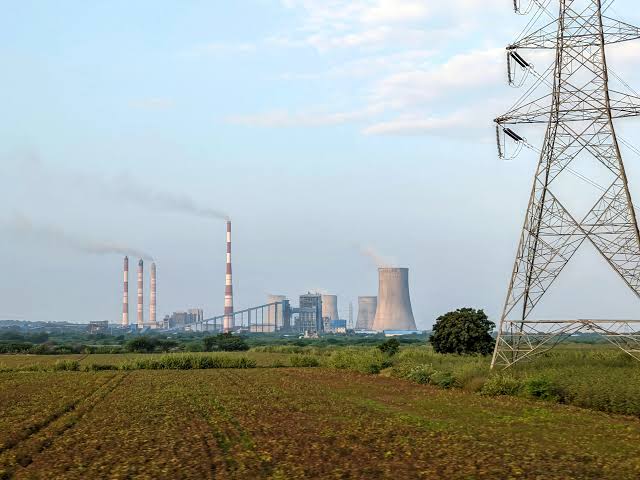
According to the study, thermal power capacity will need to rise sharply from the existing installed capacity of 2,11,855 MW recorded as of March 31, 2023. To bridge this gap, the Ministry of Power has envisaged the addition of at least 97,000 MW of new coal and lignite-based thermal capacity over the next decade.
Progress on Capacity Addition
The government highlighted that significant progress has already been made toward meeting this requirement. Since April 2023, thermal power projects with a combined capacity of about 17,360 MW have been commissioned across the country.
In addition, projects totalling 39,545 MW of thermal capacity are currently under construction. This figure includes 4,845 MW from stressed thermal power projects that have been revived to augment generation capacity. Contracts for another 22,920 MW have been awarded and are expected to move into the construction phase in the near term.
Beyond these, coal and lignite-based projects amounting to 24,020 MW have been identified as candidate capacity and are presently at various stages of planning and approvals.
Plant Load Factor Outlook
The projected Plant Load Factor (PLF) of coal-based power plants is estimated to be around 61 percent by 2031–32. However, the government clarified that actual PLF levels will depend on several variables, including the pace of electricity demand growth and the extent to which renewable energy and storage capacities materialise.
The expansion planning model compares new coal-based plants with renewable energy sources such as solar and wind, along with storage solutions. This comparative assessment considers differences in cost structures, generation profiles, fuel availability, dispatch characteristics, and storage duration requirements.
Cost and Tariff Comparison
The cost of electricity generated from coal-based plants varies depending on factors such as the technology used, distance from coal mines, and the remaining operational life of the plant. Sub-critical and super-critical technologies also have different cost implications.
The all-India weighted average rate of sale of power from existing coal-based plants over the past three years has ranged between ₹4.36 per kilowatt-hour (kWh) and ₹4.58 per kWh, with the lowest tariff recorded at around ₹1.52 per kWh.
For new coal-based thermal projects awarded through the tariff-based competitive bidding route in 2025, discovered tariffs range between ₹5.38 and ₹6.30 per kWh.
Renewables and Grid Requirements
In comparison, firm and dispatchable renewable energy (FDRE) projects awarded by the Solar Energy Corporation of India in August 2024 have discovered tariffs in the range of ₹4.98 to ₹4.99 per kWh.
However, the government cautioned against making direct tariff comparisons between coal-based thermal power and FDRE projects. The two categories differ significantly in terms of operational flexibility, fuel cost risks, dispatch obligations, and contractual frameworks. Each serves distinct system requirements within the national power grid.
Parliamentary Disclosure
The information was shared by Minister of State for Power Shripad Naik in a written reply in the Rajya Sabha. The government reiterated that while renewable energy expansion remains a priority, thermal power will continue to play a critical role in ensuring reliable, round-the-clock electricity supply during the energy transition.