
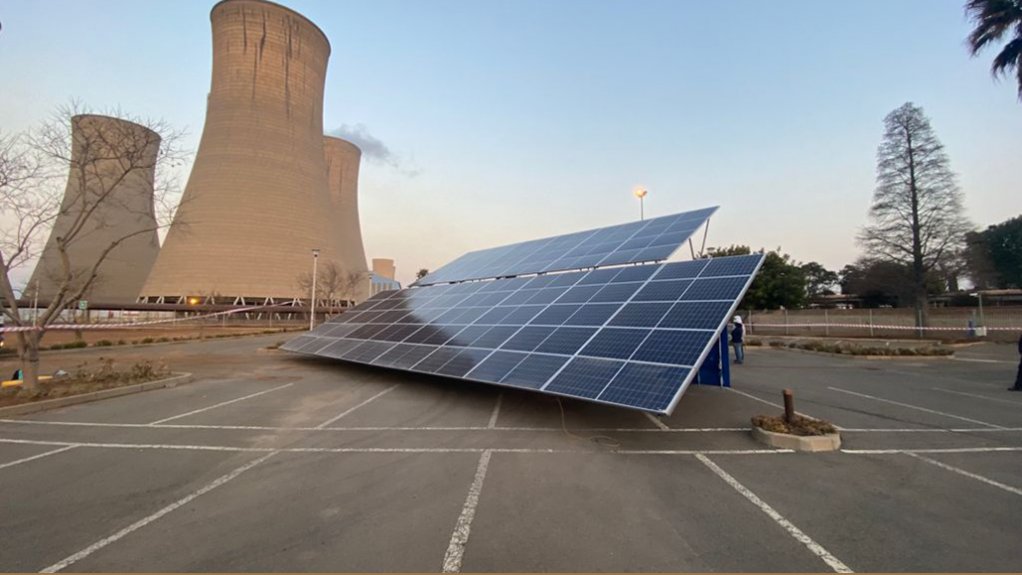
Balancing Solar Surge with Reliable Power
The initiative comes as India rapidly scales up renewable energy generation, particularly solar. With a target of achieving 500 gigawatts (GW) of non-fossil fuel capacity by 2030, the government faces the challenge of maintaining grid stability. During the day, when solar power peaks, coal plants are forced to reduce output, but they remain crucial for meeting evening demand once solar generation declines.
“At times there are only two choices. Either you shut down the coal plant during excess solar generation or risk losing thermal capacity in the evening, which we don’t want,” Central Electricity Authority (CEA) Chairman Ghanshyam Prasad explained on the sidelines of the PowerGen India 2025 event in New Delhi.

The battery systems will enable coal plants to store excess energy during peak solar hours and release it later in the day when demand spikes. This approach allows coal plants to operate at more stable levels, reducing wear and tear, cutting operational costs, and extending their lifespans. It also minimizes the need to frequently ramp generation up or down, a process that strains both equipment and finances.
NTPC has already issued a tender to set up 1.7 GW of battery energy storage across 11 coal-fired plants. This marks one of the most significant steps India has taken to integrate advanced storage technologies directly into its thermal fleet.
Coal Remains Vital to Energy Security
Despite aggressive renewable targets, coal remains the backbone of India’s power system. The government has announced plans to increase coal-based capacity by nearly 97 GW by 2035, taking the total installed capacity to around 307 GW. Officials argue that a robust coal fleet is essential for providing round-the-clock electricity to a growing economy.
Industry experts say blending battery storage with coal plants can bridge the gap between clean energy goals and the reality of India’s rising power demand. While battery technology is often associated with renewable projects, using it alongside coal is a unique approach tailored to India’s needs.
India’s Energy Transition Path
Prime Minister Narendra Modi recently announced that India has achieved its clean energy target ahead of schedule, highlighting the government’s commitment to green growth. However, the latest experiment shows that India is taking a pragmatic approach—ensuring energy reliability while transitioning to renewables.
Analysts note that battery storage at coal plants could become a model for other developing nations facing similar challenges. It offers a potential pathway where fossil fuel infrastructure supports, rather than hinders, renewable integration.