

The interim trade framework covers several high-impact sectors. India will lower duties on U.S. products such as dried distillers’ grains, red sorghum for animal feed, tree nuts, fresh and processed fruits, soybean oil, wine, spirits, and other agricultural commodities. Industrial goods from the U.S. will also receive enhanced access to the Indian market.
Subject to the successful conclusion of the interim agreement, tariffs will be reduced to zero on a wide range of goods, including generic pharmaceuticals, gems and diamonds, and aircraft parts. These measures are expected to significantly improve India’s export competitiveness, particularly for labour-intensive sectors.
$500 Billion Import Commitment and Strategic Sectors
As part of the framework, India has expressed its intent to purchase $500 billion worth of U.S. goods over the next five years. These imports will span energy products, aircraft and aircraft parts, precious metals, technology items, and coking coal.
The U.S. Trade Representative described the agreement as a major expansion of market access for American farmers and producers, while Indian officials highlighted the long-term benefits for domestic manufacturing, technology partnerships, and supply chain resilience.
Protection for Sensitive Agricultural Products
Commerce and Industry Minister Piyush Goyal clarified that India has fully protected sensitive agricultural and dairy products under the interim trade framework. Items such as wheat, rice, maize, poultry, milk, cheese, ethanol, tobacco, and select vegetables and meat products will not receive duty concessions.
The government said this approach balances trade liberalisation with the need to safeguard farmers’ interests, food security, and rural livelihoods, addressing concerns raised by several opposition parties.
Political Reactions and Industry Response
The interim trade deal has triggered sharp political reactions. The Congress termed the framework a “humiliating failure,” warning of a widening trade deficit and potential risks to Indian agriculture. Other opposition leaders questioned the strategic concessions made by India.
In contrast, industry chambers such as FICCI and PHDCCI welcomed the agreement, calling it a catalyst for fresh trade momentum. They said reduced tariffs and regulatory cooperation would help Indian exporters integrate more deeply into global value chains.
Way Forward Towards a Full Trade Agreement
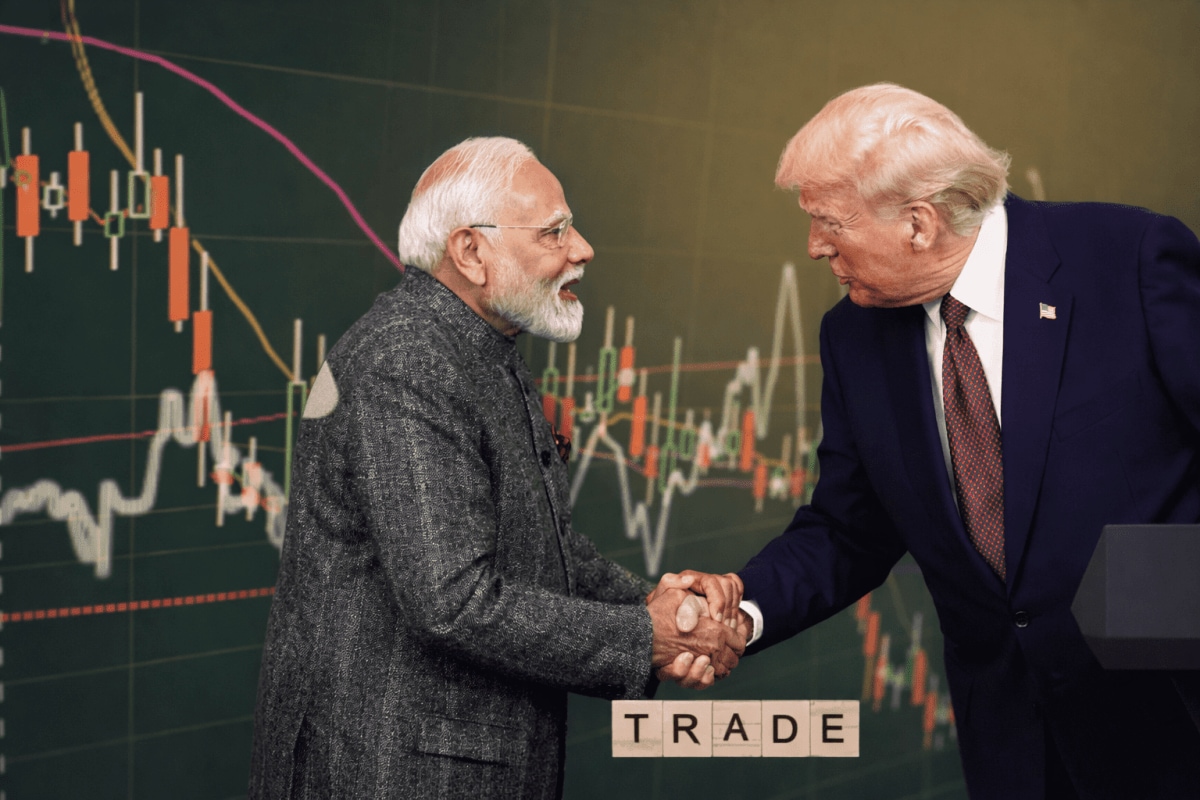
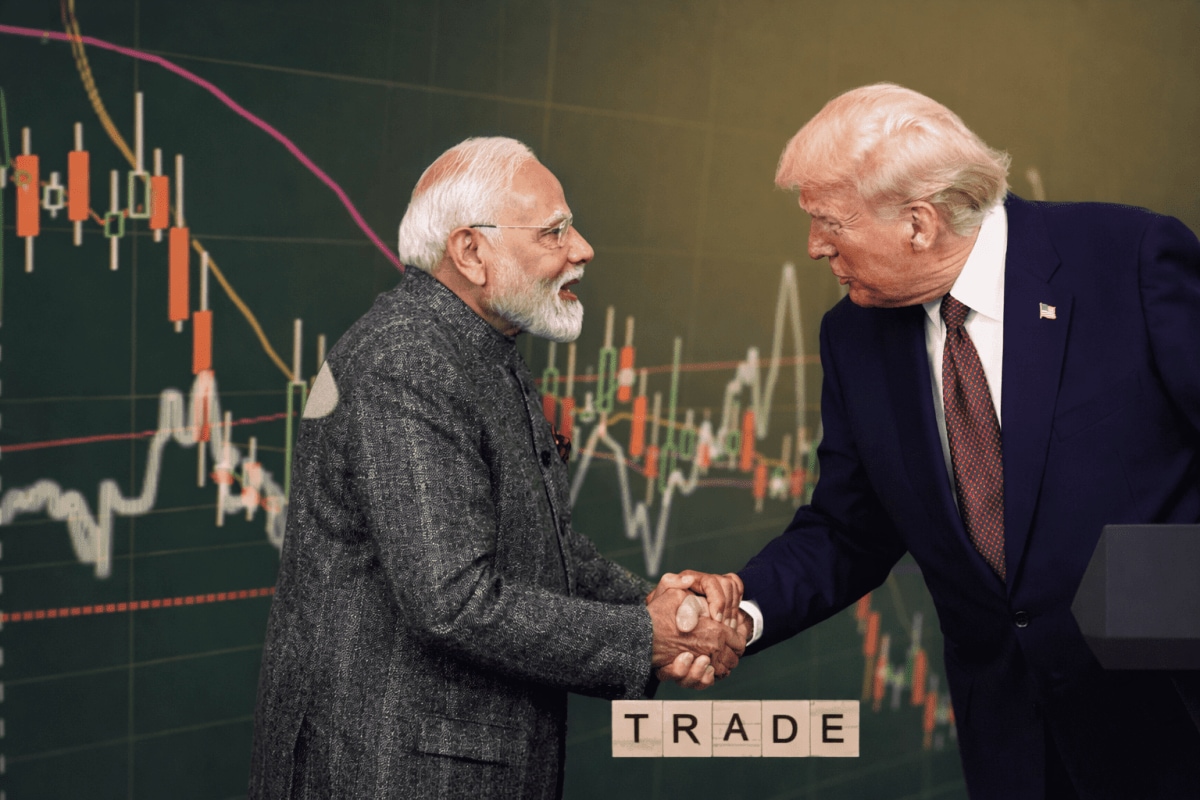
Both countries have agreed to promptly implement the interim framework and work towards finalising a comprehensive bilateral trade agreement. The roadmap aims to create a balanced, mutually beneficial trade architecture aligned with the broader strategic partnership between New Delhi and Washington.
Prime Minister Narendra Modi said the framework strengthens the Make in India initiative by opening new global opportunities for farmers, MSMEs, entrepreneurs, and young innovators. U.S. officials echoed the sentiment, describing the deal as a milestone in economic diplomacy.