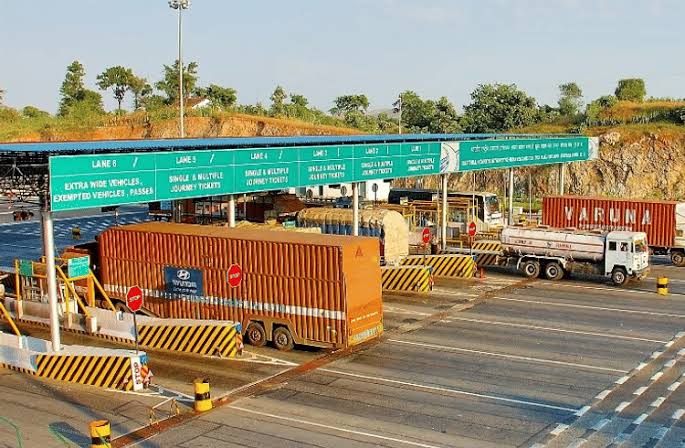
The new rules introduce the term ‘unpaid user fee’, referring to cases where a vehicle passes through a toll plaza using the ETC system but the fee remains unsettled, as per the National Highways Act, 1956. These amendments make clearance of pending fees a prerequisite for key vehicle-related services. Owners seeking NOC for vehicle transfer across states, or renewal and generation of Certificates of Fitness, must first clear any outstanding toll dues. Similarly, commercial vehicles applying for National Permits cannot have pending user fees.
 Form 28 Updated for Transparency and Digital Processes
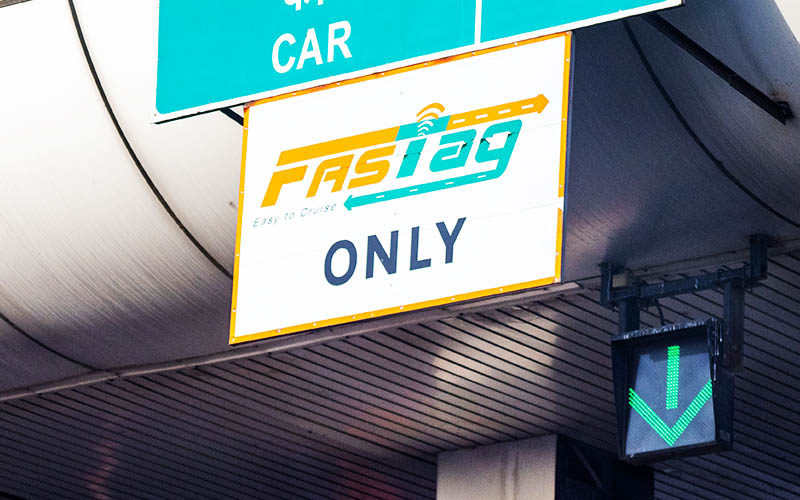
The amendments have updated Form 28, the application for an NOC, requiring applicants to disclose pending toll fee demands against the vehicle. The form can now be submitted electronically through designated online portals, enhancing transparency and streamlining compliance. This digital integration also aligns with the upcoming Multi-Lane Free Flow (MLFF) system, which enables barrier-less tolling across National Highways.
Published after public consultation, these amendments followed draft rules notified on July 11, 2025, with feedback collected from stakeholders and the general public. Careful consideration of suggestions ensured the finalized rules balance enforcement with user convenience.
Impact on NHAI and National Highway Development
The amended CMV rules support the National Highways Authority of India (NHAI) in promoting transparent and technology-driven tolling. By linking vehicle services to unpaid user fees, the rules incentivize timely payment and reduce revenue leakages, enabling sustained highway development and maintenance. Officials emphasize that these steps will improve accountability, strengthen ETC adoption, and encourage the use of digital processes for all National Highway users.
The Ministry of Road Transport and Highways (MoRTH) has indicated that this initiative is part of broader efforts to modernize highway operations, reduce congestion, and implement smart tolling across India.