

In a significant diplomatic effort, an Indian parliamentary delegation currently visiting Japan made a strong and heartfelt case against terrorism, while firmly countering Pakistan’s recurring false narratives. The delegation, led by JDU MP Sanjay Jha, arrived in Tokyo as part of “Operation Sindoor,” a symbolic initiative launched in response to the harrowing terror attack in Pahalgam. The visit underscores India’s unwavering commitment to a zero-tolerance policy on terrorism and its global outreach to garner support against the scourge.
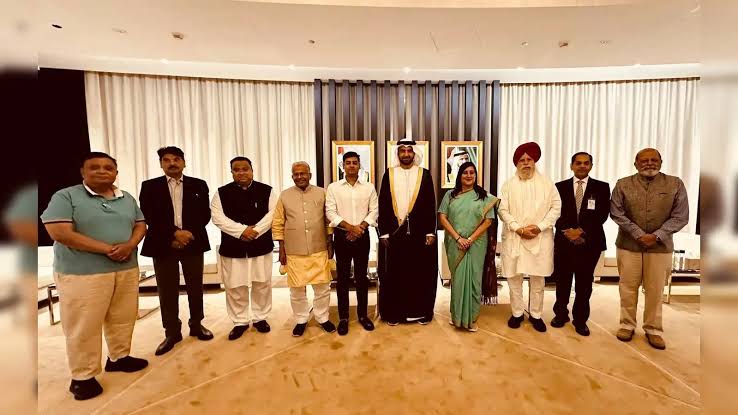

The day began on a solemn note with the delegation paying tribute to the bust of Mahatma Gandhi, a fitting gesture honoring the spirit of peace and non-violence. This was followed by a series of high-level meetings with Japanese government officials, ruling party members, and prominent think tanks. During these interactions, Japan’s Foreign Minister Takeshi Iwaya expressed his nation’s solidarity with India, affirming, “Japan stands with India in this fight against terrorism.”
Delegation chairperson Sanjay Jha did not mince words as he detailed India’s firm stance against terrorism and the destructive narratives spun by Pakistan, especially after the Pahalgam attack. The delegation explained how Pakistan not only uses nuclear rhetoric to create fear but also wages cyber warfare through the spread of misinformation and fake news.
A particularly touching moment came during an inquiry from a Japanese intellectual about the name “Operation Sindoor.” BJP MP Aparajita Sarangi offered a moving explanation: the operation was named to honor the memory of women who lost their husbands in the terror attack. In Indian tradition, ‘sindoor’ (vermilion) symbolizes a woman’s marital status. The loss of male family members left many women widowed, and the name of the mission is a solemn tribute to their sacrifice and resilience.
Former External Affairs Minister Salman Khurshid also provided clarity during discussions, particularly when questioned about India’s stance on the Russia-Ukraine conflict. He emphasized that India’s consistent message has been that war is not a solution, highlighting the nation’s principled and peace-driven approach to global diplomacy.
The delegation’s visit to Japan is only the beginning of a broader mission. Over the coming weeks, they will travel to other key nations including Malaysia, Indonesia, Korea, and Singapore—countries with diverse populations and growing geopolitical influence. The team includes leaders from across the political spectrum: Salman Khurshid, Aparajita Sarangi, Left MP John Brittas, TMC MP Abhishek Banerjee, and others, including former ambassador Mohan Kumar. Their united front demonstrates India’s cross-party commitment to combating terrorism and upholding democratic values.
Their journey is not just a diplomatic tour—it is a testament to India’s resolve, its empathy for victims of terror, and its dedication to building a global consensus for peace and security. The delegation is expected to return to India by June 3, after completing a mission that resonates not just with policy, but with profound human compassion.