
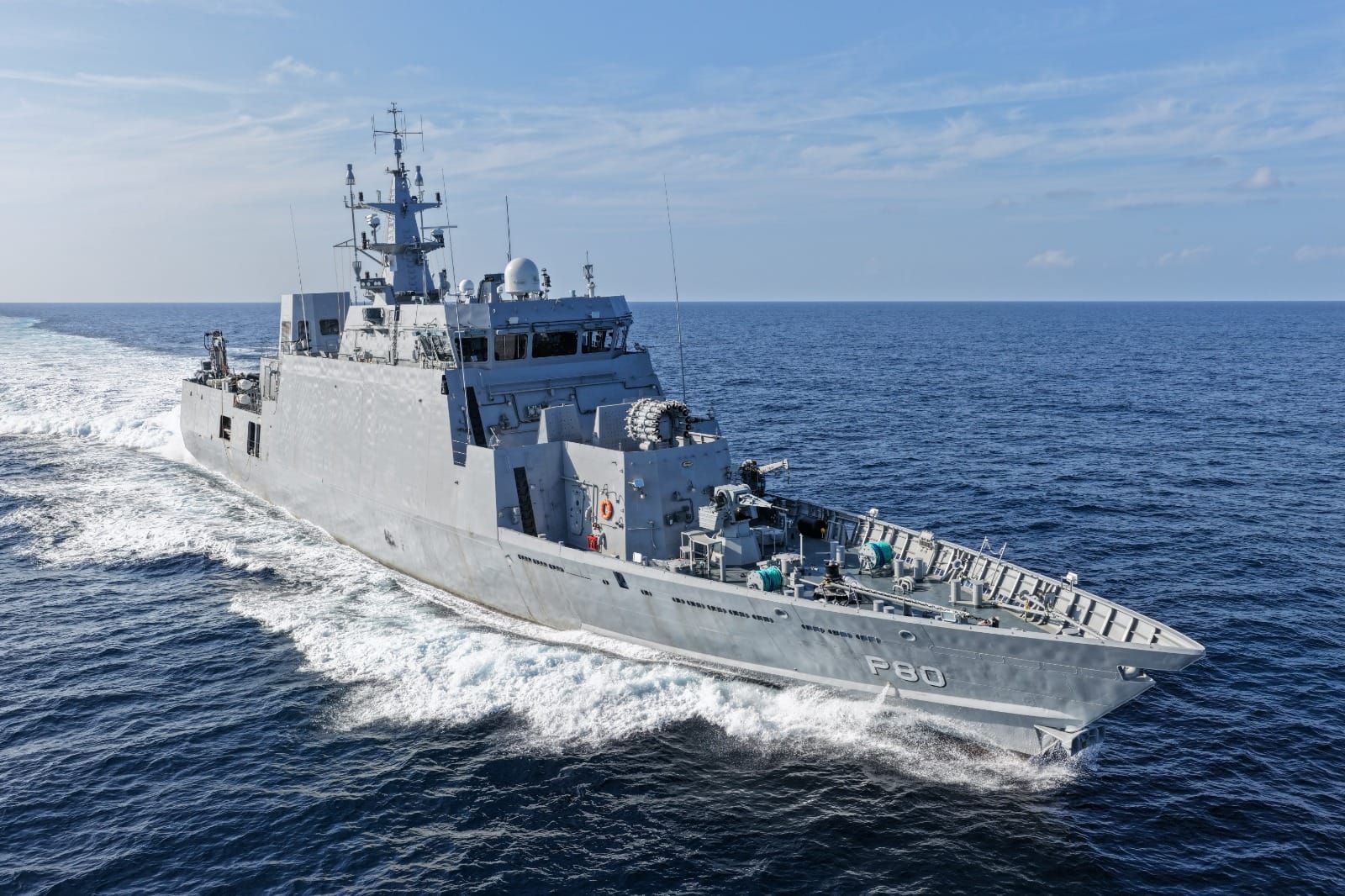
Indigenous design tailored for littoral dominance
Built at Cochin Shipyard, Kochi, INS Mahe features a compact hull and systems optimised for shallow-water anti-submarine operations. The craft blends stealth, mobility and focused firepower to detect, track and neutralise submarine threats in littoral waters and to conduct coastal surveillance and maritime security missions.
With more than 80% indigenous content, the Mahe-class exemplifies India’s growing capability in warship design, systems integration and domestic supply-chain maturity.

The ASW-SWC is designed primarily for anti-submarine warfare in shallow seas, a domain increasingly important to safeguard coastal approaches, ports and maritime trade lanes. Its sensor suite and weapon fit enable modern anti-submarine tactics such as active and passive sonar search, torpedo or depth charge employment, and coordinated operations with larger fleet units and maritime patrol aircraft.
In peacetime, the ship will augment coastal patrol, search-and-rescue, and maritime interdiction tasks—enhancing persistent surveillance along India’s littoral belt.
Symbolism and local heritage
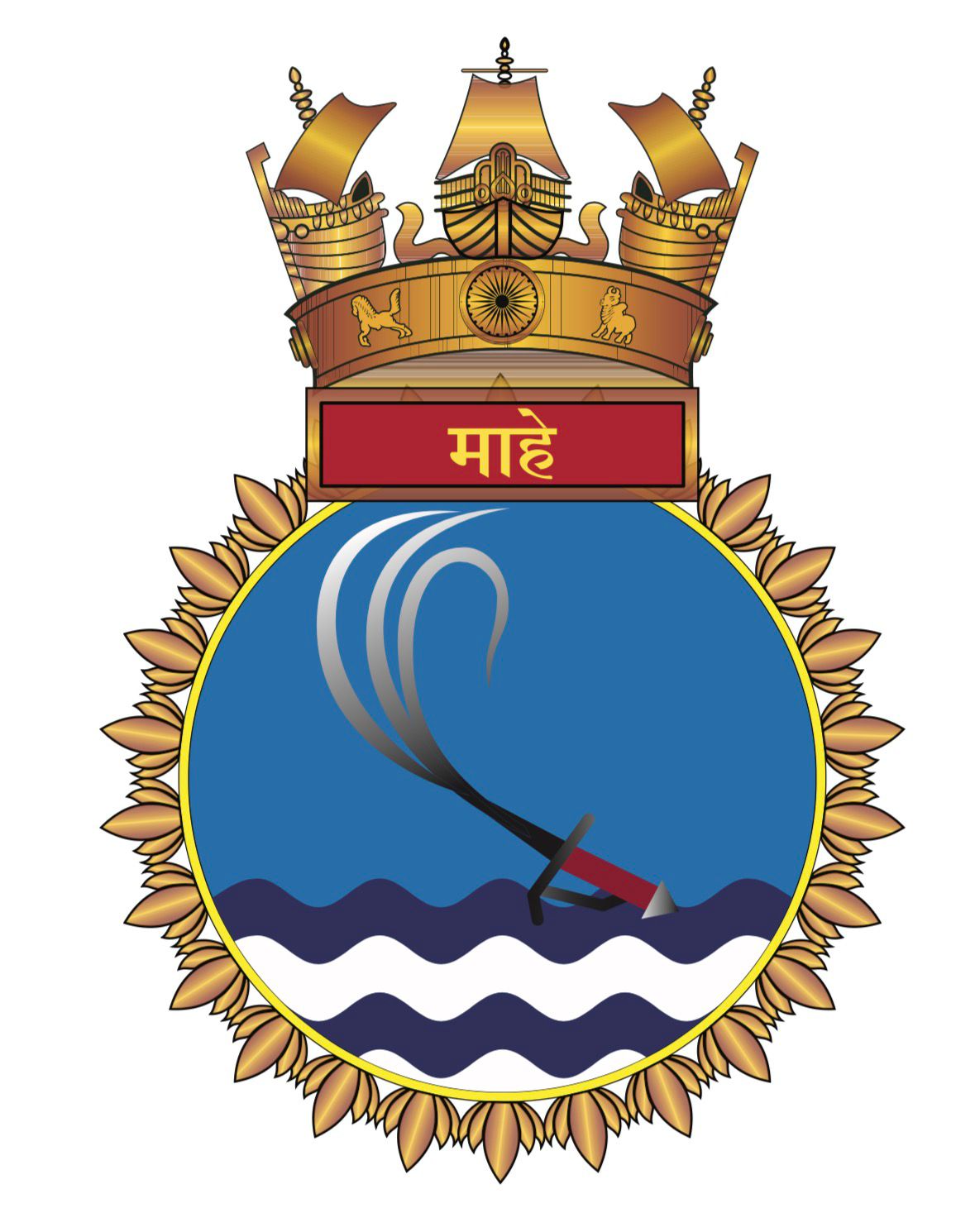
Named after the historic coastal town of Mahe on the Malabar coast, the ship carries a crest depicting the Urumi, the flexible sword of Kalaripayattu. The emblem underlines agility and precision—traits emphasised in the vessel’s role and handling characteristics.
Strategic context and Aatmanirbhar Bharat
The commissioning of INS Mahe feeds into the broader strategic push for indigenisation under Aatmanirbhar Bharat. By sourcing major equipment and systems domestically, the Navy aims to reduce external dependencies and boost national industrial capability. Cochin Shipyard’s role in producing the Mahe-class reinforces Kerala’s legacy as a hub of maritime manufacturing.
CSL’s delivery of the lead vessel also sets the stage for subsequent units in the class, with a total of eight ASW-SWC planned for the Indian Navy.
Programme milestones and outlook
The Mahe-class programme follows rigorous design trials, harbor tests and sea trials to validate hull performance, machinery reliability and sensor-weapon integration. Successful completion of these trials prior to commissioning signals operational readiness for the ship’s assigned roles.
As remaining hulls are completed, the Navy will progressively integrate them into task groups responsible for coastal defence and littoral anti-submarine warfare, improving layered maritime security in the near seas.
Industry and naval stakeholders
The Mahe commissioning highlights collaboration between the Indian Navy, Cochin Shipyard Limited and domestic suppliers. Such projects create skilled jobs, spur technology transfer and strengthen the naval industrial ecosystem.
For official details, see the Press Information Bureau release and Cochin Shipyard Limited’s project pages.
What commissioning means operationally
Commissioning formally places the ship in the service of the Indian Navy, after which it will receive its complement of sailors and officers and enter unit-level training cycles. Commissioned ships proceed from trials to operational deployment, where they contribute to maritime domain awareness and deterrence in their assigned theatres.