

Lead: Indian Railways has crossed the 1-billion-tonne freight loading mark in the current financial year, recording 1,020 million tonnes (MT) of cumulative loading as of 19 November. The milestone — fuelled by strong coal, iron ore, cement and container traffic — underscores rail freight’s growing role in India’s logistics and decarbonisation strategy.
Broad-based growth across commodities
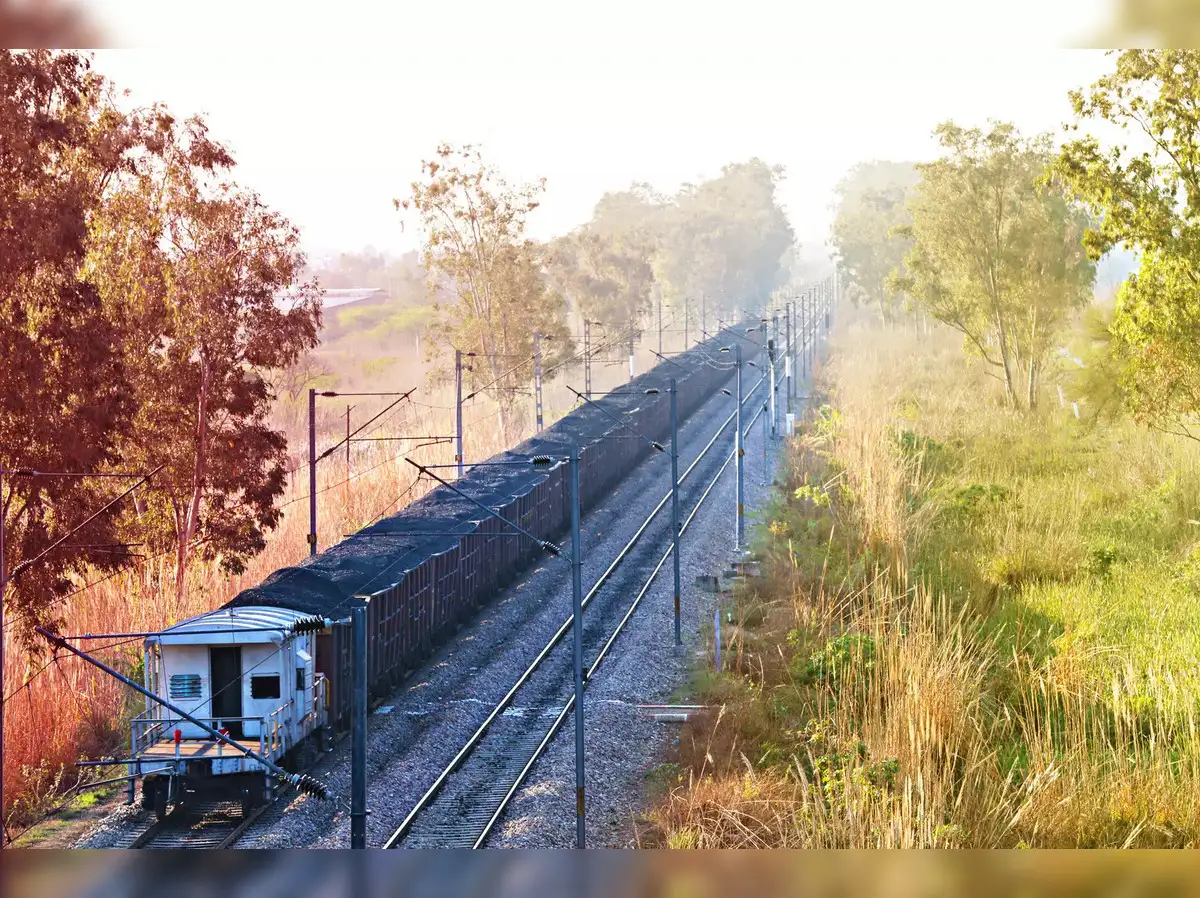
Coal remains the largest contributor, accounting for roughly 505 MT of the total, followed by iron ore (115 MT), cement (92 MT) and container traffic (59 MT). Other notable contributors include pig iron and finished steel (47 MT), fertilisers (42 MT), mineral oil (32 MT) and foodgrains (30 MT). These figures reflect both sustained industrial demand and improved operational throughput on the rail network.

Daily freight loading has averaged around 4.4 million tonnes (MT), slightly higher than last year’s 4.2 MT figure. Between April and October, cumulative loading stood at 935.1 MT compared with 906.9 MT in the same period a year earlier — a clear sign of year-on-year growth. Railways officials attribute this to capacity enhancements, schedule reliability and policy measures aimed at modal shift.
Policy moves to modernise bulk cargo movement
The Railways has rolled out targeted reforms — including a Policy for Bulk Cement Terminals and rationalised rail rates for containerised cement — to ease the movement of heavy commodities. These measures aim to increase bulk handling capacity, reduce transit times and lower logistics costs for manufacturers and consumers alike. Analysts say such reforms make rail a more competitive option versus road transport for high-volume cargo.
Environmental and economic benefits
Shifting bulk cargo from road to rail lowers carbon emissions, eases highway congestion and reduces freight costs through economies of scale. With India pursuing Net Zero targets, the modal shift helps cut greenhouse gases and supports greener supply chains for sectors such as steel, cement and minerals. Railways’ electrification drive and investments in dedicated freight corridors further enhance the environmental case for rail freight.
Infrastructure upgrades and service quality
Improvements in terminal handling, signalling, real-time tracking and rake availability have strengthened throughput. The Dedicated Freight Corridor (DFC) programme and new goods terminals are increasingly enabling faster, heavier trains and double-stack container operations on key routes, trimming transit times and operating costs for shippers. Continued investment in wagons, locomotives and last-mile connectivity will be critical to sustaining growth.
Implications for industry and consumers
Reliable rail freight reduces logistics unpredictability for industries and can lower input costs, which, in turn, benefits end consumers. For sectors with heavy tonnage requirements — such as power, steel, cement and fertilisers — cheaper and faster rail links can improve competitiveness and support broader manufacturing growth. MSMEs also stand to gain from more affordable bulk transport options.
Outlook and challenges
Railways will aim to convert this momentum into lasting modal share gains by enhancing capacity, improving terminal efficiency and offering competitive tariffs. Challenges remain: last-mile road connectivity, capacity constraints at select terminals and coordination with port and industrial stakeholders need continuous focus. How quickly Railways can scale infrastructure and sustain reliability will determine future freight trajectories.
Readers can view the official press release for full statistics and related details on the Press Information Bureau and the Ministry of Railways websites